



Aceh Province
A Comprehensive Look at Aceh Province


The Jewel of the West: A Comprehensive Look at Aceh Province
Aceh, officially the Special Region of Aceh (Nanggroe Aceh Darussalam), is the westernmost province of Indonesia, occupying the northern tip of Sumatra. Known for its fierce independence, profound Islamic influence, and incredible natural beauty, Aceh is a region with a deep and complex history.
🏛️Capital City
Capital City: Banda Aceh. Banda Aceh is the cultural, historical, and governmental center of the province, located at the northern tip of Sumatra near the Andaman Sea.
Ethnic Groups: The dominant ethnic group is the Acehnese, who primarily inhabit the coastal regions. Other significant groups include the Gayo and Alas (found in the central highlands), and the Tamiang and Kluet.
Religion: Aceh is overwhelmingly Sunni Muslim. It is the only province in Indonesia to formally implement Sharia Law (Islamic Law) as part of its Special Status, which governs civil and social life.
🌎Geography and Climate
Location: Aceh is located at the northern tip of Sumatra Island. Its strategic position at the entrance to the Malacca Strait made it a crucial hub for historical sea trade.
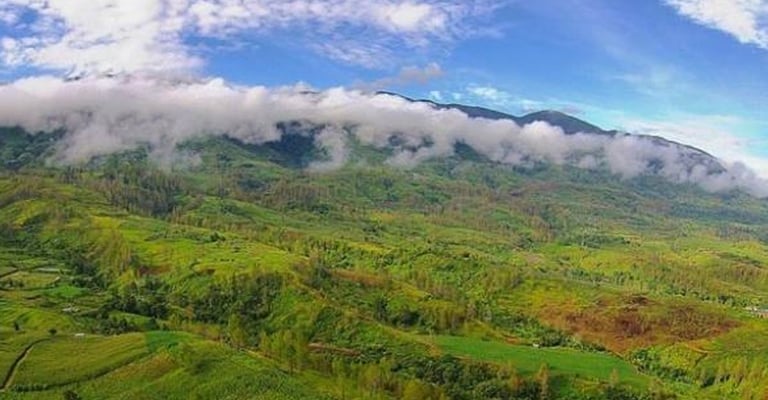
Geographical Features: The province is characterized by long coastlines, the Barisan Mountains running through its spine (home to Mount Leuser National Park), and fertile lowlands. The region is highly seismic and prone to earthquakes and tsunamis.
Climate: It has a tropical rainforest climate.
👥Demographics and Population
As of the latest estimates, the population of Aceh is approximately 5.4 million people.
📜History: A Legacy of Sovereignty and Faith
The history of Aceh is dominated by two major themes: its role as a powerful Islamic Sultanate and its long struggle for self-determination.
The Sultanate of Aceh (15th–20th Century): The Sultanate of Aceh was a major political and economic power in Southeast Asia. At its zenith in the 17th century under Sultan Iskandar Muda, it controlled much of the pepper trade and was a center of Islamic scholarship. It successfully resisted Portuguese and Dutch encroachment for centuries.
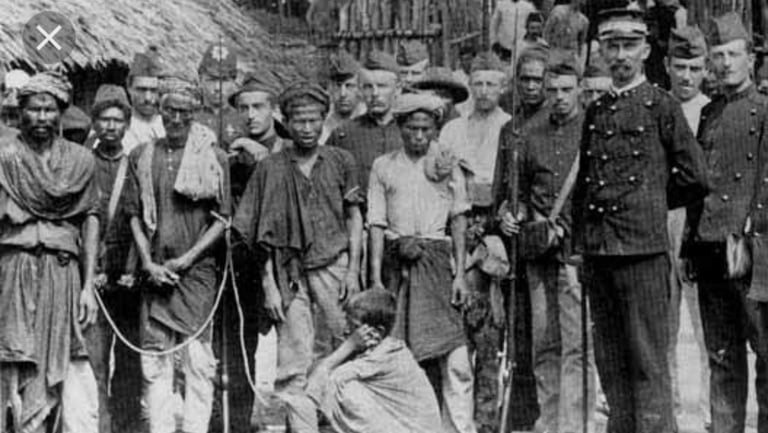
The Aceh War (1873–1913): This was one of the longest and bloodiest wars in Dutch colonial history. The Acehnese people, driven by their Islamic faith and desire for independence, mounted a tenacious resistance that eventually led the Dutch to adopt a policy of limited indirect rule.
Post-Independence and Conflict: After Indonesia's independence in 1945, Aceh was granted Special Status. However, grievances over resource sharing and cultural autonomy led to a long-running separatist insurgency by the Free Aceh Movement (GAM).
The 2004 Tsunami: On December 26, 2004, a massive earthquake and subsequent tsunami devastated the Acehnese coast, causing unprecedented loss of life and infrastructure. This tragedy, however, led to a peace agreement (Helsinki Accord) between the Indonesian government and GAM in 2005, ushering in an era of peace and reconstruction.
🎨Culture, Customs, and Traditional Arts
Acehnese culture is deeply intertwined with its Islamic identity.
Customs and Adat (Tradition):
Islamic Influence: Public life is guided by Islamic principles, including dress code and social conduct.
Marriage (Peusijuek): The traditional Acehnese wedding ceremony is elaborate, often incorporating the Peusijuek (blessing) ritual, where rice is sprinkled over the couple's heads by religious elders.
Traditional Arts:
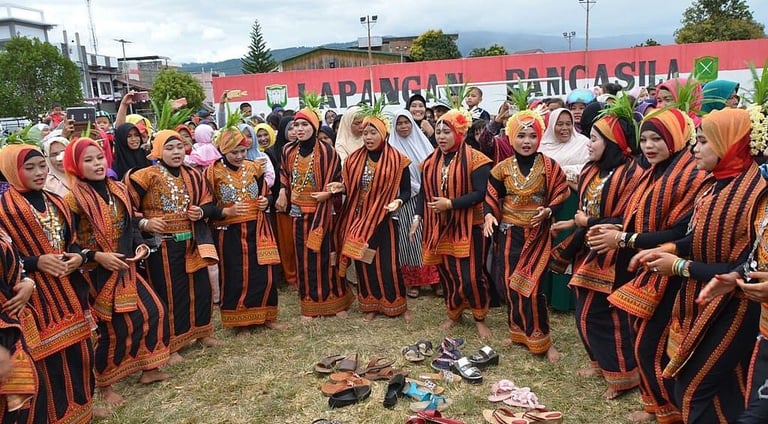
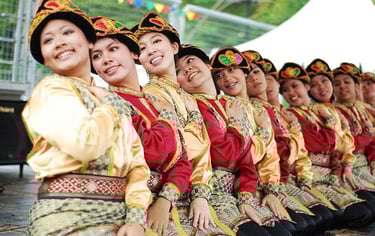
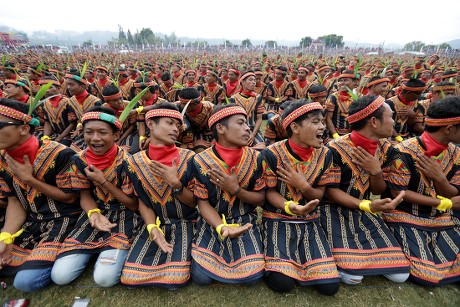
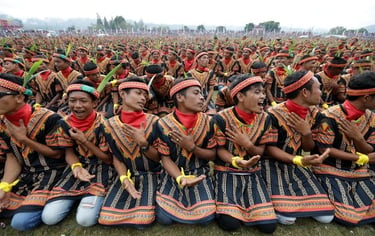
Saman Dance (The Dance of a Thousand Hands): Originating from the Gayo people, the Saman dance is a UNESCO Intangible Cultural Heritage. Performed by an odd number of seated men, it involves rapid, synchronized movements, clapping, and chest-patting, creating complex percussive rhythms.
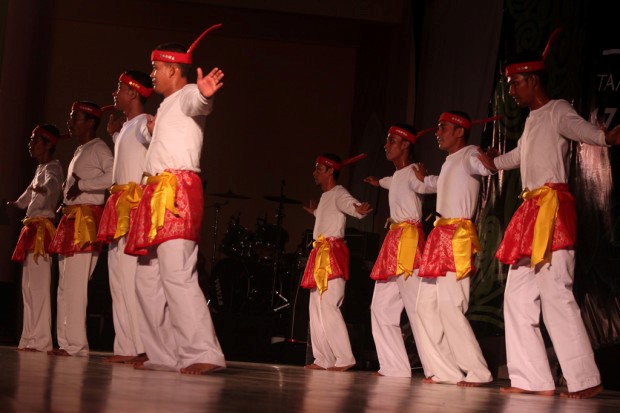
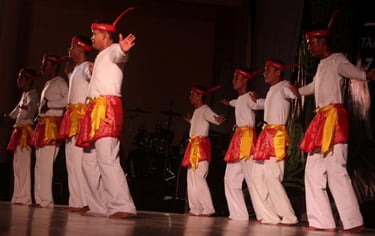
Seudati Dance: A powerful, non-musical-instrument-backed dance that was historically used to boost the morale of Acehnese soldiers.

🍲Distinctive Cuisine
Acehnese food is known for its strong spices, use of coconut milk, and Indian/Middle Eastern culinary influences.
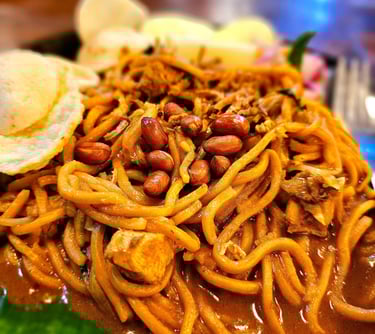
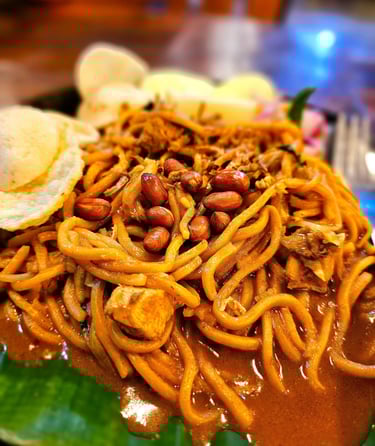
Mie Aceh: The most famous dish—thick, yellow noodles served in a rich, spicy curry-like broth with beef, seafood, or goat, and topped with fried shallots and crackers.
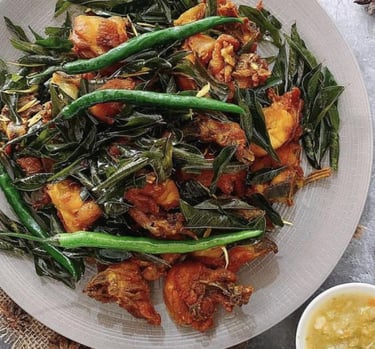
Ayam Tangkap (Captured Chicken): Fried chicken pieces deep-fried with copious amounts of aromatic herbs (curry leaves, pandan leaves, green chili) until the chicken is "hidden" by the herbs.
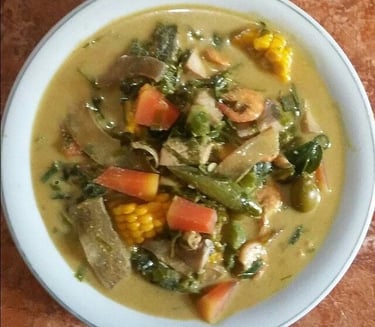
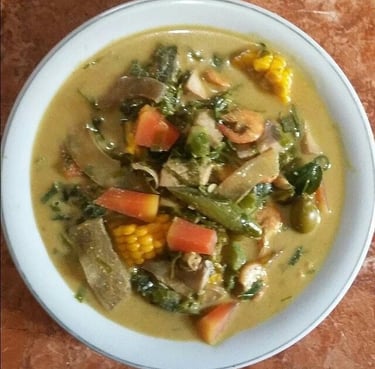
Kuah Pliek U: A unique and complex curry dish made from Pliek U (fermented coconut residue), mixed with various vegetables like young jackfruit, eggplants, and bean sprouts.
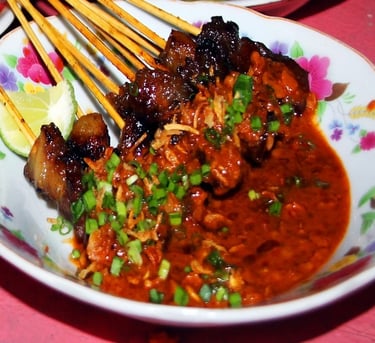
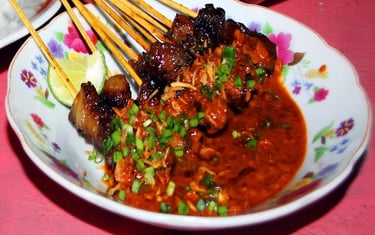
Sate Matang: A celebrated satay variation originating from the town of Matang in Aceh. The beef skewers are marinated in a thick spice blend, grilled, and then served not with peanut sauce, but with two distinctive accompaniments: a rich, savory beef soup/broth, and a separate portion of spicy raw chili sambal.
🏠Traditional House : Rumah Krong Bade
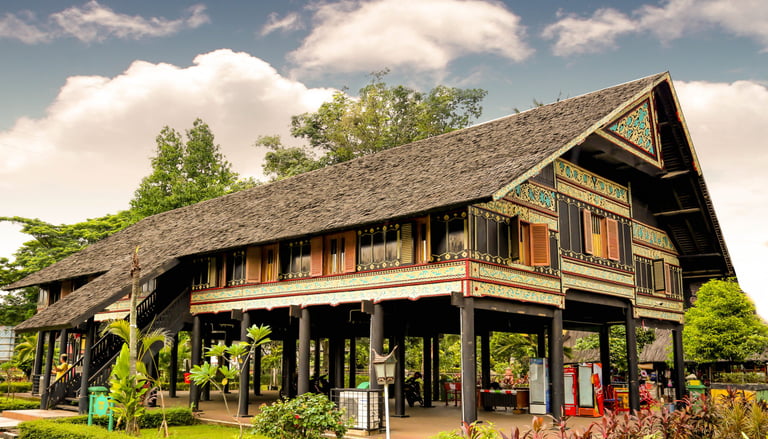
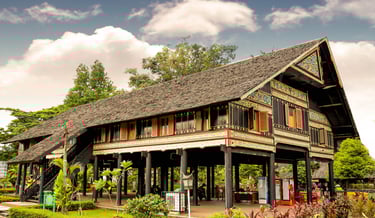
Rumah Krong Bade (or Rumah Aceh) This stilt house is rectangular and built on strong wooden pillars, typically 2.5 to 3 meters above the ground, to protect against floods and wild animals. It has multiple sections, usually an odd number (three, five, or seven), signifying Islamic philosophy. The roof is made of sago palm leaves or thatch, and the front entrance features a staircase (often retractable) and a distinctive wide porch.
👘Traditional Clothing : Ulee Balang
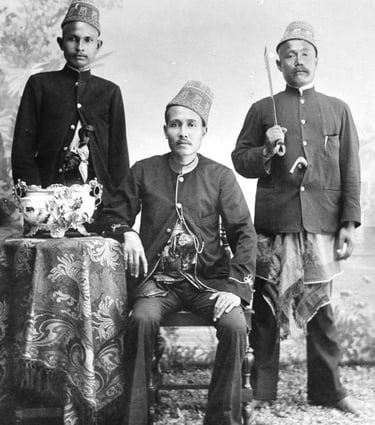
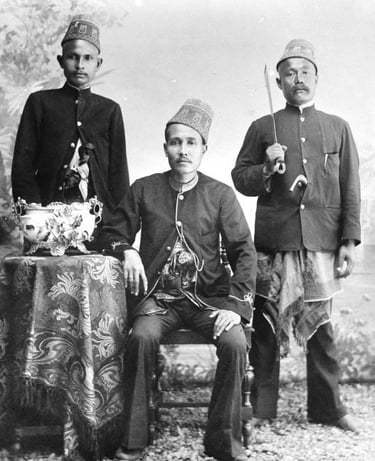
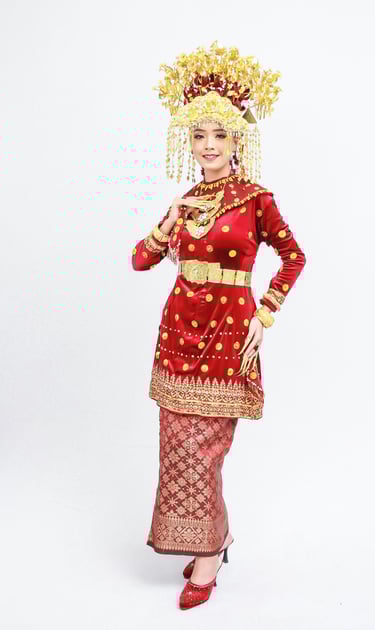
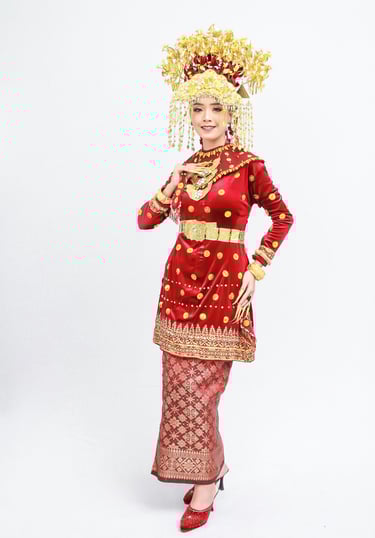
Traditional Attire (Baju Adat) Ulee BalangThis was historically the attire worn by the Ulee Balang (the Acehnese aristocrats/chieftains who governed regions). It is now used as formal and wedding attire.
Men's Attire Linto Baro Consists of a black long-sleeved shirt called Baju Meukasah (made of silk or cotton), black trousers (celana), and an embroidered waist cloth called Ija Lamgugap or Ija Sangkhat. A traditional dagger, the Rencong, is worn on the belt, and the outfit is completed with a distinctive head covering called a Meukeutop.
Women's Attire Dara Baro Consists of a long-sleeved blouse called Baju Kurung (often made of silk or velvet), paired with a beautifully woven sarong or skirt (kain sarung). The outfit is heavily adorned with exquisite gold jewelry, including large necklaces, earrings, bracelets, and a crown (patam dhoe), reflecting prosperity and status.
🏞️Famous Tourist Attractions
Aceh's tourism is a mix of historical, cultural, and natural wonders.
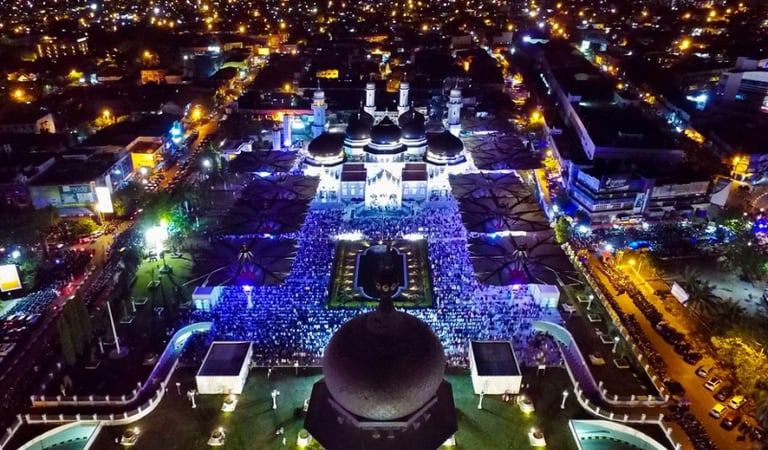
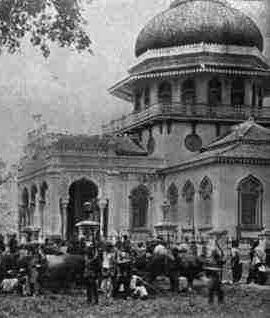
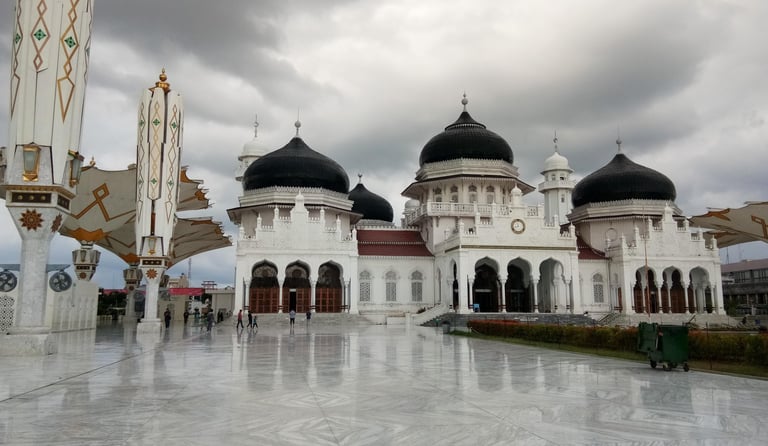
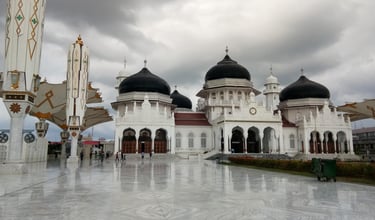
Baiturrahman Grand Mosque (Banda Aceh): A spectacular white mosque with black domes, it is a symbol of Acehnese Islamic pride. It famously survived the 2004 Tsunami, serving as a sanctuary.
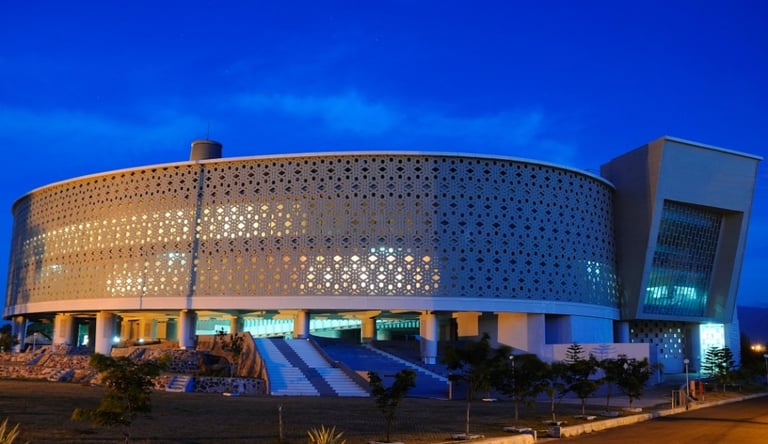
Tsunami Museum (Banda Aceh): Designed by architect Ridwan Kamil, this museum serves as a poignant memorial to the victims of the 2004 disaster, documenting the event and educating visitors on disaster preparedness.
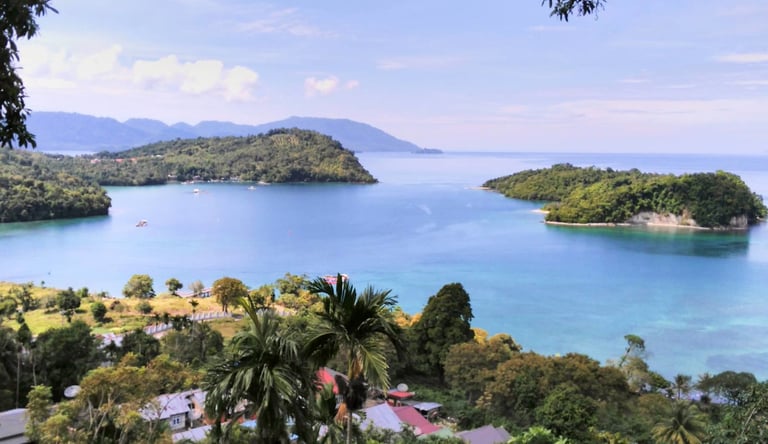
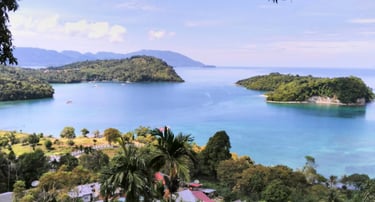
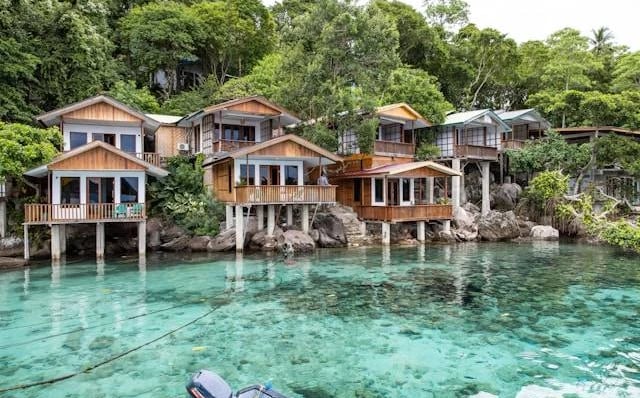
Weh Island (Pulau Weh): Located north of Banda Aceh, this island is a paradise for marine enthusiasts, famous for its world-class snorkeling and diving, particularly at Iboih Beach and the 'Zero Kilometer' monument of Indonesia.
Gunung Leuser National Park (partially in Aceh): A UNESCO World Heritage Site, this park is one of the most biodiverse conservation areas in the world and is the last place on Earth where rhinos, tigers, elephants, and orangutans coexist.
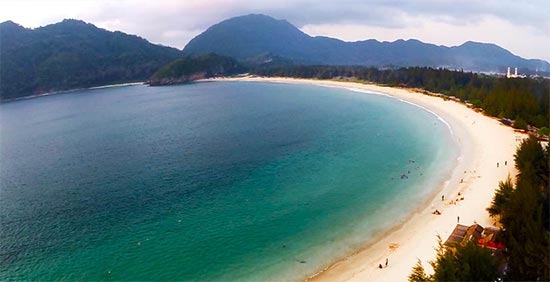
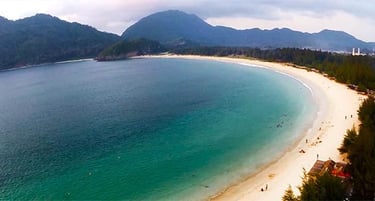
Lampuuk Beach: A beautiful stretch of white sand beach near Banda Aceh, known for its surfing and fresh seafood stalls.
✈️Transportation Infrastructure
Aceh's infrastructure reflects its regional isolation and its strategic importance at the northern tip of Sumatra, relying heavily on air and sea connections.
Airport (Bandar Udara):
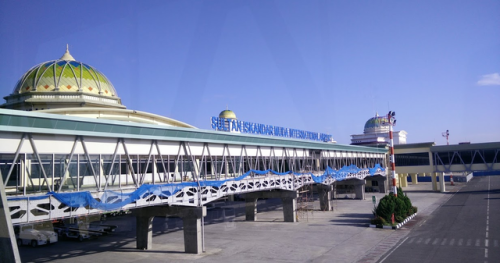
Sultan Iskandar Muda International Airport (BTJ): Located near Banda Aceh, this is the main hub, serving domestic flights to major Indonesian cities (like Jakarta and Medan) and limited international flights (notably to Malaysia and Saudi Arabia for Hajj/Umrah). It is a vital link connecting Aceh to the outside world.
Port (Pelabuhan):
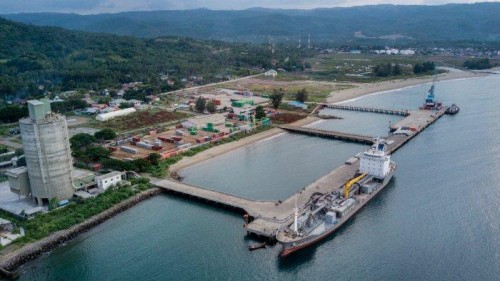
Malahayati Port: Located near Banda Aceh, this is the primary commercial port handling general cargo and container traffic.
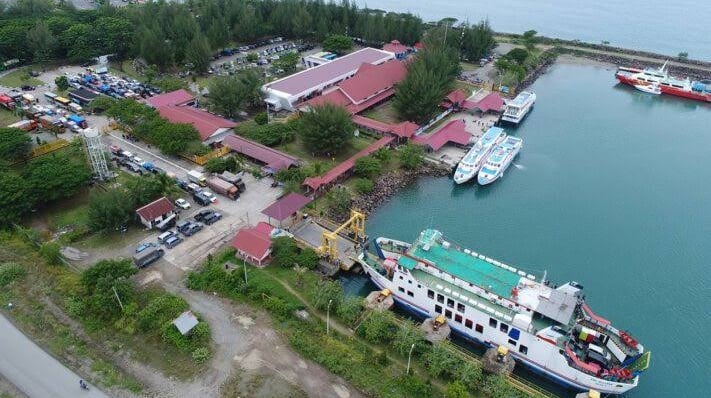
Ulee Lheue Port: A crucial ferry terminal near Banda Aceh, serving fast and slow ferry services to Weh Island (Pulau Weh), the region's main tourist destination.
Sabang Port (on Weh Island): Important for deep-sea shipping and potentially for international cruise tourism, capitalizing on its "free port" status.
Railroad (Stasiun Kereta Api):
Aceh Province currently does not have any active passenger train services connected to the national Indonesian railway network. Transportation within the province is predominantly handled by an extensive road and highway system.

Aceh stands as a resilient and unique region—a testament to its past struggles, deeply rooted in its Islamic identity, and now rebuilt into a fascinating destination that offers both historical contemplation and stunning natural exploration.
Follow us to explore Indonesia with expert travel guidance
©PT.Sinar Pesona Travelindo 2025. All rights reserved.