



East Kalimantan Province
A Comprehensive Look at East Kalimantan Province
🏭East Kalimantan Province : The Resource Powerhouse and Future Capital
East Kalimantan (Kaltim) is a dynamic and resource-rich province on the eastern coast of Borneo. Historically known for its vast wealth in timber, oil, and coal, Kaltim is now gaining global attention as the site of Indonesia's future capital city, Nusantara (IKN). The province blends the rich heritage of coastal Malay Sultanates with the intricate culture of the interior Dayak tribes.
🏛️Capital City and Geographical Conditions
Capital City: Samarinda. Located on the Mahakam River, Samarinda is the administrative capital and a major trading hub, historically centered on the timber industry.
(Note: Balikpapan is the largest commercial and industrial city, and Nusantara (IKN) is the designated future national capital, currently under construction).
Geographical Conditions: The topography is highly diverse:
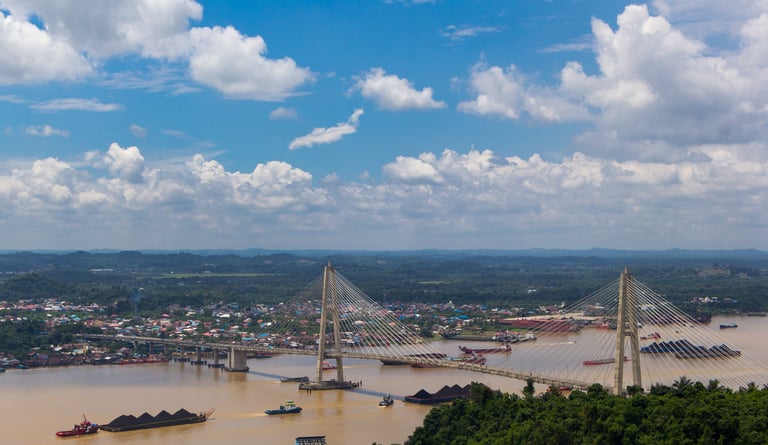
Mahakam River: The primary economic and geographic artery, flowing through the central part of the province.
Coastal Areas: Feature vast mangrove forests, estuaries, and deep-sea ports supporting the oil and gas industries.
Interior: Characterized by rolling hills and dense rainforests, traditional home to many Dayak sub-tribes.
Climate: Equatorial tropical climate, with high rainfall and consistent humidity.
👥Demographics and Customs
Population: The population of East Kalimantan is approximately 3.8 million people.
Ethnic Groups: The province is highly diverse due to historical migration:
Kutai/Pasir/Berau Malay: Indigenous groups historically linked to the coastal Sultanates.
Dayak: Various sub-groups (Kenyah, Bahau, Benuaq) traditionally inhabit the interior along the Mahakam River and its tributaries, known for their unique languages and traditional beliefs.
Immigrant Groups: Large and influential communities of Javanese, Bugis, and Banjarese are involved in trade and industry.
Customs (Adat Istiadat): Culture is a mix of Islamic Malay traditions (on the coast) and the spiritual, forest-based Adat of the Dayak (in the interior). Traditional art and rituals are often used to celebrate harvests and mark transitions in life.
📜History: The Kingdom of Kutai and Resource Wealth
East Kalimantan holds the distinction of having the oldest known Hindu kingdom in Indonesia and a long history of resource exploitation.
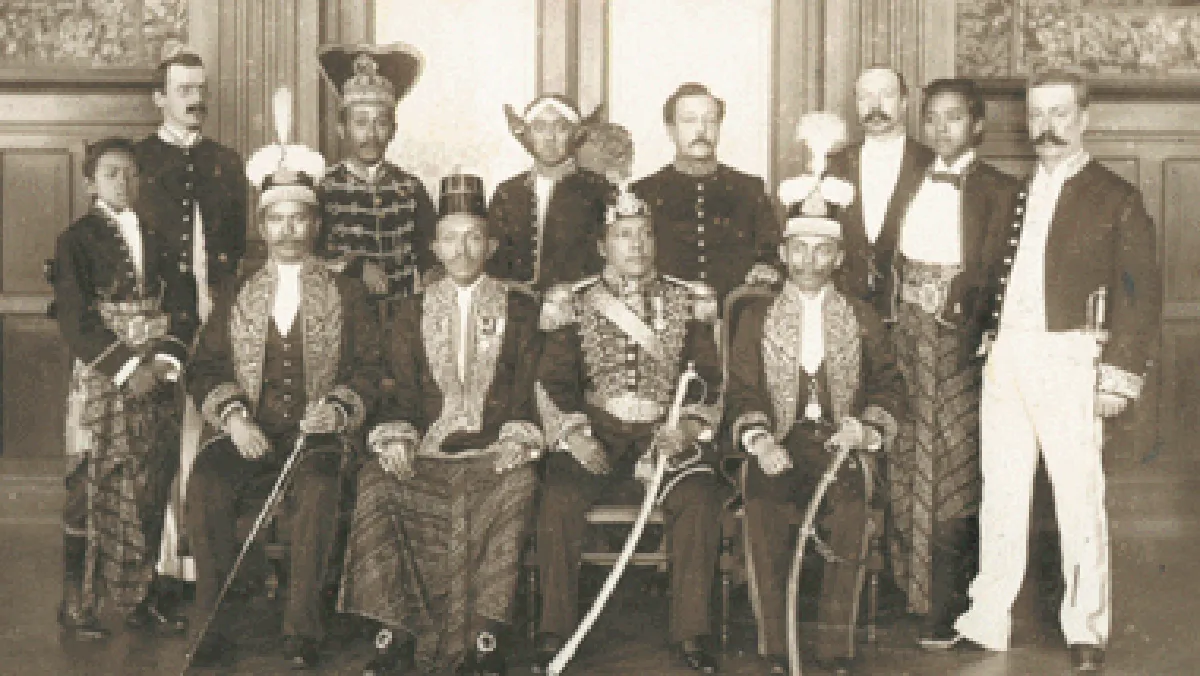
Kutai Kingdom (c. 4th Century): The Kutai Martadipura Kingdom is the earliest known Hindu kingdom in Indonesia, evidenced by the Yupa inscriptions. The later Kutai Kartanegara Sultanate dominated the region until the Dutch colonial era.
Resource Boom: The discovery of large reserves of oil, gas, and coal in the late 19th and early 20th centuries transformed the coast, leading to the rapid development of cities like Balikpapan and attracting significant migration.
Future Capital (IKN Nusantara): In 2022, the government officially established the location for the new capital city, IKN Nusantara, in the Penajam Paser Utara and Kutai Kartanegara Regencies, marking a profound shift in the province's national importance.
🎨Culture and Traditional Arts
Kaltim's culture is noted for the refined arts of the Sultanate courts and the intricate, natural artistry of the interior tribes.
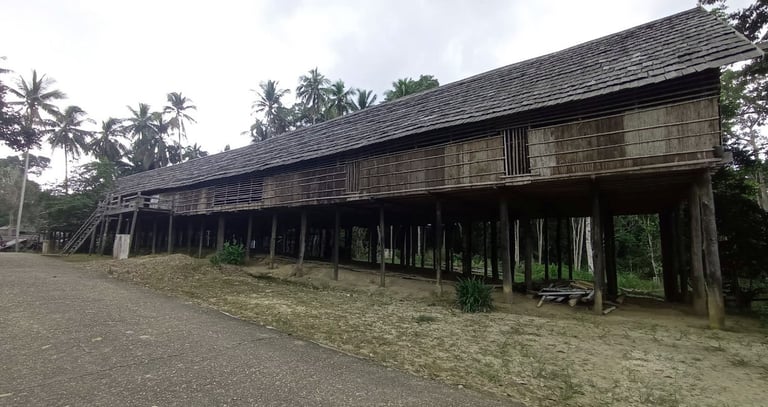
Lamin (Longhouse): The traditional communal house of the Dayak tribes, known for its sheer size and elaborate exterior carvings.
Seni Ukir (Wood Carving): Dayak carving is famous for its intricate, three-dimensional designs on totem poles, shields (Talawang), and furniture, often depicting mythical creatures like the Aso (dog-dragon).
Tari Gong (Gong Dance): A serene and graceful Dayak dance performed by women, often carrying feathers, symbolizing the gentle movements of the Enggang (Hornbill) bird.
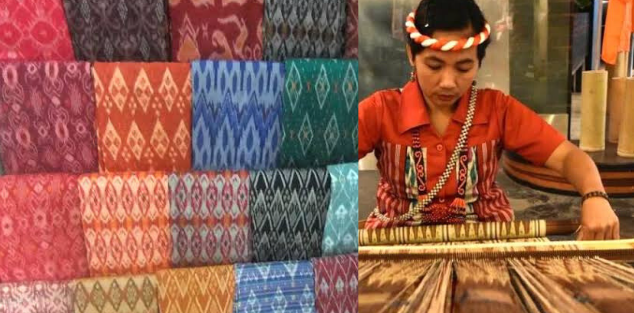
Kain Tenun Doyo: A traditional fabric woven from the fibers of the Doyo leaf, a unique plant found only in the region, known for its texture and earthy colors.
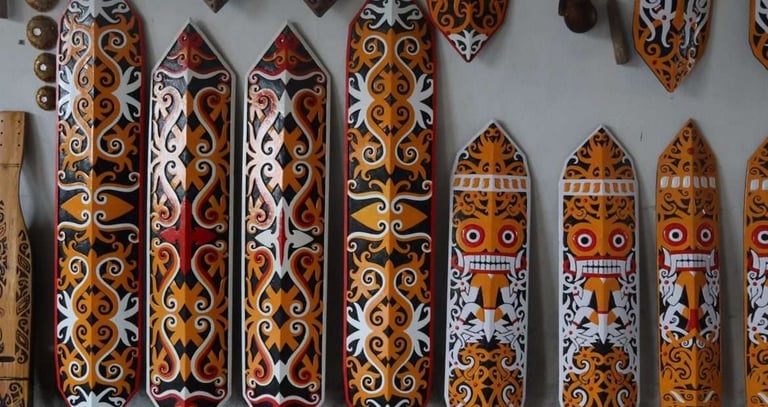
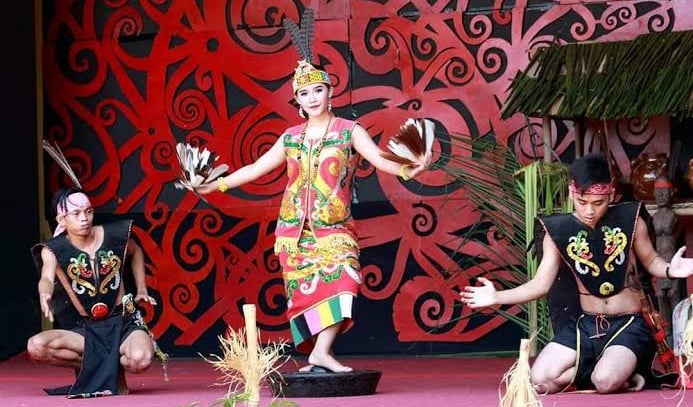
Traditional Houses and Clothing of East Kalimantan Province (Kalimantan Timur)
East Kalimantan is highly diverse, home to various Dayak sub-tribes, such as the Kenyah, Bahau, and Benuaq, as well as the coastal Kutai (Malay) people. The culture is characterized by its warrior traditions, intricate forest crafts, and royal history.
🏠Traditional House : Lamin and Rumah Adat Kutai
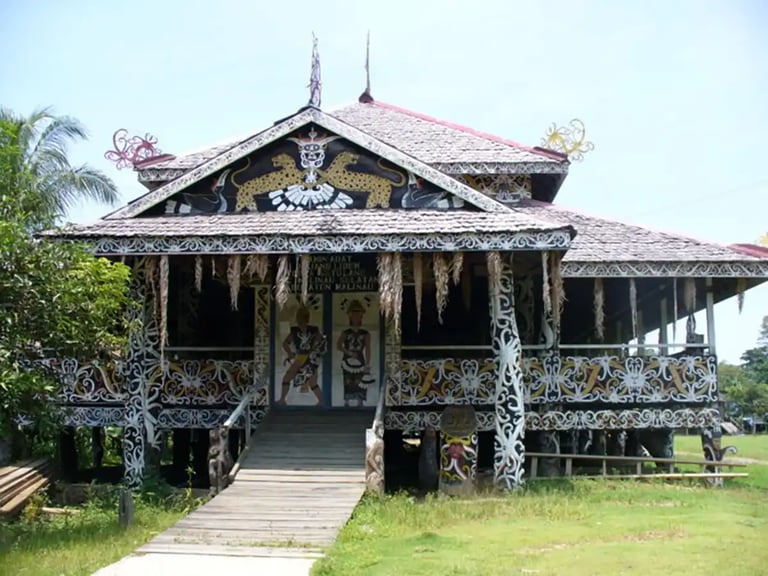
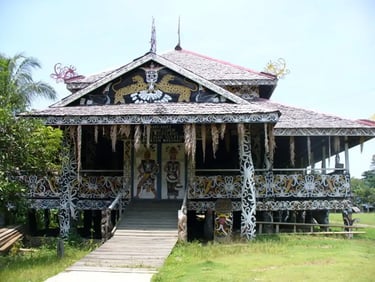
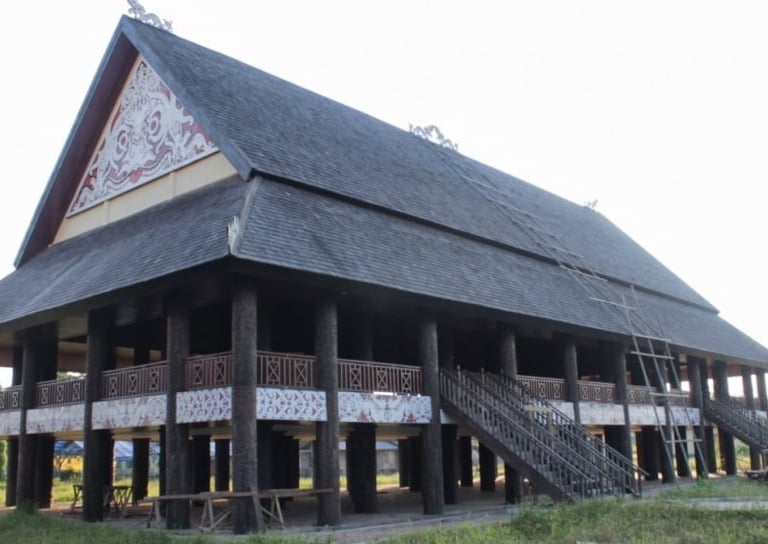
Rumah Lamin (Dayak Longhouse) The Lamin is the iconic communal longhouse of the Dayak people in East Kalimantan, particularly the Kenyah tribe. Like the Rumah Betang in other parts of Kalimantan, it is a massive, elevated stilt house that can stretch over 300 meters, historically housing large family groups or an entire clan. The house is built from sturdy ironwood (ulin), and the façade is often decorated with striking carvings and paintings of mythological figures.
Architecture The house is supported by tall pillars and has a long, covered terrace (peneq) that runs the length of the building, used for communal activities. The interior rooms are aligned along one side of the central hall.
Symbolism The Lamin symbolizes the collective strength, unity, and traditional social hierarchy of the Dayak community. The elaborate carvings often ward off evil spirits.
Rumah Adat Kutai (Malay Style)
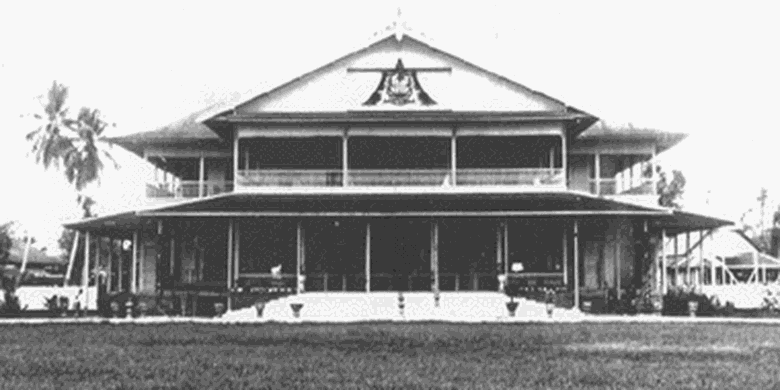
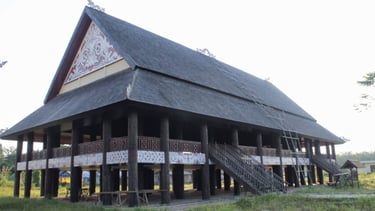
Rumah Kutai The traditional house of the indigenous Kutai Malay people, who founded the former Kutai Sultanate. These are smaller stilt houses than the Lamin, featuring a square plan and a multi-tiered hipped roof, reflecting Malay architectural influences and often utilizing ornate wood carvings.
👘Traditional Clothing : Saqai Sapaq and Baju Kustin
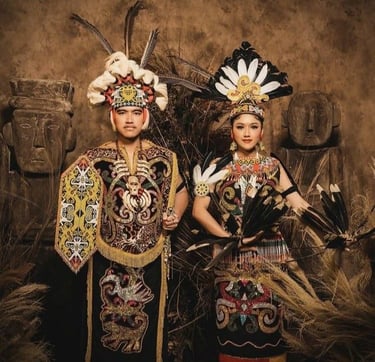
Pakaian Adat Dayak Kenyah (Dayak Kenyah Attire) The most representative indigenous attire, characterized by elaborate beadwork, embroidery, and the use of animal skin/teeth.
General Feature
Beads and Skins The clothing is characterized by the extensive use of brightly colored beadwork (manik) and embroidered designs. Materials historically included deer or goat skin for durability, and ornaments made of animal fangs/teeth, rattan, and feathers.
Men's Attire (Baju Adat Laki-laki)
Saqai Sapaq and Aban Men wear a simple Saqai Sapaq (vest) and a loincloth (Aban), both often covered in intricate beadwork and sometimes decorated with horns or animal skins. The headdress is made from hornbill feathers and worn with the Mandau (ceremonial sword) and shields, emphasizing the warrior culture.
Women's Attire (Baju Adat Perempuan)
Sapei Sapaq and Ta'a Women wear a simple vest or sleeveless blouse (Sapei Sapaq) and a short skirt (Ta'a), all densely decorated with multicolored beadwork and gold threads. They wear elaborate jewelry, including beaded caps, heavy coiled brass earrings that stretch the earlobes (Telingaan Aru), and intricate bracelets and necklaces.
🍲Distinctive Traditional Cuisine
The cuisine features unique ingredients from the river and forest, with a strong emphasis on savory and spicy flavors.
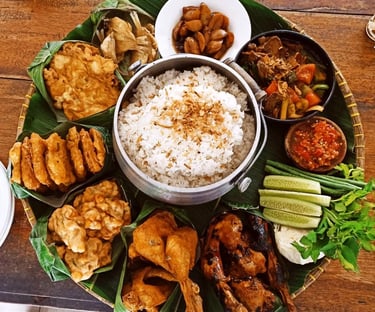
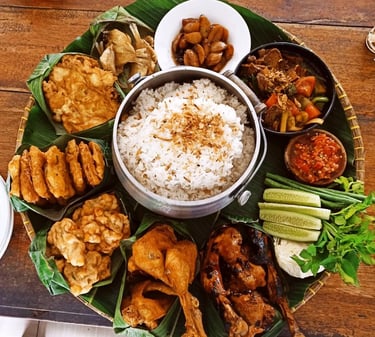
Nasi Bekepor: A traditional Kutai Malay rice dish. Rice is cooked with coconut milk, spices, and sometimes smoked fish, and traditionally served in a metal pot, accompanied by Sambal Raja (Royal Chili Sauce).
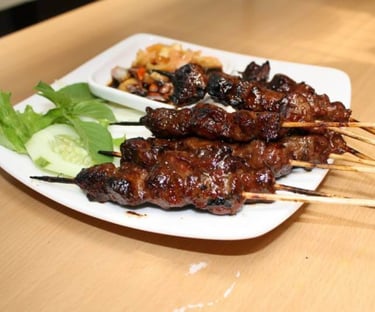
Sate Payau: Satay made from deer meat (payau), a traditional delicacy of the local communities. The meat is marinated in a strong spice mixture and grilled, often served with a sweet soy sauce and chili sambal.
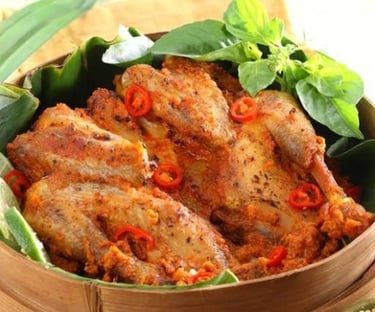
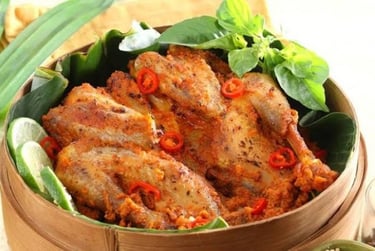
Ayam Cincane: A celebratory chicken dish, usually cooked in a rich coconut milk sauce infused with turmeric, ginger, and candlenut (kemiri), giving it a distinctive yellow color and strong aroma (shared with North Kalimantan).
Amplang: A highly popular local snack. These are small, crunchy savory crackers made primarily from mackerel or snakehead fish and sago flour, often shaped like small pillows or nuggets.



🗺️Famous Tourist Attractions
Kaltim is a destination for both eco-tourism and historical exploration.
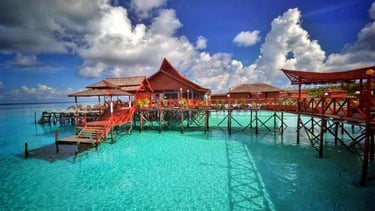
Kepulauan Derawan (Derawan Islands): A group of islands off the coast known globally for world-class diving and snorkeling, featuring pristine coral reefs, manta rays, and unique Jellyfish Lake (Kakaban Island).
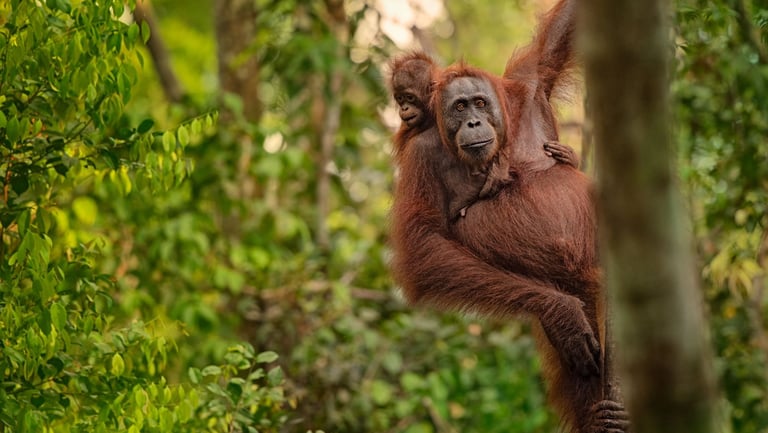
Kutai National Park: A vast reserve near Samarinda, serving as a vital sanctuary for the Orangutan, sun bears, and various indigenous flora.
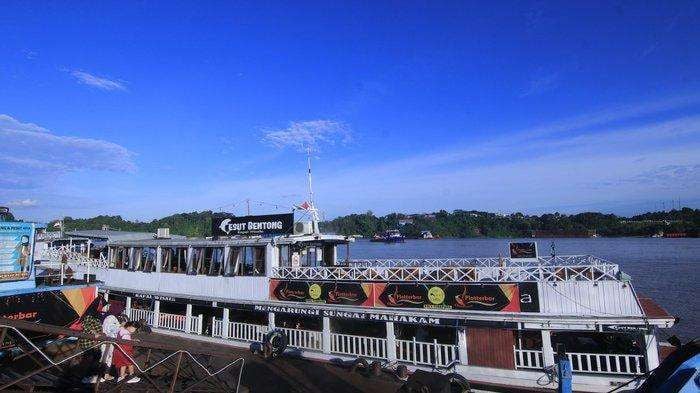
Mahakam River Cruise: Taking a riverboat trip on the Mahakam is the best way to witness the province's life, passing traditional Dayak villages, logging camps, and coal terminals.
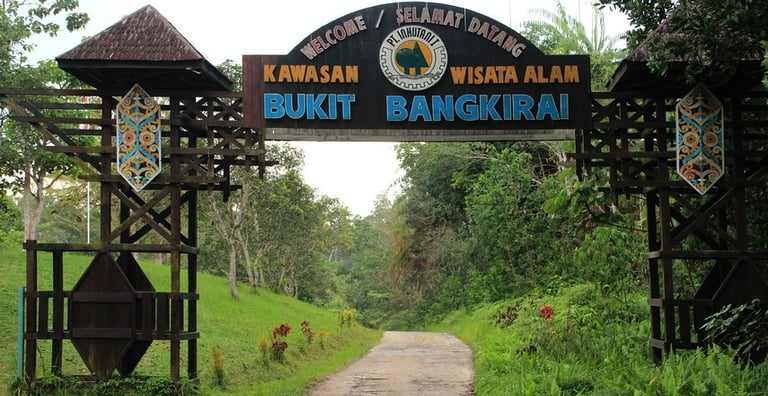
Bukit Bangkirai: An area featuring a massive canopy bridge suspended high above the rainforest, offering a thrilling perspective of the tropical ecosystem.

✈️Transportation Infrastructure
East Kalimantan's transport is crucial for its industrial exports and its future role as the nation's capital.
Airports (Bandar Udara):
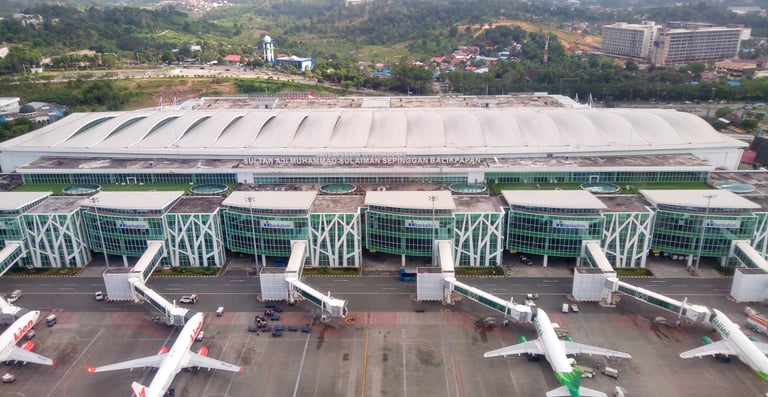
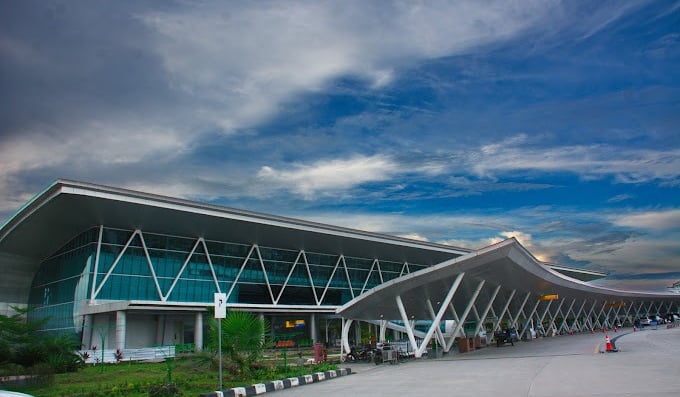
Sultan Aji Muhammad Sulaiman Sepinggan International Airport (BPN): Located in Balikpapan, this is the main and busiest airport, serving extensive domestic routes and being the primary entry point for the new capital region.
APT Pranoto International Airport (AAP): Located in Samarinda, serving domestic routes and regional connectivity.
Port (Pelabuhan):
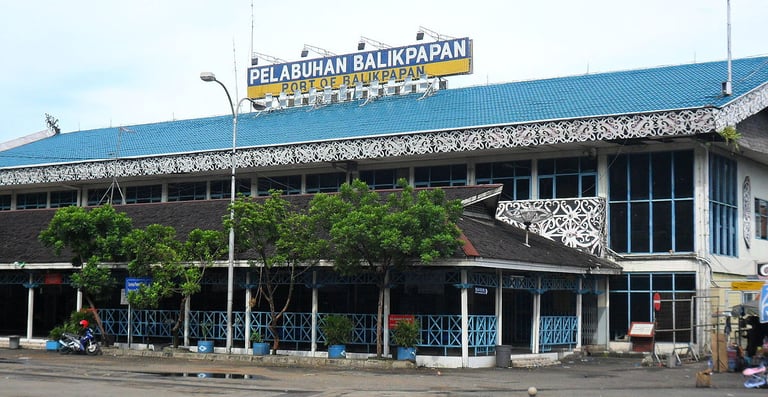
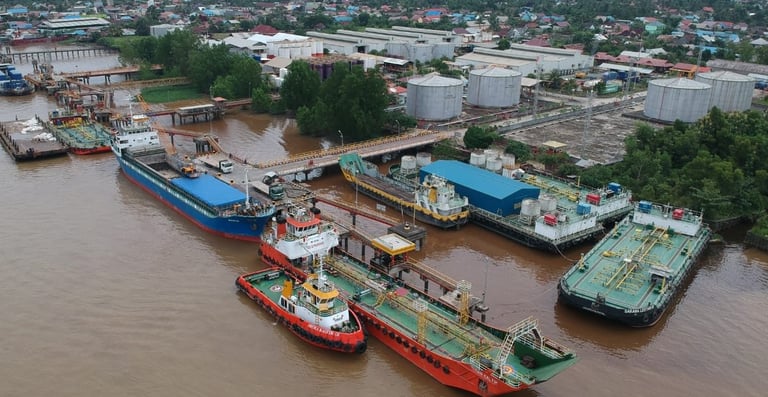
Balikpapan Port: The primary commercial port, central to the oil, gas, and mining industries.
Samarinda Port: A major hub for timber and general cargo, connected directly to the vast Mahakam River logistics network.
Various Coal Ports: Numerous private ports handle the large volume of coal and mineral exports.
Railroad (Stasiun Kereta Api):
East Kalimantan Province does not have any active railway network or passenger train stations. Transportation relies entirely on road networks (including inter-city highways) and the extensive river systems.
East Kalimantan is a province on the cusp of transformation. It is a land where the ancient royal history of Kutai meets the high-speed development of Nusantara (IKN), and where the intricate Dayak carvings stand in contrast to the massive coal terminals. From the pristine diving waters of Derawan to the mighty Mahakam River, Kaltim presents a compelling, dynamic frontier—a crucial engine of the Indonesian economy and the site of the nation's ambitious future.
Follow us to explore Indonesia with expert travel guidance
©PT.Sinar Pesona Travelindo 2025. All rights reserved.