



Jambi Province
A Comprehensive Look at Jambi Province
🐅Jambi Province: The Ancient Heart of Malay Kingdoms and Tropical Wilderness
Jambi is a significant province located on the central-eastern coast of Sumatra Island, Indonesia. Historically the site of powerful ancient Malay kingdoms, Jambi is defined by the mighty Batanghari River—one of Indonesia's longest—and its rich natural heritage, including vast rainforests and the highlands of Mount Kerinci.
🏛️ Capital City and Geographical Conditions
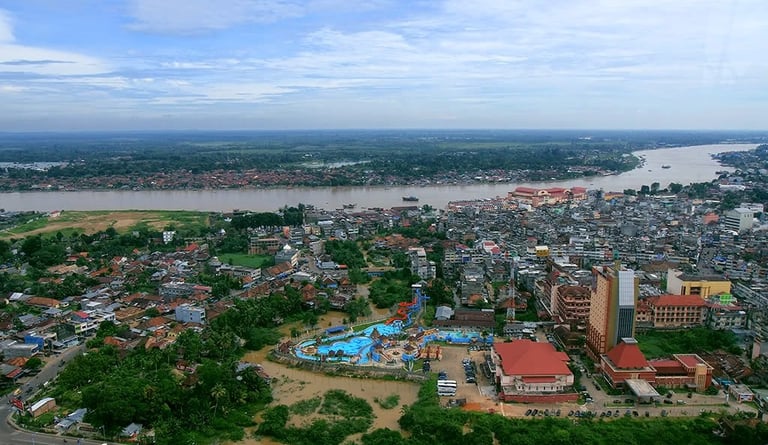
Capital City: Jambi City (Kota Jambi).
Geographical Conditions: Jambi’s topography is distinctly divided:
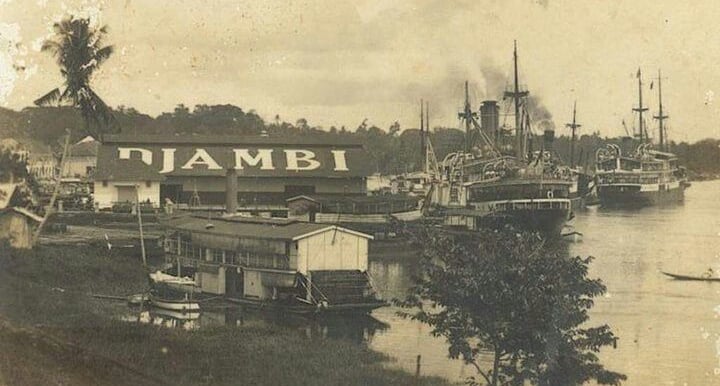
Eastern Lowlands: Dominated by flat, swampy peatlands, mangrove forests, and the vast floodplains of the Batanghari River, which historically served as the province's main trade and transport artery.
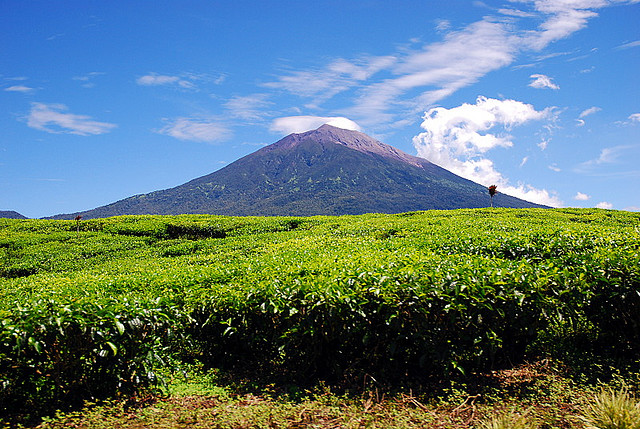
Western Highlands: Part of the Bukit Barisan Mountains, bordering West Sumatra. This region is home to Mount Kerinci, the highest volcano in Indonesia and Sumatra, featuring cooler climates suitable for tea and coffee plantations.
👥Demographics and Customs
Population: The population of Jambi Province is approximately 3.6 million people.
Ethnic Groups: The indigenous majority are the Jambi Malay people. Other groups include the Kerinci people (in the western highlands), the Suku Anak Dalam or Orang Rimba (nomadic hunter-gatherer communities living in the deep forests), and large communities of immigrants (Javanese, Minangkabau, Batak) from government transmigration programs.
Customs (Adat): Jambi culture is heavily influenced by Malay Adat (traditional law), which is guided by Islamic principles (Adat Bersendi Syarak, Syarak Bersendi Kitabullah). Communal cooperation (gotong royong) and harmony are central to social life.
📜History: Srivijaya's Legacy and Ancient Learning Centers
Jambi played a critical role in early Indonesian history, primarily through its strategic location and religious importance.
Ancient Malay Kingdom: Jambi is widely recognized as the location of the Malayu Kingdom (circa 7th to 13th centuries CE), a powerful political and maritime entity that either preceded or was contemporary with the Srivijaya Empire, dominating trade in the Malacca Strait.
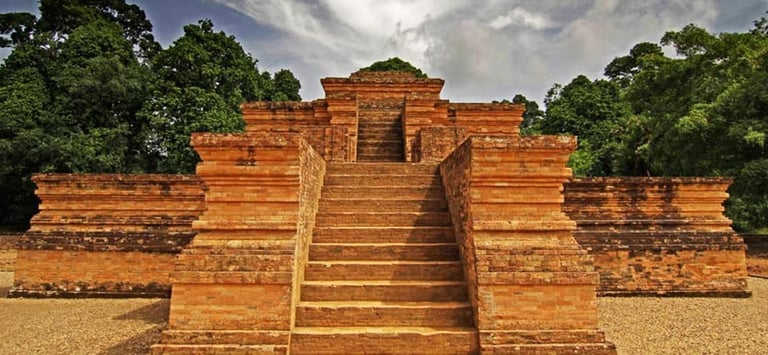
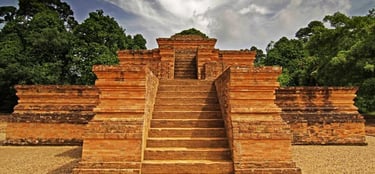
Muaro Jambi Temple Complex: This is Jambi’s most significant archaeological treasure. Located along the Batanghari River, it is the largest Hindu-Buddhist temple complex in Southeast Asia, indicating that the region was a major center for learning and religious pilgrimage.
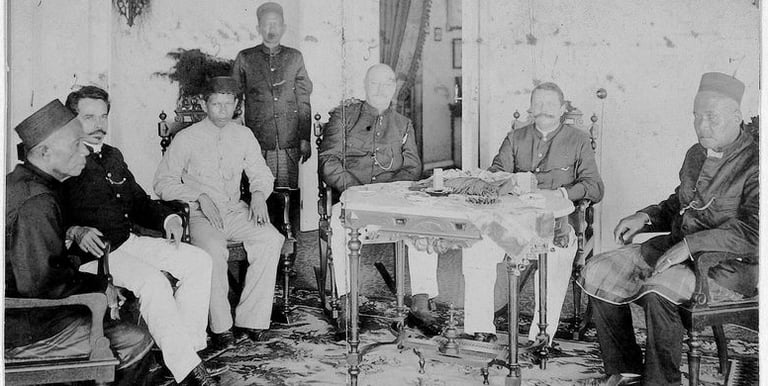
Jambi Sultanate: The area was later governed by the Islamic Jambi Sultanate until the Dutch colonial administration eventually took full control.
🎨Culture and Traditional Arts
Jambi's arts reflect its maritime Malay heritage and indigenous forest elements.
Dance: Tari Sekapur Sirih is the highly respected welcoming dance, symbolizing hospitality. Other dances include Tari Selampit Delapan.
Music: Traditional music often features the Gambus (a lute instrument) and Rebana (frame drum), used in Malay musical ensembles.
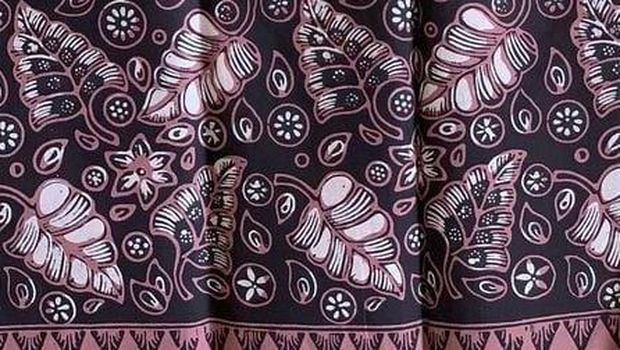
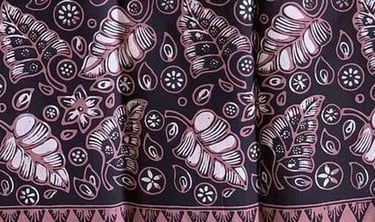
Jambi Batik: Known for its distinctive motifs inspired by local nature, such as the Batanghari River, durian fruit, and traditional boats. Jambi Batik often utilizes natural dyes, producing characteristic deep reds and browns.
🏠 Traditional House : Rumah Panggung Kajang Lako
Traditional House (Rumah Adat)
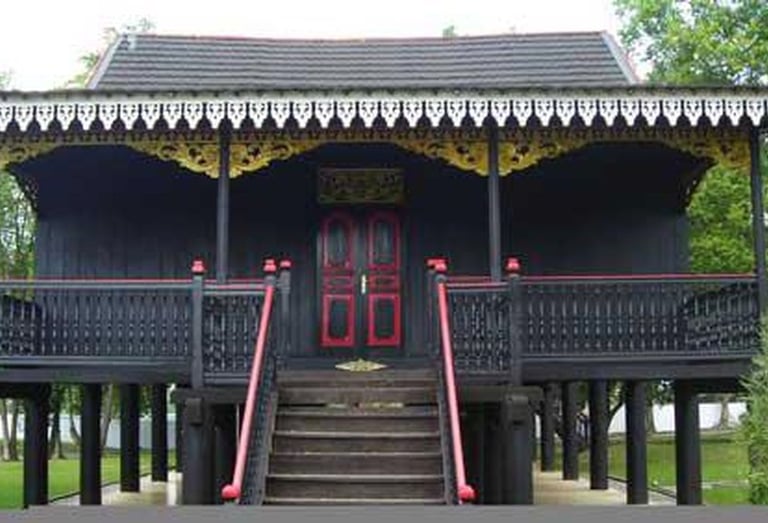
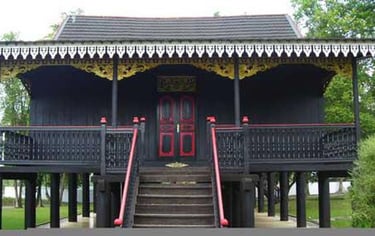
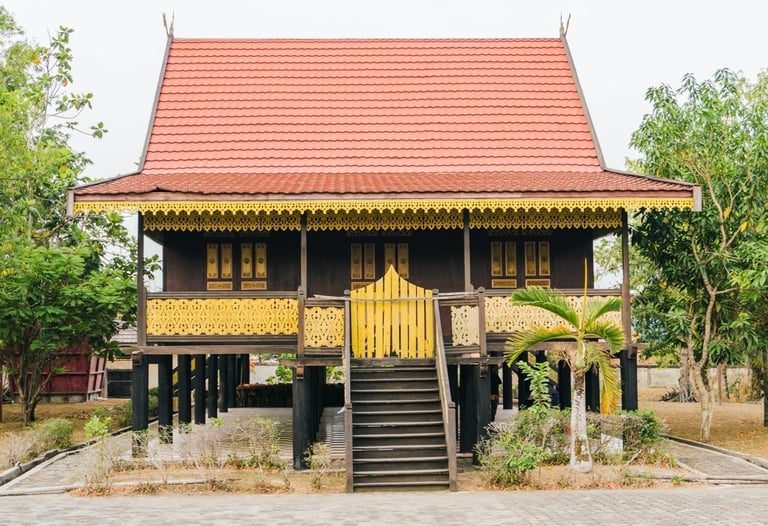
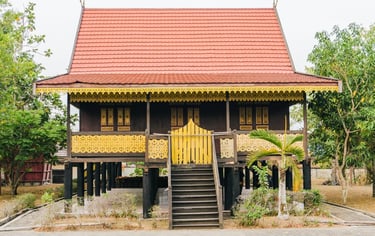
Rumah Panggung Kajang LakoThis is the principal traditional house of Jambi, a stilt house built on sturdy wooden pillars, primarily designed for safety against floods and wild animals. The name Kajang Lako refers to the curved roof shape that resembles a boat (a common feature in river-based communities). A defining feature is its rounded back veranda (Pentukang). The entire structure is divided into eight main rooms (ruang), with the layout reflecting social hierarchy and the rules of the community.
👘 Traditional Clothing : Pakaian Adat Melayu Jambi (Jambi Malay Traditional Attire)
Traditional Attire (Baju Adat)
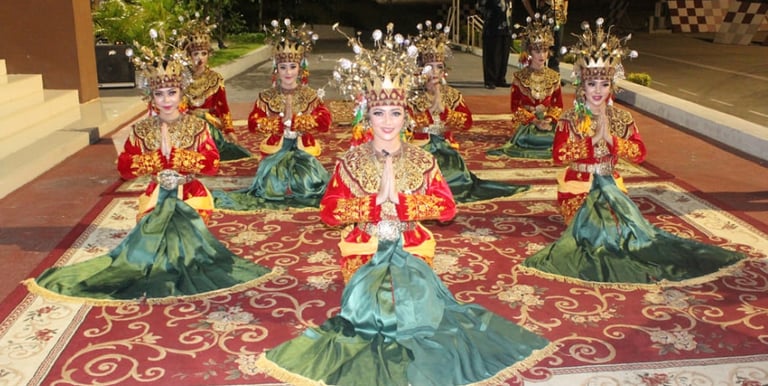
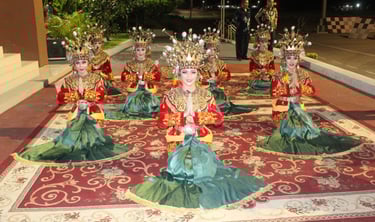
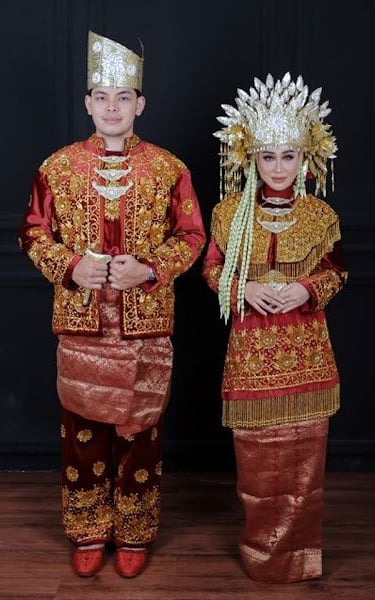
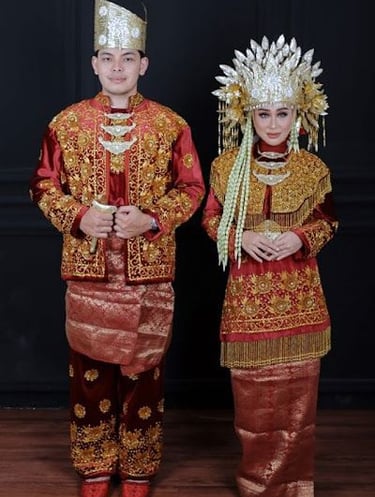
Pakaian Adat Melayu Jambi The traditional attire is a refined form of Malay clothing, heavily influenced by the former Jambi Sultanate's culture. It is rich in luxurious fabrics and intricate gold embroidery.
Men's Attire (Baju Adat Laki-laki) Baju Kurung and Celana Men wear a Baju Kurung (long-sleeved, loose-fitting top) often made of red, velvet, or silk fabric, matched with trousers. The top is heavily embroidered with gold threads in floral or geometric patterns. Accessories include a Songket fabric tied around the waist (salempang or sarung) and a traditional head covering called Tanjak (a folded piece of songket).
Women's Attire (Baju Adat Perempuan) Baju Kurung and Kain Songket Women wear a luxurious, red Baju Kurung made of velvet or silk, also fully embroidered with gold threads. This is paired with a magnificent Kain Songket (woven fabric) as a skirt. The outfit is completed with elaborate, layered gold jewelry, including necklaces, large brooches, and the distinguishing Crown or headpiece which signifies beauty and high status.
🍲Distinctive Traditional Cuisine
Jambi cuisine utilizes river fish and forest produce, often featuring rich coconut milk and local spices.
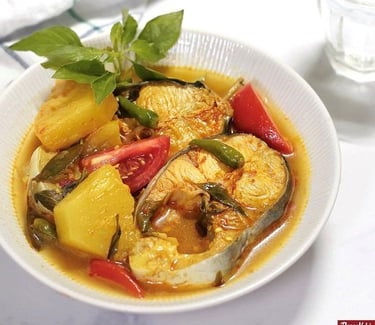
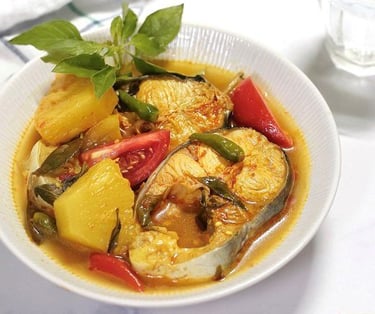
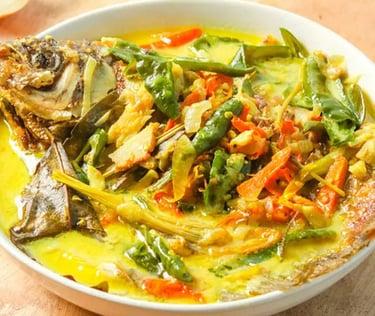
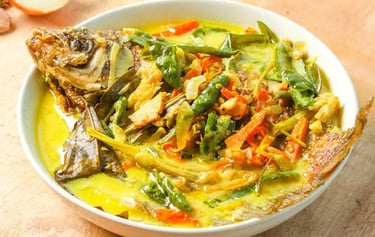
Gulai Ikan Patin: The most famous Jambi dish—river catfish (Patin) cooked in a rich, thick, yellow curry (Gulai) made with coconut milk and spices.
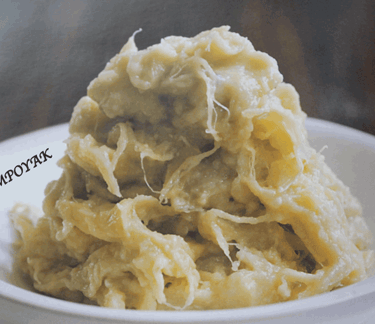
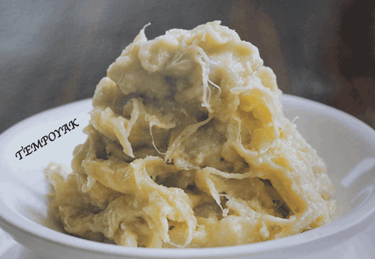
Tempoyak: A unique dish made from fermented durian pulp, often mixed into a spicy relish (sambal) or cooked with fish to add a pungent, creamy flavor.
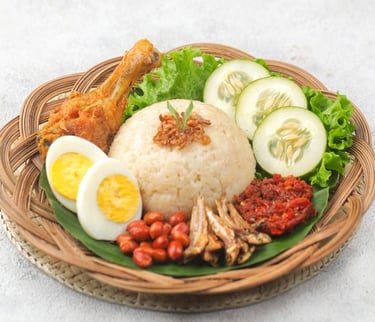
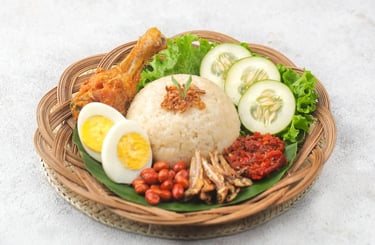
Nasi Gemuk: A savory rice dish similar to Nasi Uduk or Nasi Lemak, cooked with coconut milk and served with hard-boiled egg, peanuts, anchovies, and chili sauce.
🗺️Famous Tourist Attractions
Jambi's tourism spans historical archaeology and breathtaking natural wilderness.
Muaro Jambi Temple Complex: The prime historical site, offering a vast area for exploration of ancient Buddhist structures and a deeper understanding of the Malay Kingdom era.
Kerinci Seblat National Park (TNKS): A UNESCO World Heritage site shared with three other provinces. It protects the largest area of tropical rainforest in Sumatra, offering challenging hiking (including Mount Kerinci) and serving as a critical habitat for the Sumatran Tiger.
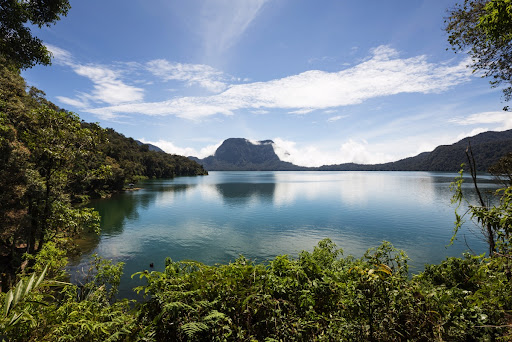
Lake Kaco: A hidden gem in the Kerinci region, this small lake is famous for its strikingly clear, brilliant blue-colored water, often attributed to specific mineral deposits.
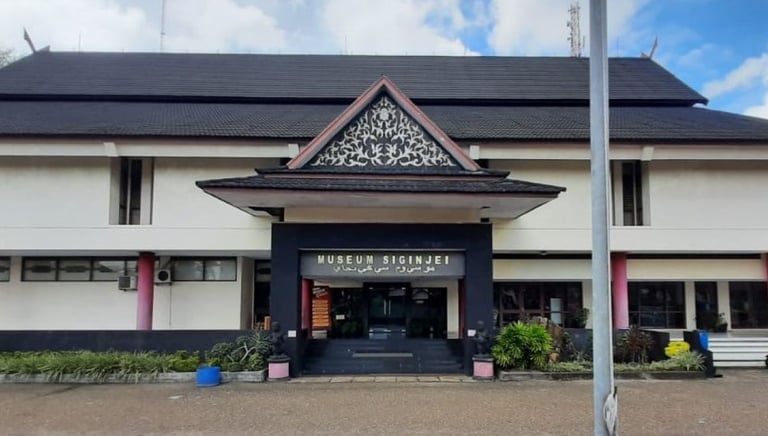
Siginjei Museum: The provincial museum in Jambi City, which houses artifacts, traditional clothing, and historical documentation of the region.
✈️Transportation Infrastructure
Jambi relies on a mix of air, road, and river transport to connect its regions.
Airport :
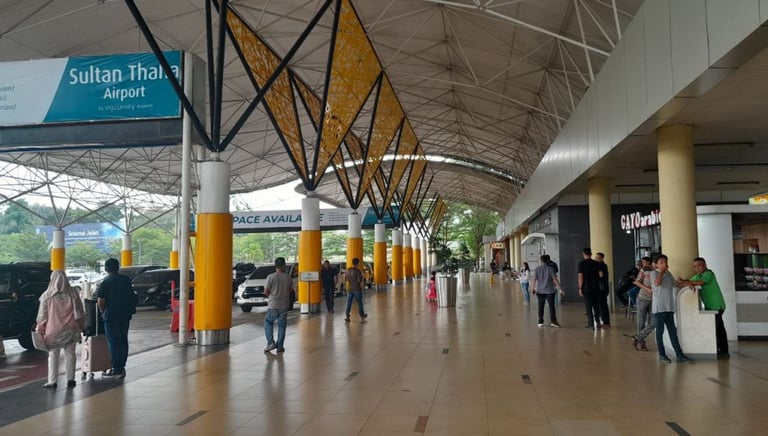
Sultan Thaha Syaifuddin Airport (DJB): Located in Jambi City, this is the main commercial airport, serving regular domestic flights to key Indonesian cities, including Jakarta and Batam.
Ports :
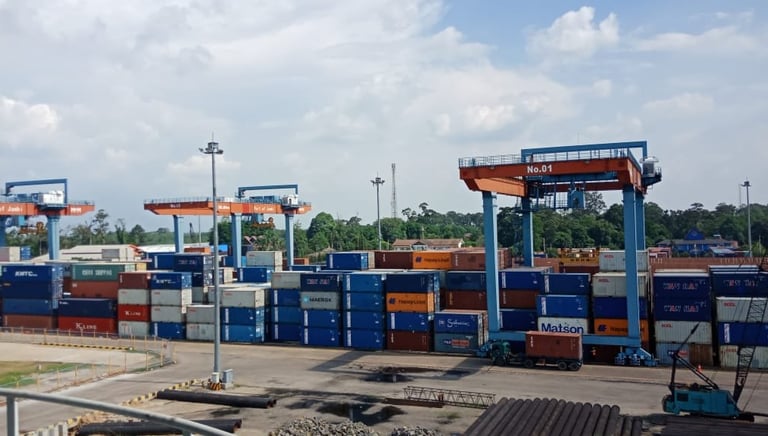
Talang Duku Port and Muara Sabak Port: These ports handle the export of Jambi's major commodities (such as palm oil and rubber).
Batanghari River: The river remains a crucial waterway for transporting goods and people between the interior and the coast.
Railroad :
Jambi Province currently does not have any active passenger train stations connected to Indonesia's national rail network. Inter-city transport primarily relies on road networks (bus and private vehicle).
Jambi is a captivating blend of ancient past and raw nature. From the monumental ruins of the Muaro Jambi temple complex—the silent witnesses to centuries of civilization—to the towering peaks of Mount Kerinci and the deep secrets of the Orang Rimba forest, the province invites you to explore Sumatra's historical soul and its untamed ecological heart. Jambi truly offers a journey into the wild, where history flows as freely as the mighty Batanghari River.
Follow us to explore Indonesia with expert travel guidance
©PT.Sinar Pesona Travelindo 2025. All rights reserved.