



North Sulawesi Province
A Comprehensive Look at North Sulawesi Province


🐠North Sulawesi Province : The Sparkling Coral Triangle
North Sulawesi (Sulut) occupies the northernmost arm of the island, characterized by its dramatic volcanic landscapes, deep marine trenches, and a highly distinct, predominantly Christian culture. It is globally famous as a premier diving destination, sitting at the heart of the Coral Triangle, and serves as a vital historical gateway connecting Indonesia to the Philippines and the Pacific.
🏛️Capital City and Geographical Conditions
Capital City: Manado. Located on the western coast of the Minahasa Peninsula, Manado is the economic and political center, known for its vibrant culinary scene and proximity to world-class diving sites.
Geographical Conditions: The topography is dominated by the Minahasa Peninsula and its volcanic chain.
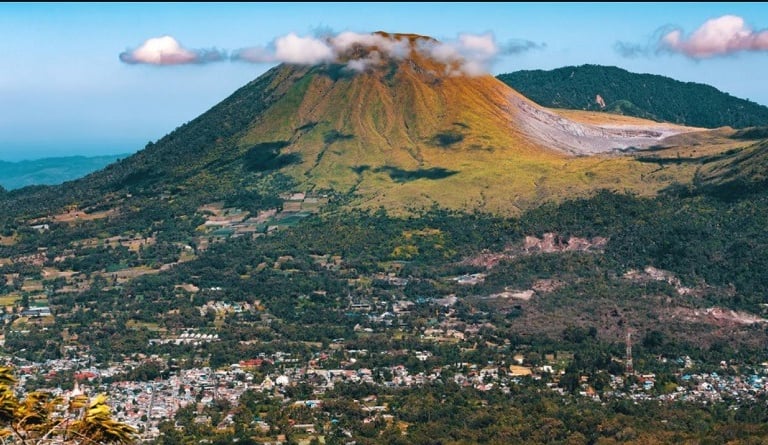
Volcanic Activity: The region is highly volcanic, featuring several active volcanoes and fertile highlands (Dataran Tinggi Minahasa).
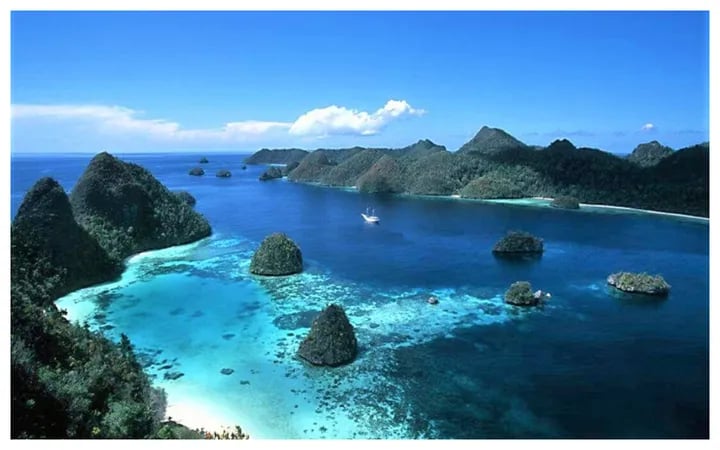
Coastal Features: The province includes numerous islands, most notably the Bunaken-Manado Tua complex and the Sangihe and Talaud archipelagos that stretch north toward the Philippines.
Marine Geography: The waters surrounding Sulut are exceptionally deep, including the Celebes Sea and the Sangihe Trench, contributing to its unique marine biodiversity.
Climate: Tropical monsoon climate, typically wet and warm, though the highland areas enjoy cooler temperatures.
👥Demographics and Customs
Population: The population of North Sulawesi is estimated at approximately 2.7 million people.
Ethnic Groups: The largest indigenous group is the Minahasa people. Other groups include the Sangihe and Talaud (island dwellers), Gorontalo (though now a separate province, historically connected), and significant populations of Javanese and Chinese Indonesians (especially in Manado).
Religion: Unique in Indonesia, the majority of the population in the Minahasa area is Protestant Christian.
Customs (Adat Istiadat): Minahasan culture is known for its open, modern outlook, high educational standards, and elaborate communal celebrations (weddings, Christmas, Easter). Mapalus is a key traditional concept, representing a system of communal cooperation and mutual assistance in farming and social life.
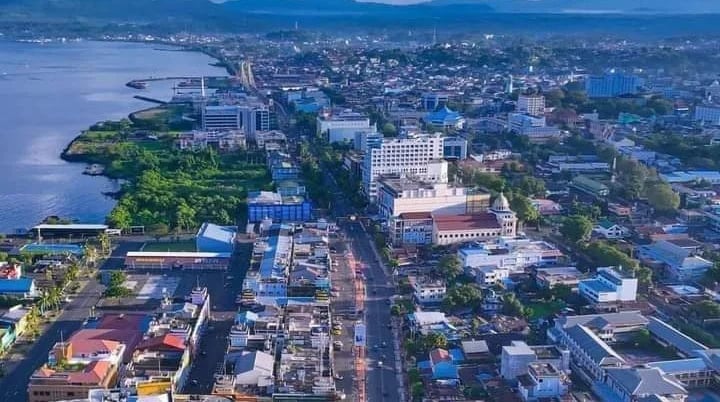
📜History: Spice Trade, Dutch Influence, and the Pacific Gateway
North Sulawesi has a long history of interaction with international powers due to its strategic maritime position.
Minahasa Tribes: The region has historically been the home of various indigenous tribes, notably the Minahasa people, who developed strong trade relationships with maritime powers.
European Contact: The Portuguese and Spanish arrived early during the spice trade era. However, the Dutch established firm control in the 17th century. The Minahasa people often allied with the Dutch, leading to a strong early adoption of Christianity and Western education, distinguishing them culturally from other regions of Sulawesi.
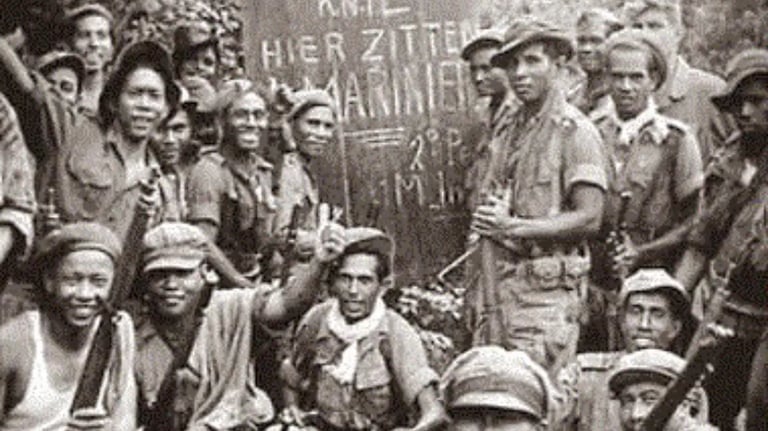
World War II: Due to its strategic location, Manado was an important Japanese military base and a focus of Allied air attacks.
PRRI/Permesta Rebellion: The region was a central point for the Permesta Rebellion in the late 1950s, a movement for greater regional autonomy, which was eventually resolved peacefully.
🎨Culture and Traditional Arts
Sulut's culture is a fascinating blend of indigenous, European, and Pacific influences.
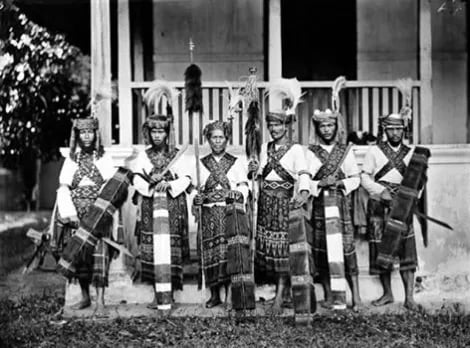
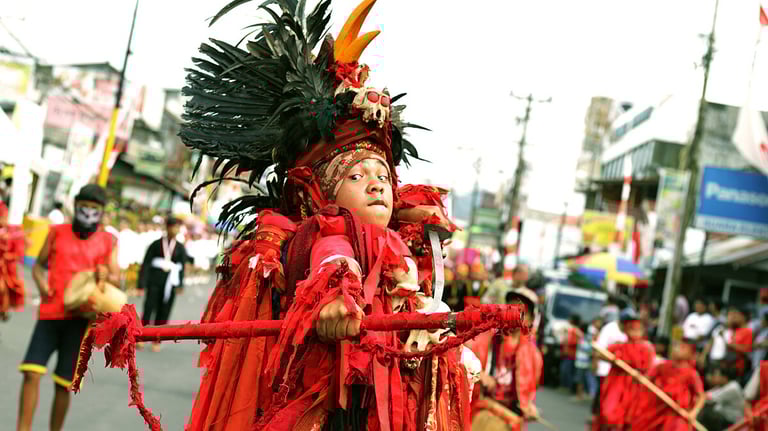
Kabasaran Dance: A highly energetic and dramatic traditional Minahasa war dance. Performers wear vibrant red costumes and wield swords and shields, expressing bravery and martial skill.
Kolintang: A unique musical instrument consisting of a row of wooden bars arranged horizontally, similar to a xylophone. The Kolintang orchestra produces distinctive, melodic music used during ceremonies and performances.
Wale Ne Tou (Traditional House): The traditional Minahasa house, built on stilts and featuring a distinctive, steeply pitched roof, designed to withstand volcanic tremors.
Weaving and Pottery: Traditional crafts remain strong, especially among the more remote tribes.
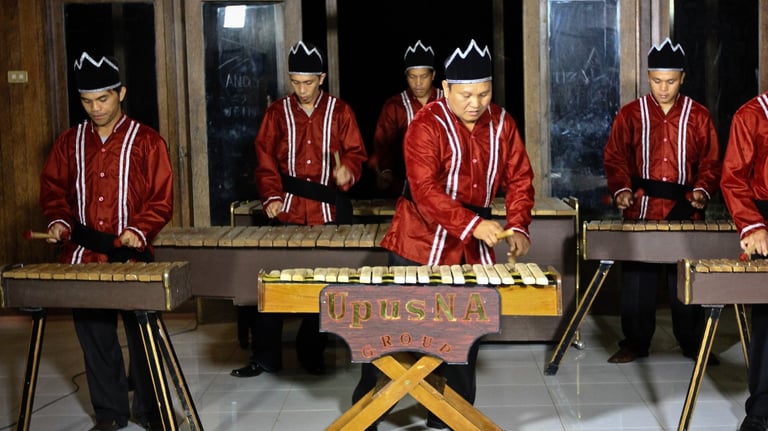
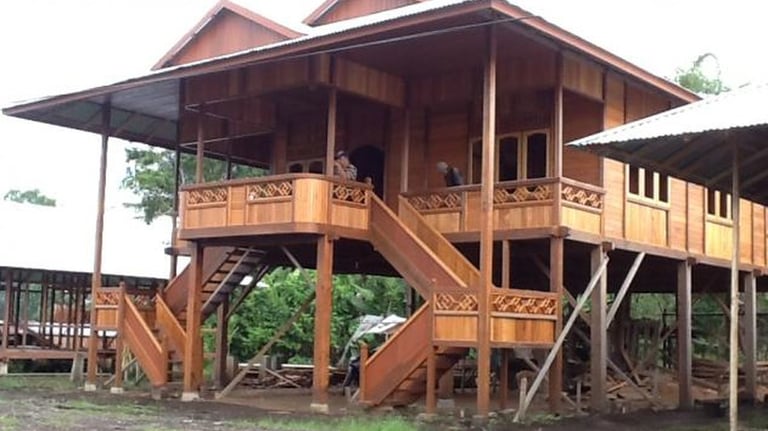
Traditional Houses and Clothing of North Sulawesi Province (Sulawesi Utara)
North Sulawesi is primarily inhabited by the Minahasa people, but also includes the Bolaang Mongondow (BMR) and Sangihe-Talaud groups. The culture is highly distinct, showing both indigenous influences and historical connections to trade with European and Filipino communities.
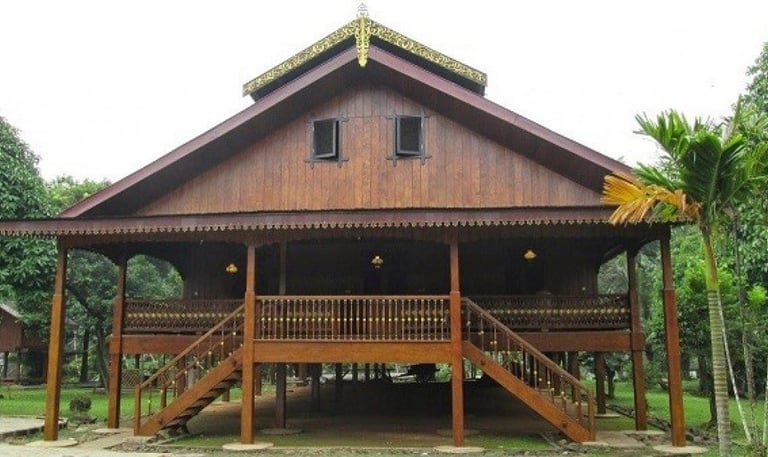
🏠Traditional House : Rumah Pewaris
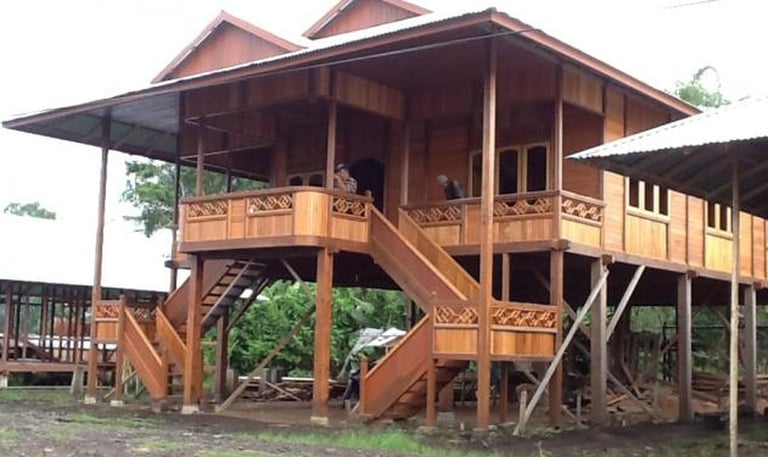
Rumah Pewaris (Minahasa Traditional House) The Rumah Pewaris (Inherited House) is the traditional house of the Minahasa people, who are the dominant ethnic group. It is an easily recognizable stilt house (Rumah Panggung) built with solid timber, known for its strong, symmetrical, and often grand appearance.
Architecture The house stands on high wooden pillars (usually 16 to 28 posts) and features a prominent, steeply pitched saddle roof, designed to withstand the region's frequent rainfall. The entrance is accessed via an open staircase, and the interior typically has a large, open main room (Wale) that serves as a communal gathering area.
Philosophy The house is built with an open-air porch (Lesar) at the front, which signifies openness and hospitality. The entire structure symbolizes the family lineage and commitment to unity, reflecting Minahasa communal values.
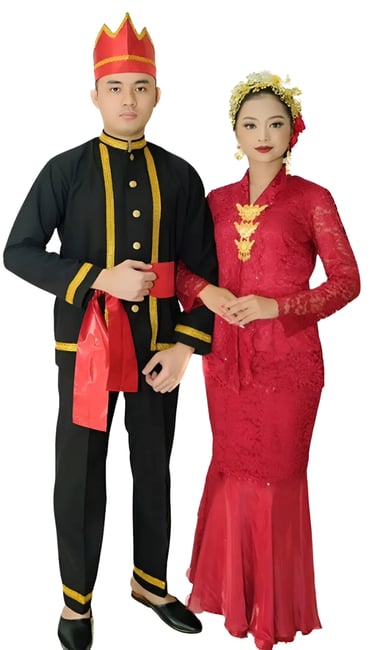
👘Traditional Clothing : Pakaian Adat Minahasa
Pakaian Adat Minahasa (Minahasa Traditional Attire) The formal attire is heavily influenced by the region's geography and history, utilizing simple yet durable materials and bright, geometric patterns.
General Feature
Kain Tenun Bentenan The traditional clothing is often made from fine, hand-woven cotton cloth called Kain Bentenan, which is a highly valued and distinct textile featuring geometric motifs and vibrant colors like red, yellow, and black. This fabric represents the region's weaving heritage.
Women's Attire (Baju Adat Perempuan)
Baju Kurung and Kain For formal events, women wear a tailored Baju Kurung (long-sleeved blouse) paired with a woven Kain Bentenan sarong. The most striking element is the elaborate Porong (or Mahkota)—a distinctive tiered crown or headpiece adorned with gold, flowers, and ornaments, symbolizing status and beauty.
Men's Attire (Baju Adat Laki-laki)
Baju Laku Tepu Men wear a simple, long-sleeved jacket called Baju Laku Tepu, which is often black or dark-colored, made from Kain Bentenan or silk. This is paired with trousers and a woven Sarong wrapped around the waist. The outfit is completed with a distinctive traditional head covering (Destar or Balao) made of the woven fabric, usually featuring the same striking motifs as the rest of the attire.
🍲Distinctive Traditional Cuisine
Manado/Minahasan cuisine is famous across Indonesia for its bold, intensely spicy flavors, heavy use of fresh herbs, and diverse protein sources.
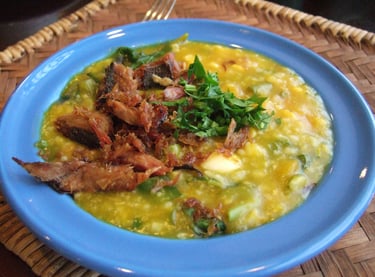
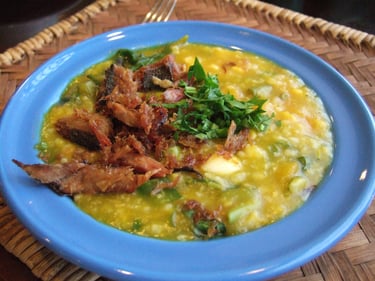
Tinutuan (Manado Porridge): A famous healthy breakfast dish. It is a savory, thick rice porridge cooked with various vegetables, especially pumpkin, cassava, and spinach, served with sambal (chili) and sometimes salted fish.
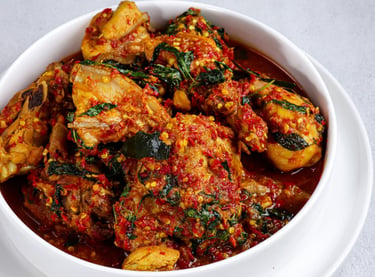
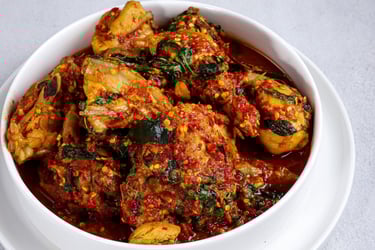
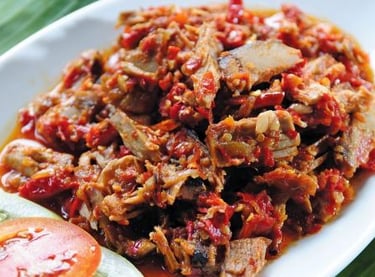
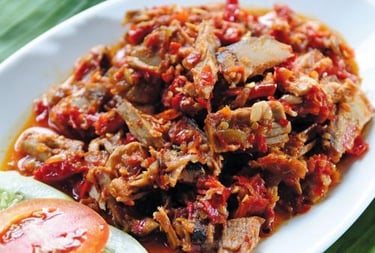
Rica-Rica: The quintessential Manado spice mix. It is a scorching hot, bright red sauce made from chili peppers, ginger, shallots, and lime. Ayam Rica-Rica (Chicken cooked in Rica-Rica) is the most famous example.
Cakalang Fufu: Smoked skipjack tuna. The tuna is spiced, wrapped in bamboo, and smoked over a fire until very dry, giving it a long shelf life. It is highly flavorful and often cooked again with rica-rica or coconut milk.
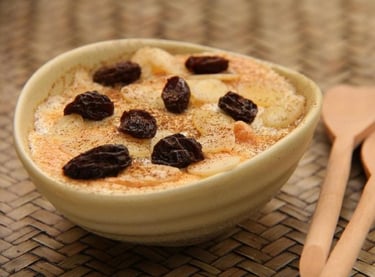
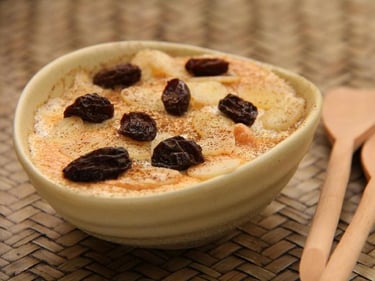
Klappertaart: A signature dessert showing Dutch influence. It is a rich, creamy baked coconut tart made with flour, milk, butter, and slivers of young coconut flesh, often topped with cinnamon and raisins.
🗺️Famous Tourist Attractions
The province is primarily known for its world-class marine life and volcanic landscapes.
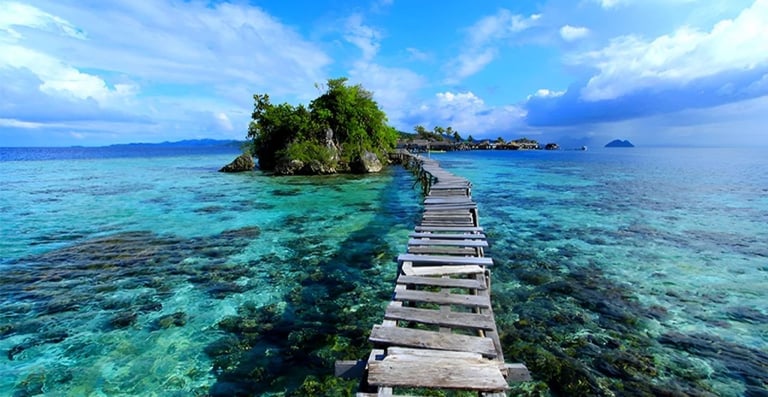
Bunaken National Marine Park: A world-renowned diving and snorkeling location, featuring spectacular vertical coral walls, incredible biodiversity, and clear water. It is the core of the Coral Triangle.
Mount Lokon and Mount Mahawu: Active volcanoes in the Minahasa Highlands, popular for hiking and offering panoramic views of the surrounding countryside and Tomohon city.
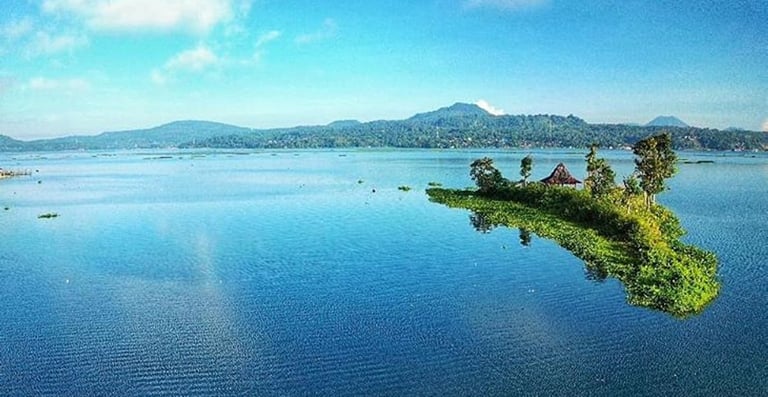
Lake Tondano: A large, beautiful volcanic lake in the Minahasa area, surrounded by fertile fields and traditional villages.
Siladen Island: A small, picturesque island near Bunaken, known for its pristine white-sand beaches and peaceful resorts.
Tomohon Traditional Market: Famous (or notorious) for offering a wide variety of unusual meats (such as bats, rats, or snakes), reflecting a unique, historically non-Islamic local diet.
✈️ Transportation Infrastructure
North Sulawesi is a critical international air and sea hub for Eastern Indonesia.
Airport (Bandar Udara):
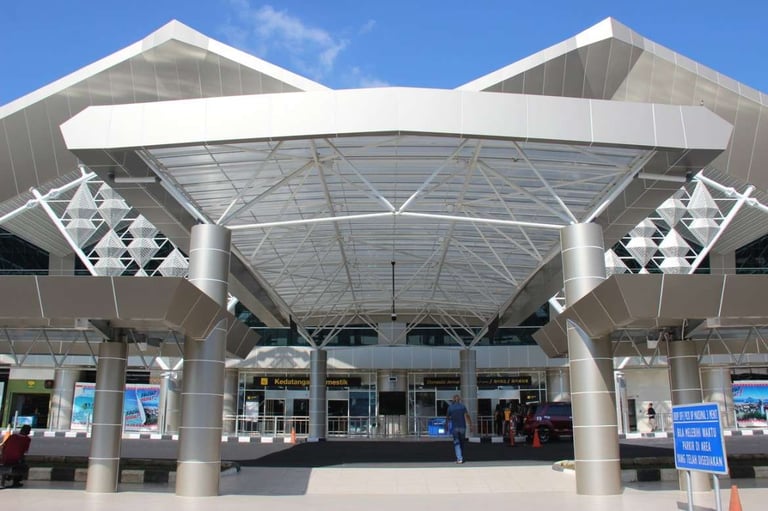
Sam Ratulangi International Airport (MDC): Located in Manado, this is the main gateway, serving domestic routes and numerous regional international flights (especially to China, the Philippines, and Singapore).
Port (Pelabuhan):
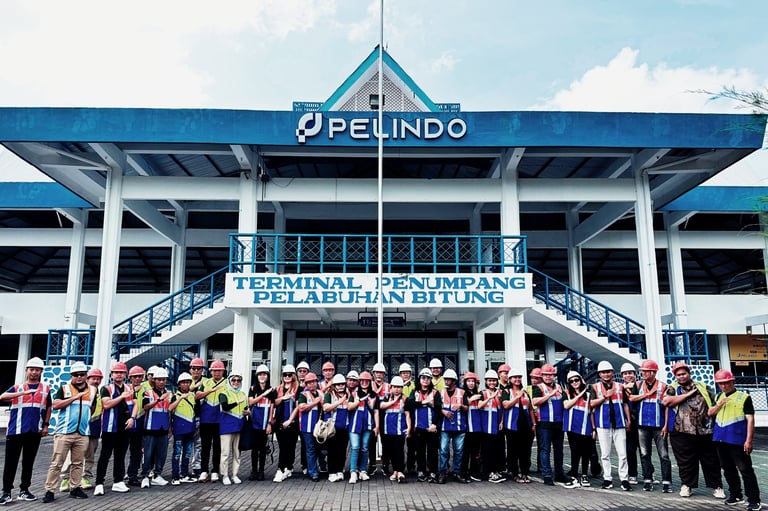
Bitung Port: Located east of Manado, this is Indonesia’s major deep-sea port designated for Eastern Indonesia, handling significant international cargo and large container ships.
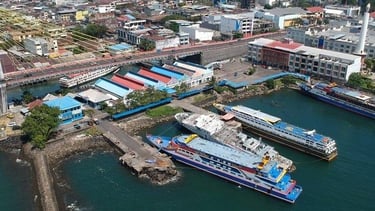
Manado Port: Primarily handles passenger ferries, fast boats to Bunaken, and local cargo.
Talaud/Sangihe Ports: Vital ports linking the remote northern archipelagos to the main island and facilitating cross-border trade.
Railroad (Stasiun Kereta Api):
North Sulawesi Province does not have any active railway network or passenger train stations. Transportation relies entirely on its road network and its essential sea connections.

North Sulawesi is a shining beacon of resilience and beauty, a place where the dramatic slopes of its volcanoes plunge into the world’s most biologically rich waters. It is a region defined by the fervent hospitality of the Minahasa people, the scorching heat of Rica-Rica cuisine, and the unparalleled splendor of the Bunaken reefs. Sulut stands as a dynamic, welcoming crossroads—an unforgettable jewel where Indonesian culture meets the Pacific.
Follow us to explore Indonesia with expert travel guidance
©PT.Sinar Pesona Travelindo 2025. All rights reserved.