



Papua Province
A Comprehensive Look at Papua Province


🦅Papua Province: The Great Northern Territory and the Pacific Gateway
Papua Province, with its capital in Jayapura, occupies the northern coastal area and highlands surrounding the capital of the island of New Guinea. As one of the original provinces, it acts as Indonesia's primary gateway to the Pacific, defined by its massive Sentani Lake, the mighty Mamberamo River, and the unique traditions of the Sentani and coastal tribes.
🏛️Capital City and Geographical Conditions
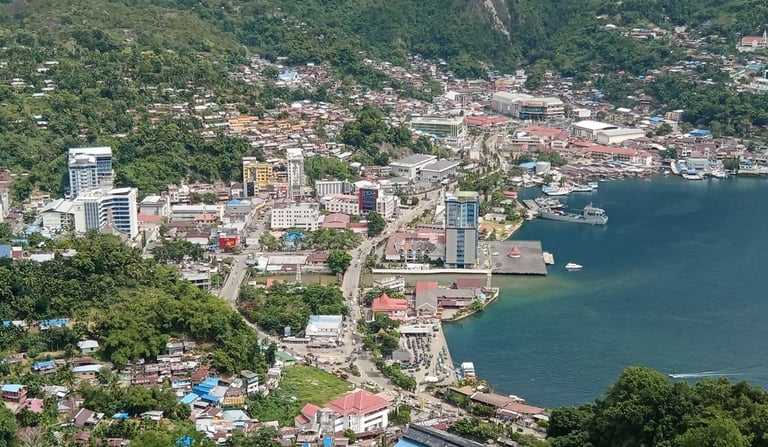
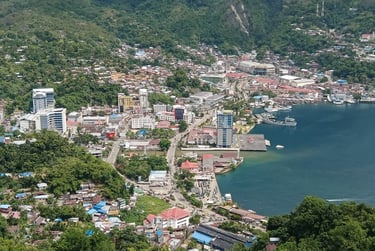
Capital City: Jayapura. Located directly on the coast near the border with Papua New Guinea, Jayapura is the largest city in the region, serving as the commercial, political, and educational hub for all Papuan provinces.
Geographical Conditions: The province features a distinct coastal and riverine environment.
Teluk Yos Sudarso (Yos Sudarso Bay): The main bay and port area surrounding Jayapura, known for its strategic importance and maritime activities.
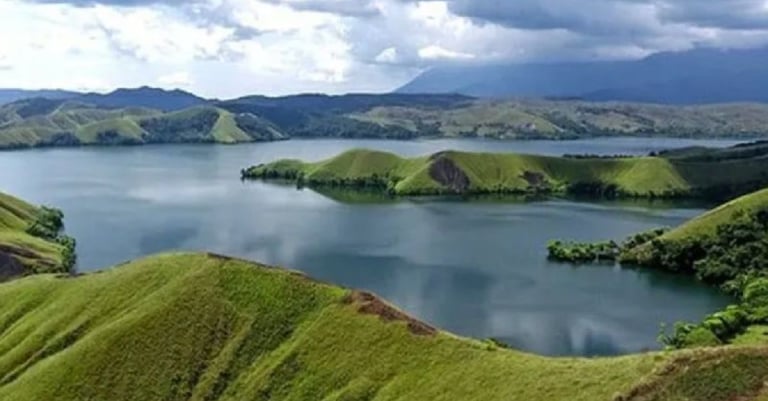
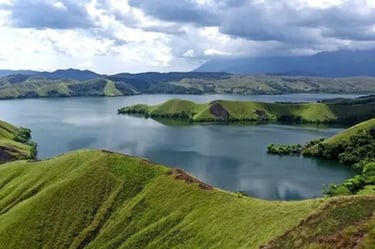
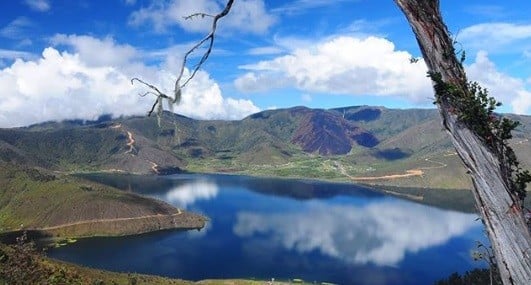
Lake Sentani: A vast, picturesque lake located west of Jayapura, surrounded by rolling hills and home to unique floating Sentani villages.
Mamberamo River: One of Indonesia's largest and most important rivers, often referred to as the "Amazon of Papua." Its basin dominates the northern interior of the province, creating massive swamps and dense lowland rainforests.
Climate: Tropical rainforest climate, with high temperatures and extreme humidity, particularly in the Mamberamo basin.
👥Demographics and Customs
Population: The population is diverse, concentrated heavily in the capital and around Lake Sentani.
Ethnic Groups:
Sentani: The dominant indigenous tribe inhabiting the areas around Lake Sentani, known for their unique houses built over the water and their distinctive pottery.
Tobati and Enggros: Coastal tribes living on small islands and near the shoreline of Jayapura.
Sami: Indigenous groups inhabiting the Mamberamo River basin.
Migrants: Significant communities of Javanese, Bugis, and Ambonese primarily involved in civil service, commerce, and trade within Jayapura.
Customs (Adat Istiadat):
Ondofolo System: The traditional leadership system of the Sentani tribe, where the Ondofolo (traditional chief) holds religious, cultural, and land ownership authority over his Kampung (village).
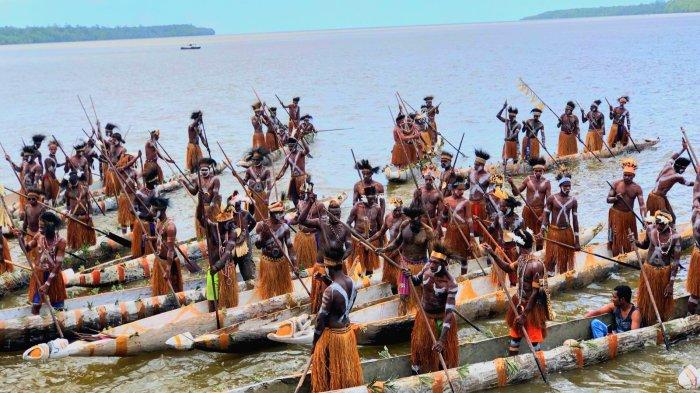
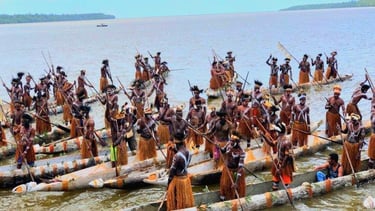
Tari Isosolo: The iconic traditional dance of the Sentani people, performed during the annual Lake Sentani Festival, where dancers perform on traditional canoes, symbolizing unity and harvest.
📜History: Colonial and Post-Independence Center
Papua Province has been the administrative center since the Dutch colonial era (as Hollandia, later Kotabaru).
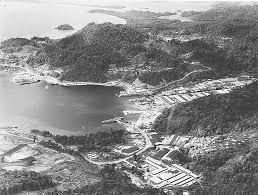
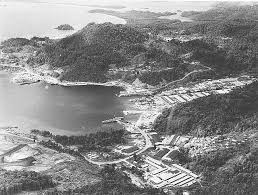
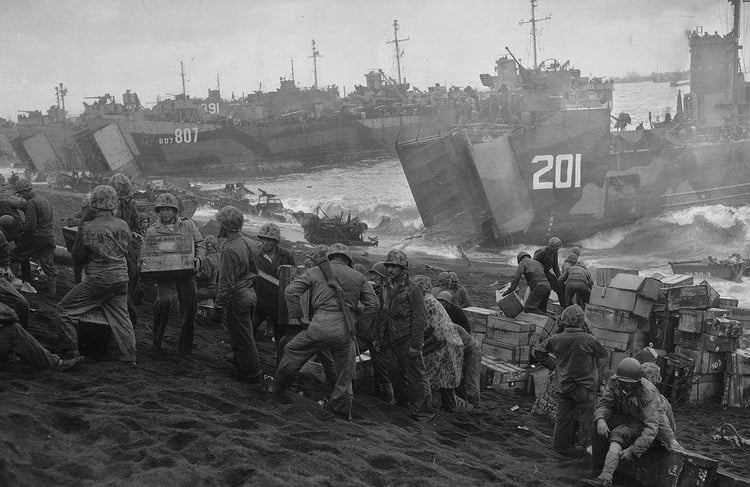
World War II: Jayapura (then Hollandia) was a strategic location and the largest base of the Allied forces under General Douglas MacArthur during the campaign against the Japanese, evidenced by numerous historical relics in the area.
New Guinea Council: Jayapura was the seat of the New Guinea Council established by the Dutch in 1961, which played a role in the political transition of the region.
Special Autonomy: As the original central authority, Jayapura implements the Special Autonomy (Otsus) Law of 2001, focusing on indigenous rights, education, and health.
Administrative Changes: Following the 2022 division, Jayapura and the northern coastal regions remained under the administrative control of the primary Papua Province.
🎨Culture and Traditional Arts
The culture blends coastal fishing and riverine traditions with the influence of the modern city:
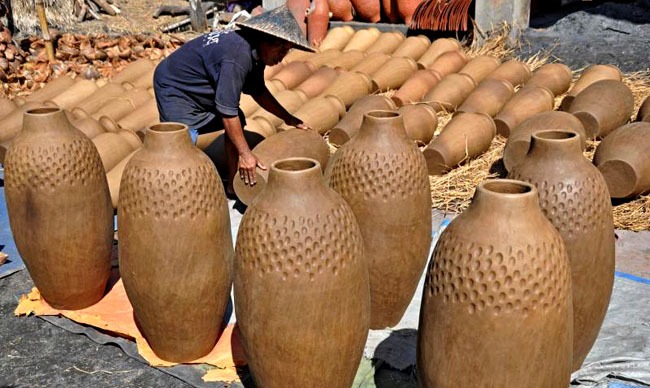
Sentani Pottery: The Sentani tribe is famous for its unique pottery, often decorated with geometric and animal patterns, which are significant cultural items.
Perahu Dayung (Paddle Boat): Traditional canoes and longboats are essential cultural artifacts, central to ceremonies and daily life on Lake Sentani and the coastal areas.
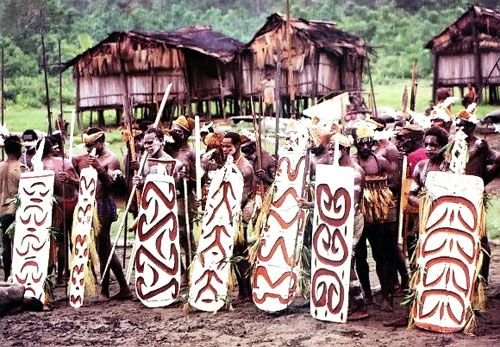
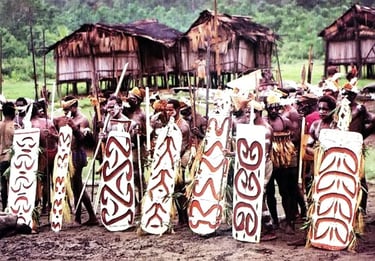
Traditional Shields: Coastal tribes are known for crafting large, richly carved wooden shields used in traditional warfare and ceremonies, often featuring ancestral motifs.
Traditional Houses and Clothing of Papua Province (Papua)
The traditional architecture and clothing reflect the coastal and riverine habitats and the spiritual beliefs of the major tribes.
🏠Traditional House : Honai, Kariwari, and Mod Aki Aksa
Kariwari (Coastal/Sentani Traditional House)
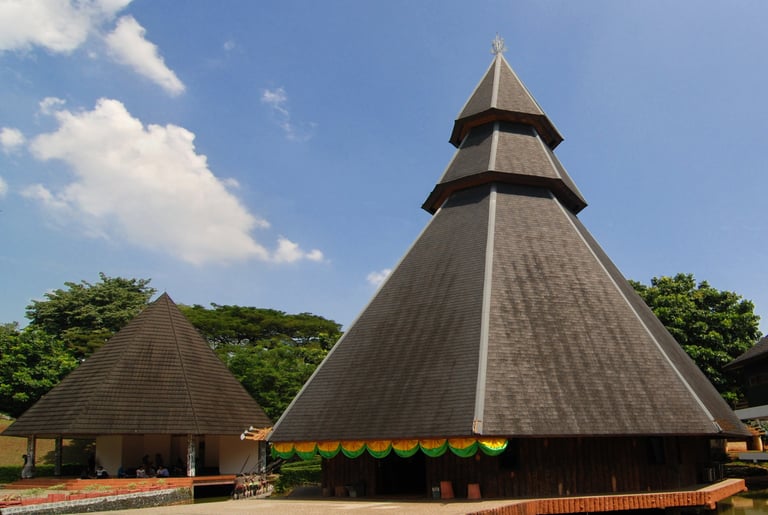
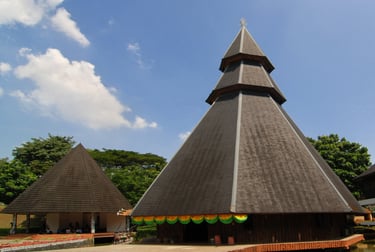
Kariwari While generally a communal house, the structure represents the traditional architecture common to the coastal tribes around Jayapura and Lake Sentani. It is a large, stilt house built above land or water, often with an octagonal or square base.
Architecture It is built with a distinctive pyramidal or multi-tiered roof made of thatch or sago leaves. The house stands on robust wooden stilts, necessary due to the often swampy coastal soil and the risk of flooding.
Honai (Highland Influence)
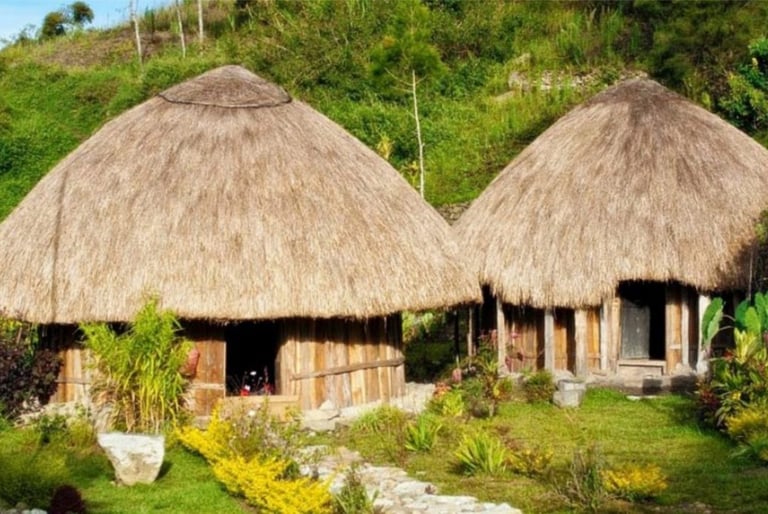
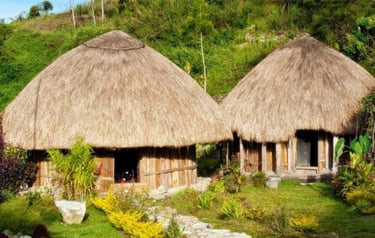
Honai Though primarily found in the neighboring Highland Papua, the small, circular hut remains a universal symbol of Papuan traditional architecture and is used by various groups in the lower mountain areas of Papua Province.
👘Traditional Clothing : Pakaian Adat Papua (Coastal Style)
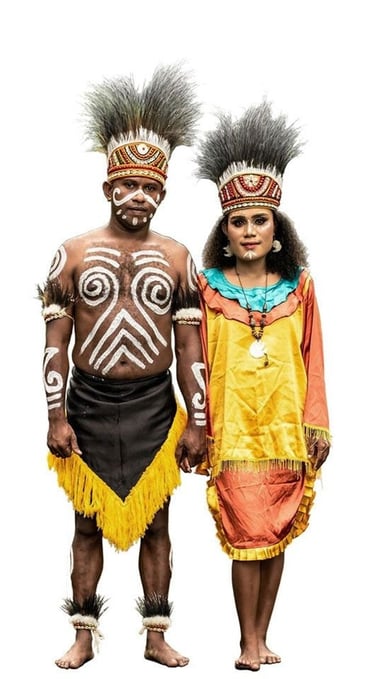
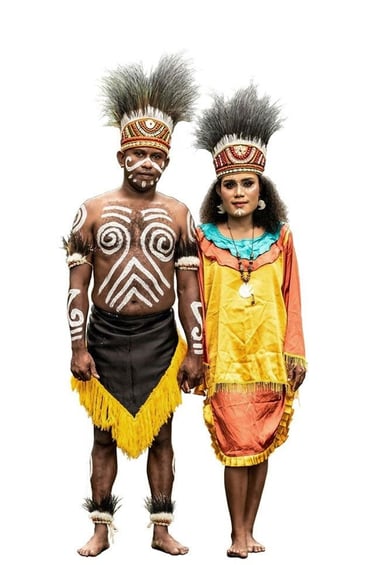
Pakaian Adat Papua (Papuan Traditional Attire) The attire is defined by its simplicity, modesty, and reliance on natural forest products, reflecting the indigenous lifestyle.
General Feature The clothing is predominantly made from woven grass, dried leaves, bark fiber (Rumbai), and the vibrant feathers of native birds, such as the Bird of Paradise. Ornaments use shells (bia), bones, and beads.
Men's Attire (Baju Adat Laki-laki)
Rumbai dan Aksesori Men traditionally wear minimal clothing, historically consisting of a loincloth or short Rumbai (skirt/sash) made of woven materials around the waist. The body is heavily adorned with accessories, including elaborate necklaces made of shells or animal teeth, and distinctive feathered headdresses symbolizing status and bravery.
Women's Attire (Baju Adat Perempuan)
Rok Rumbai dan Kemben Women wear a skirt (Rok Rumbai) made of woven straw or bark fiber, often layered. The upper body may be covered with a simple Kemben (chest wrap) or vest made of bark cloth. Accessories include large shell or bead necklaces and the Noken (woven bag).
🍲Distinctive Traditional Cuisine
Papuan cuisine is centered on sago and the bounty of the sea and rivers.
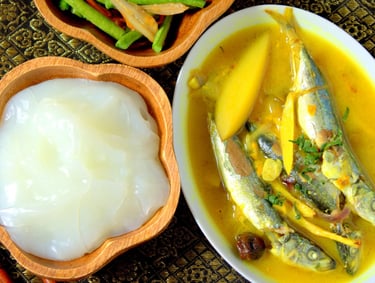
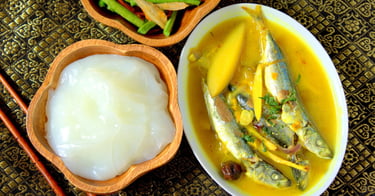
Papeda: The regional staple, a gelatinous porridge made from sago starch, which is tasteless and consumed with a pair of sticks, often served with rich, tangy fish soup.
Ikan Kuah Kuning (Yellow Fish Soup): The classic accompaniment to Papeda in the coastal regions. Fresh sea or river fish is cooked in a light, sour, and spicy broth made potent with turmeric, lemon/lime, and chilies.
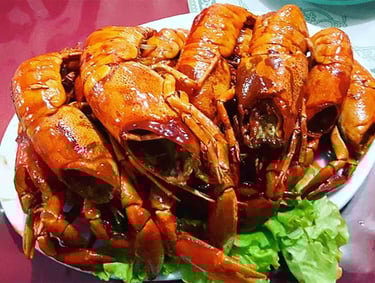
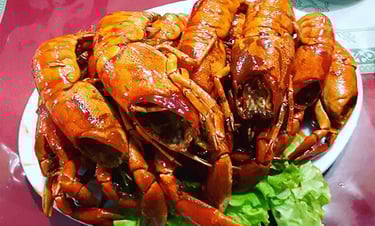
Udang Selingkuh (Flirting Shrimp): A delicacy from the Sentani area. Large river prawns that have unusually large claws (hence the name), typically grilled or fried and known for their sweet, succulent meat.
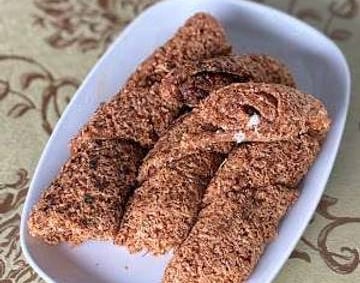
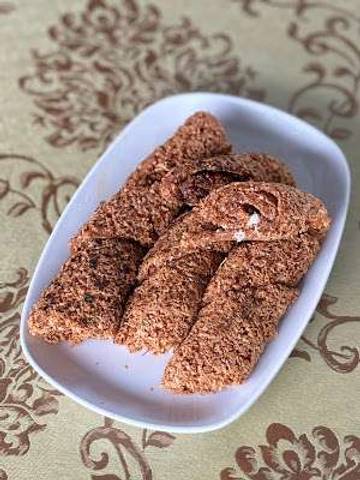
Sinole: A simple, sweet snack made from sago flour mixed with grated coconut and sugar, pan-roasted until crumbly.


🗺️Famous Tourist Attractions
Lake Sentani: The vast lake west of Jayapura, famous for its floating villages, traditional fish farming, and the annual Lake Sentani Festival, a major cultural celebration.
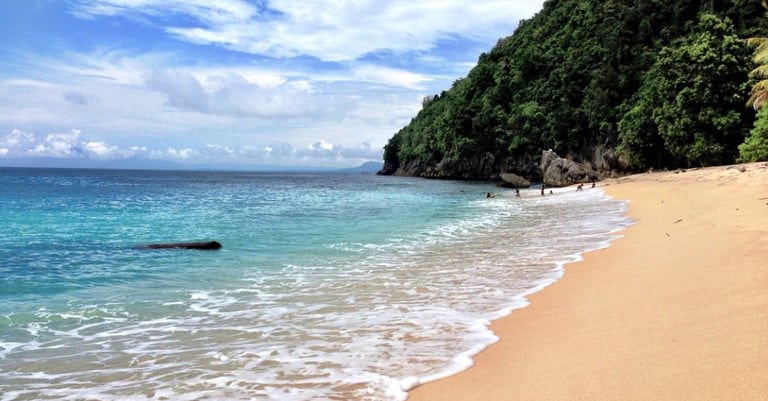
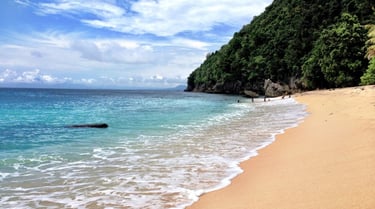
Base-G Beach: A beautiful white-sand beach near Jayapura, popular for recreation and historical site viewing (WWII relics).
Cenderawasih University Museum (Loka Budaya): Located in Jayapura, it hosts the most comprehensive collection of Papuan artifacts, including tribal weapons, traditional clothing, and cultural symbols.
Dinas Kebudayaan dan Pariwisata (Customs Office): This office in Jayapura acts as a central hub for finding information about various tribal areas.


✈️Transportation Infrastructure
Transport is crucial for connecting the vast, challenging terrain of the region.
Airport (Bandar Udara):
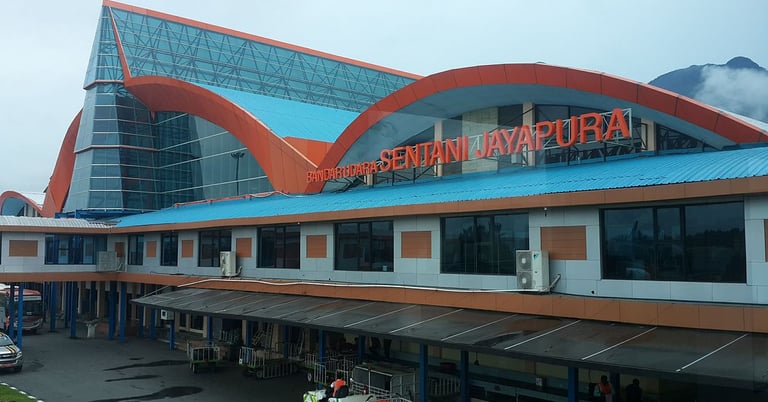
Sentani International Airport (DJJ): Located near Jayapura, this is the main hub and international gateway for all of Indonesian Papua, serving flights to Jakarta, Makassar, and other major cities.
Port (Pelabuhan):
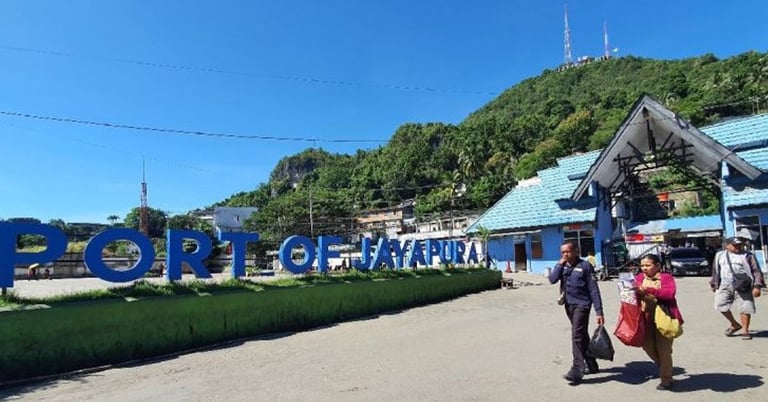
Port of Jayapura: The primary and busiest commercial and passenger deep-sea port in Papua, handling large cargo ships and the major routes for Pelni passenger ships connecting the region to the rest of the archipelago.
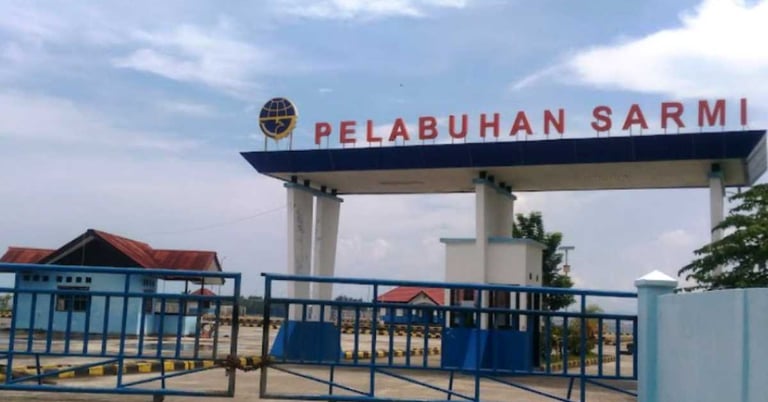
Port of Sarmi: A smaller coastal port supporting local maritime trade in the northern districts.
Railroad (Stasiun Kereta Api):
Papua Province does not have a functional railway network. Travel within the interior is heavily dependent on air travel (pioneer airlines like Susi Air) and river transport (Mamberamo River).
Papua Province stands as the vibrant, welcoming gateway to the world's most unique island. It is where the modern city of Jayapura meets ancient traditions on the shores of Lake Sentani and where the Pacific Ocean defines life, inviting visitors to experience the unparalleled cultural and natural richness of this northern territory.
Follow us to explore Indonesia with expert travel guidance
©PT.Sinar Pesona Travelindo 2025. All rights reserved.