



Riau Province
A Comprehensive Look at Riau Province
Riau Province: The Heartland of Malay Culture and Oil Wealth
Riau is a significant province located on the central-eastern coast of Sumatra Island, Indonesia. Known historically as the center of powerful Malay kingdoms and currently as a hub for resource extraction and large-scale plantations, Riau offers a unique blend of coastal Malay culture and modern industrial development.
🏛️Capital City
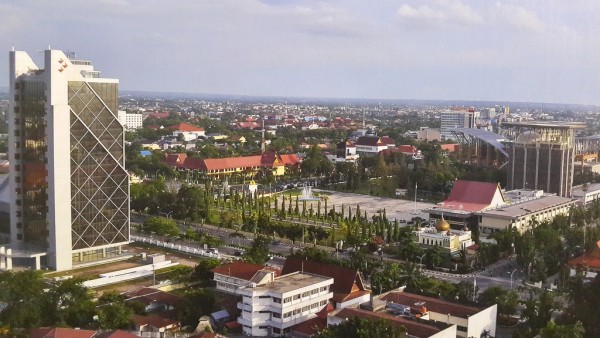
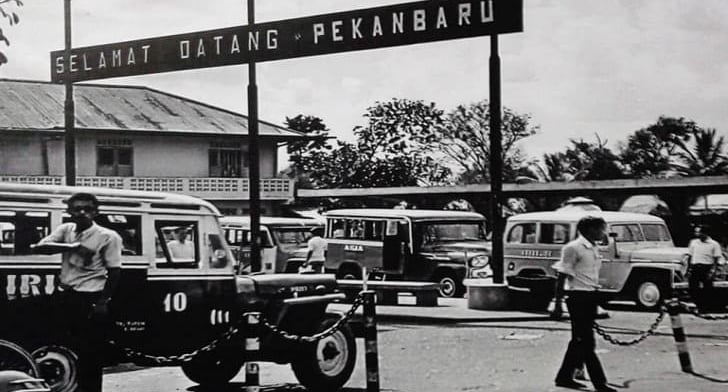
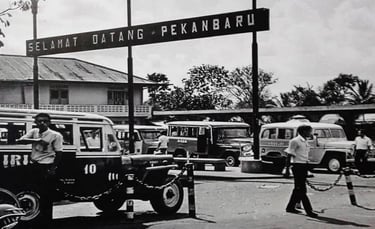
Capital City: Pekanbaru. Pekanbaru is the economic heart of Riau and a major industrial and trade center on Sumatra Island, strategically located on the Siak River.
Ethnic Groups: The indigenous and dominant cultural group is the Malay (Melayu) people, who primarily inhabit the coastal and riverine areas. However, Riau's resource-rich economy has attracted a vast number of immigrants. Significant populations include:
Javanese: Largely descendants of government transmigration programs.
Batak: Primarily coming from the neighboring North Sumatra province.
Minangkabau: From the neighboring West Sumatra province.
Language: The official language is Bahasa Indonesia. The local vernaculars are various dialects of Malay Riau, which is highly regarded for its purity and historical connection to the national language.
Religion: The vast majority of the population is Muslim, reflecting the deep Islamic influence on Malay culture.
🏞️Geography and Natural Conditions
Riau's geography is characterized by its strategic location and dominant lowlands.
Strategic Location: Riau faces the Malacca Strait, one of the busiest shipping lanes in the world, making its capital, Pekanbaru, and port cities vital for regional and national trade.
Topography: The province consists mostly of flat, swampy coastal plains and peatlands, which are highly suitable for the large-scale cultivation of palm oil and industrial timber (acacia).
Major Rivers: Several large rivers, such as the Siak River, flow through the province, serving as historical transportation routes and the centers of early Malay civilization.
👥Demographics and Population
Riau is one of the fastest-growing provinces in Indonesia, with a population of approximately 6.8 million people.
📜History: The Zenith of Malay Identity
The history of Riau is inseparable from the history of the Malay people, language, and trade.
Srivijaya Influence: In the early centuries, the region was heavily influenced by the Srivijaya Maritime Empire, which controlled the crucial trade routes through the Malacca Strait.
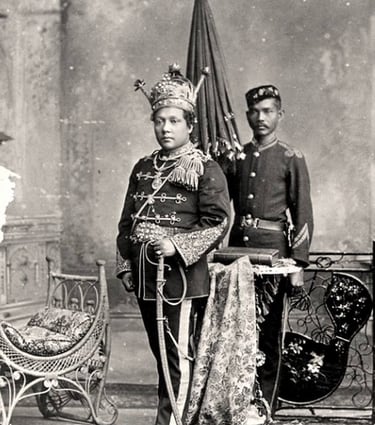
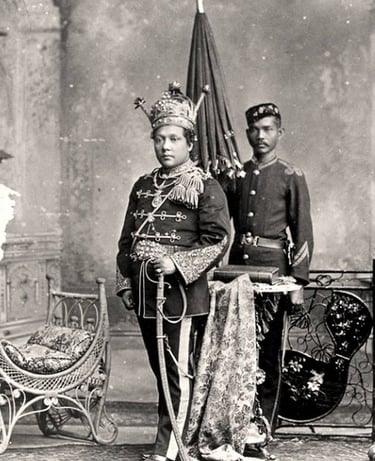
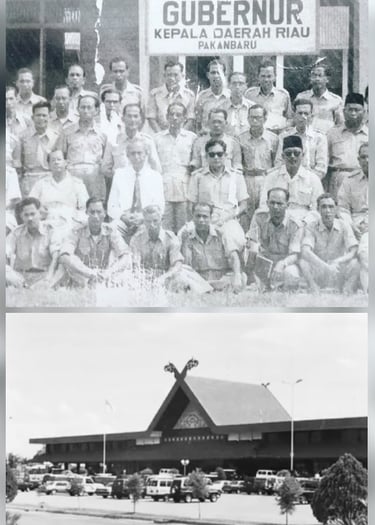
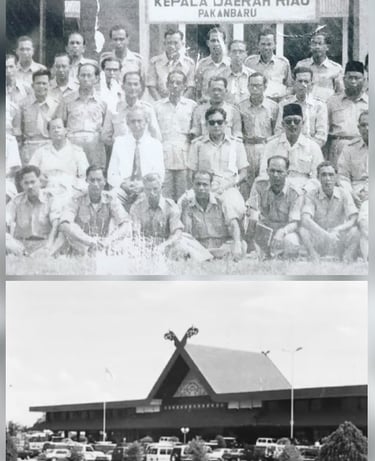
The Malay Sultanates: Following the decline of Srivijaya, Riau became the heartland of subsequent powerful Malay political entities. The Sultanate of Siak Sri Indrapura (1723–1946) was one of the most prominent, exerting influence over trade and politics across a wide territory. The Malay language spoken in Riau's royal courts became the foundation for modern Bahasa Indonesia.
Colonial Period: The Dutch recognized the strategic importance of Riau due to its position along the strait. The discovery of large oil reserves in the region (starting in the 1930s and accelerating post-1945) dramatically changed the province's economic trajectory, leading to significant industrial development.
🎨Culture, Customs, and Traditional Arts
Riau's culture is a pure expression of the traditional Malay way of life, heavily shaped by Islamic values and life along the rivers and coast.
Adat (Customs): Malay customs, known as Adat Melayu, are centered on courtesy, community respect, and religious piety. The social structure revolves around the mosque, the village hall (balai), and the palace (historically).
Traditional Arts:
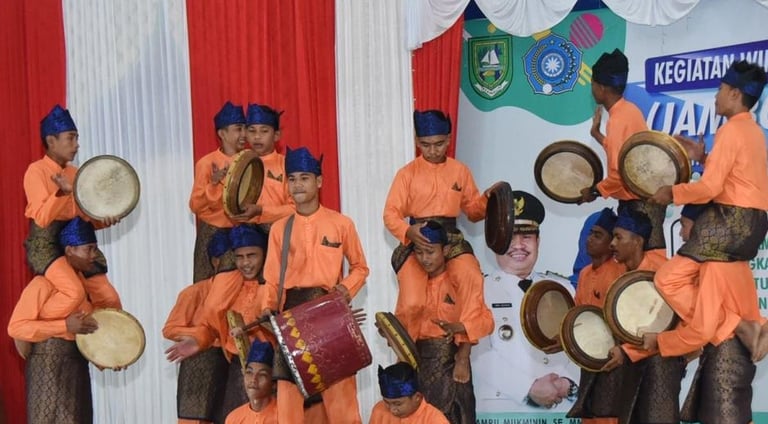
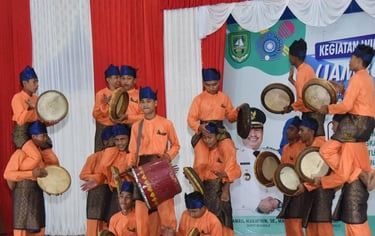
Ghobah Music: Traditional Malay music, often played with instruments like the gong, rebana (frame drum), and gambus (lute).
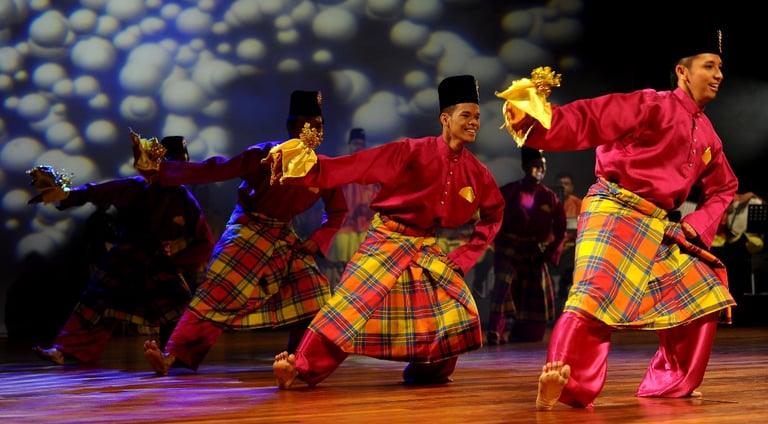
Zapin Dance: A popular and elegant Malay dance, believed to have originated from Arabian influences, characterized by fast foot movements and graceful hand gestures.
Poetry: Riau is famous as the land of Malay literature and poetry, particularly the Pantun (a four-line poetic form) and Syair (narrative poetry).
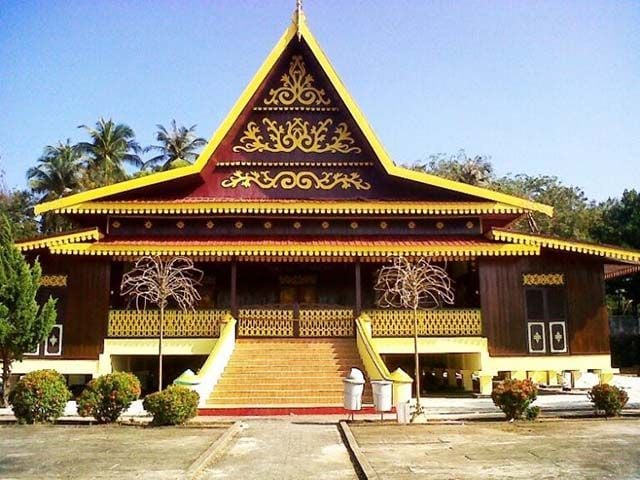
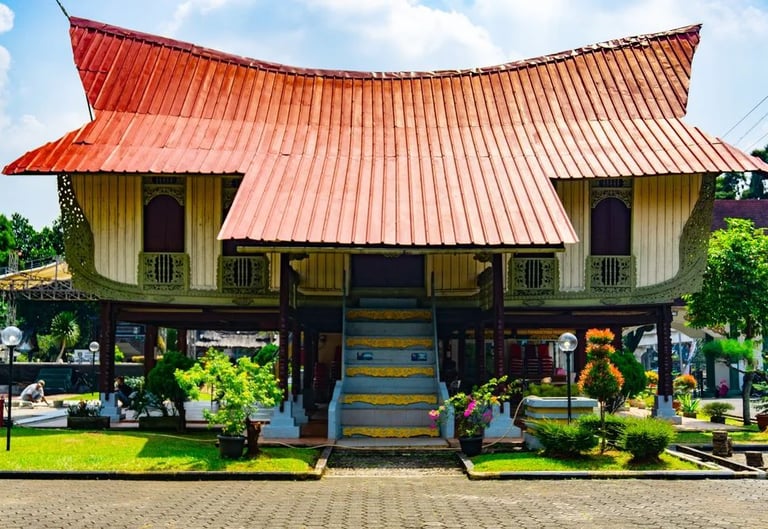
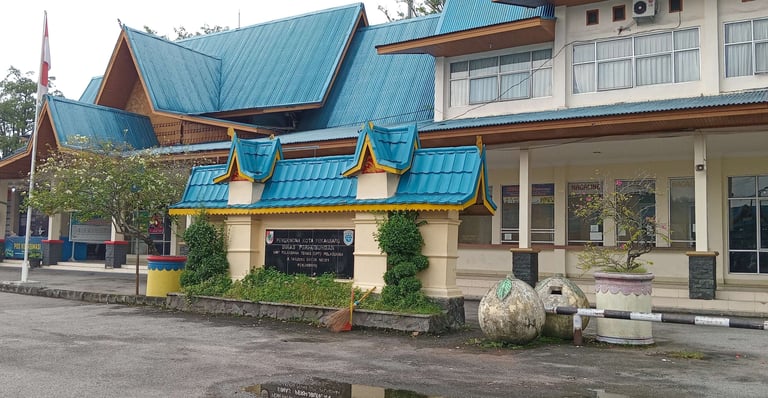
Architecture: Traditional Malay houses are built on stilts to adapt to the swampy or riverine environment and feature intricate wood carvings.
🍲Distinctive Cuisine
Riau cuisine reflects its riverine and coastal environment, emphasizing freshwater fish, seafood, and the use of coconut milk and turmeric.
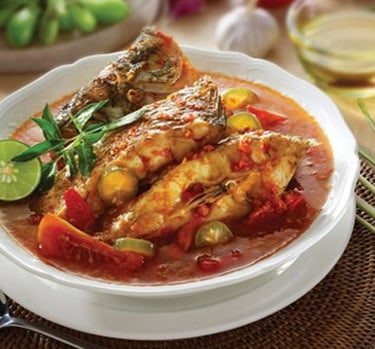
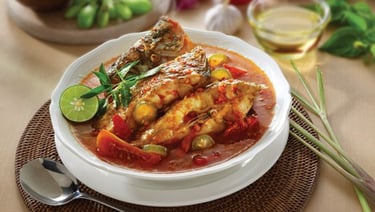
Gulai Ikan Patin: The most famous Riau dish—river catfish (Patin) cooked in a rich, yellow curry (Gulai) made with coconut milk and turmeric.
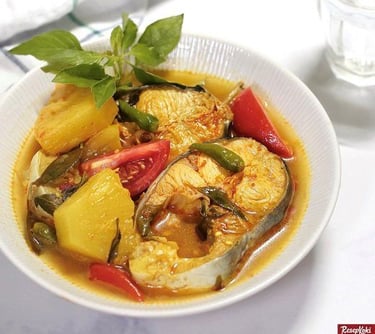
Asam Pedas Ikan Patin: A sour and spicy soup featuring catfish, where the sourness comes from tamarind (asam).
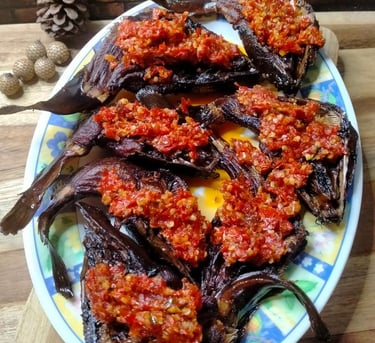
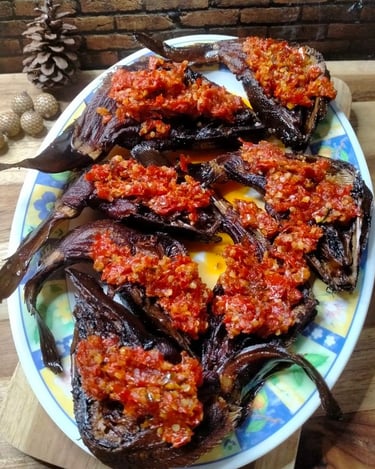
Nasi Lemak Riau: Although common in the Malay world, the Riau version is unique, often served with small fried fish, anchovies, and a specific spicy-sweet sauce.
Bolai Ikan Salai: Smoked freshwater fish cooked in a spicy coconut sauce.
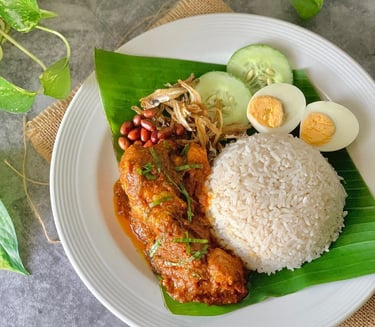
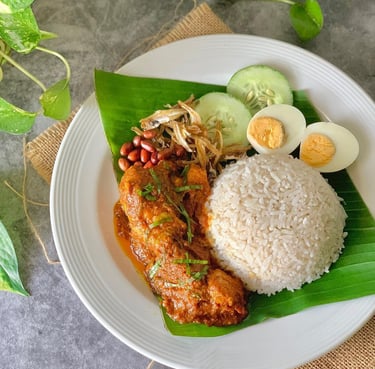
🏠Traditional House : Rumah Selaso Jatuh Kembar
Traditional House (Rumah Adat)
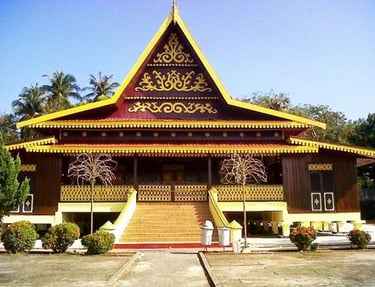
Rumah Selaso Jatuh Kembar This traditional hall is the most prominent Rumah Adat of Riau. It is a stilt house built on strong wooden piles, designed to adapt to Riau's geographical conditions of swamps and rivers. Its name, "Twin Sunken Hall," refers to the Selaso (porch/veranda) that surrounds the main structure, where the floor level is lower than the central room. It primarily functions as a place for community meetings, traditional ceremonies, and social gatherings, symbolizing togetherness and shared governance.
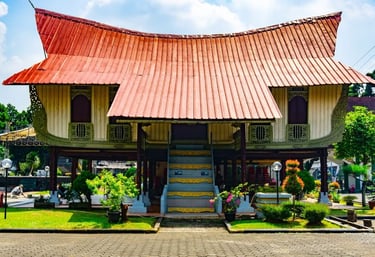
Alternative House Style Rumah Lontik (or Rumah Lancang) Another notable style, particularly found in the Kampar region. It is characterized by its slightly curved roof that resembles a boat (or lancang), with its pointed ends said to resemble buffalo horns, showing Minangkabau influence.
👘 Traditional Clothing : Teluk Belanga and Baju Kurung
Men's Attire (Baju Adat Laki-laki)
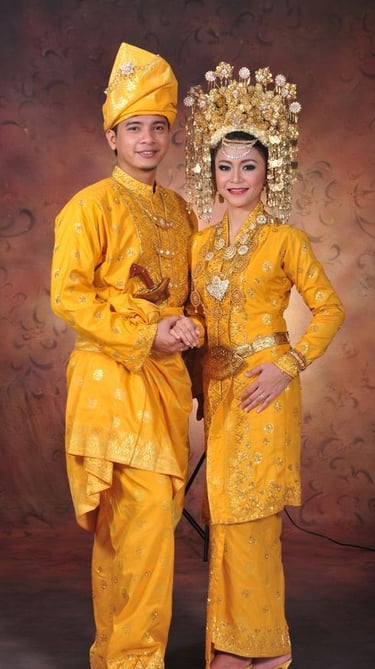
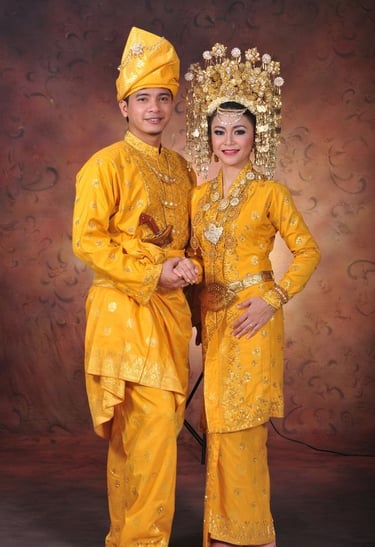
Teluk Belanga This is a traditional male attire consisting of a loose-fitting, simple shirt with long sleeves, often paired with matching trousers. The shirt has a round neckline that is slightly slit and often uses a small button called tulang belut. It is typically completed with a sarong or songket fabric wrapped around the waist and a traditional Malay headpiece called a Tanjak (a folded piece of songket cloth).
Women's Attire (Baju Adat Perempuan)
Baju Kurung and Kebaya LabuhWomen typically wear the Baju Kurung, a loose-fitting, long-sleeved blouse that is modest and elegant. The Kebaya Labuh is a variation that is cut longer, covering the hips down to the knees. Both tops are paired with an exquisitely woven Songket fabric as the skirt, and the entire outfit is often adorned with gold jewelry.

🏞️Famous Tourist Attractions
Riau's tourist attractions often highlight its historical kingdoms and unique natural environment.
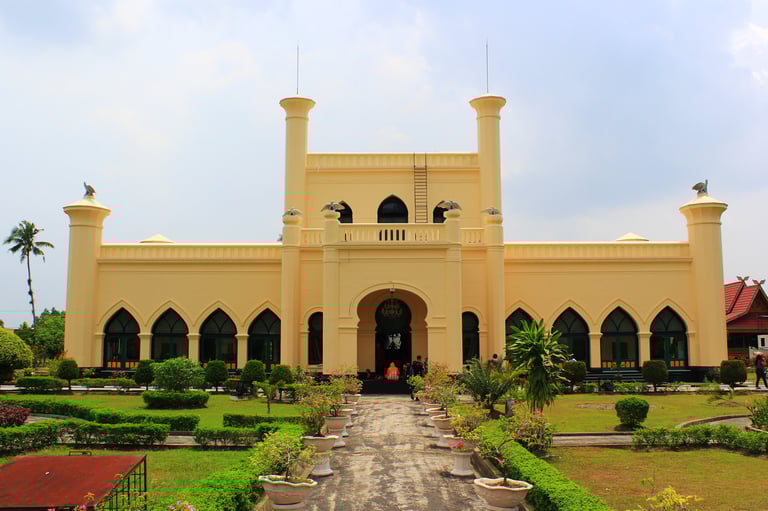
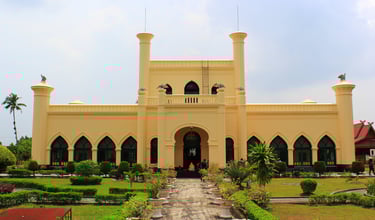
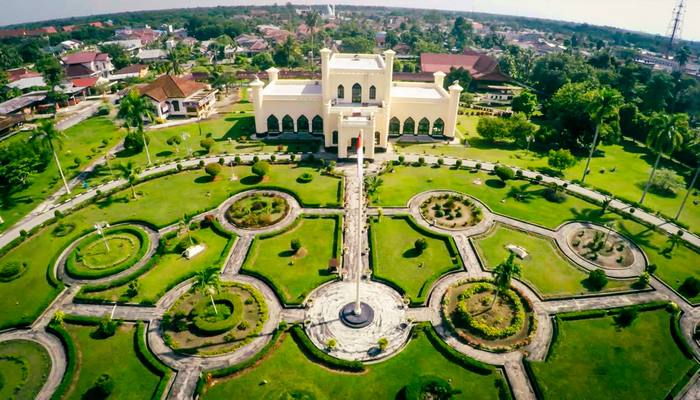
Siak Sri Indrapura Palace (Istana Siak): Located in Siak Sri Indrapura, this well-preserved palace was the official residence of the Sultan of Siak. Built in 1889, it features European and Malay architectural influences and houses royal artifacts, including the legendary Komet musical instrument.
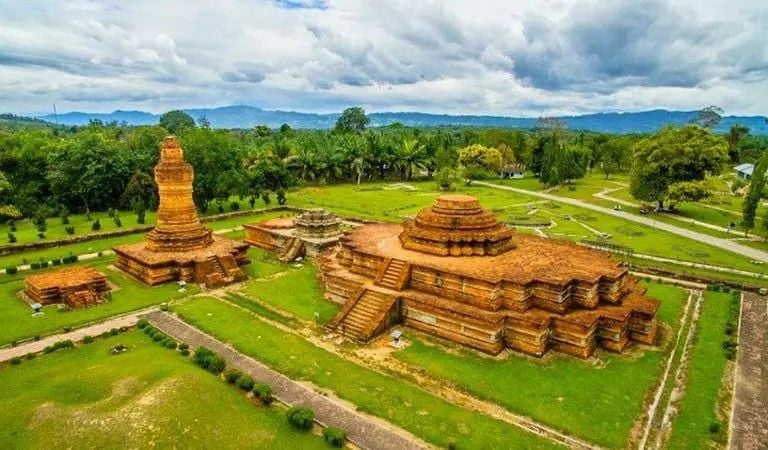
Pekanbaru's Muara Takus Temple: Although geographically closer to West Sumatra, this 11th-century Buddhist temple complex is historically significant and accessible from Pekanbaru.
Taman Alam Mayang (Pekanbaru): A popular family recreational area featuring lakes and various activities, offering a break from the city's hustle.
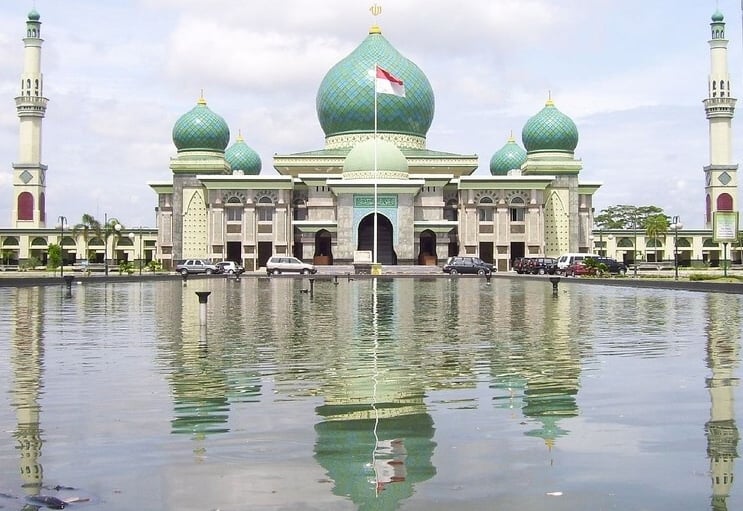
Religious Tourism: Masjid An Nur (Pekanbaru), often referred to as the "Taj Mahal of Riau" due to its stunning and grand architecture.
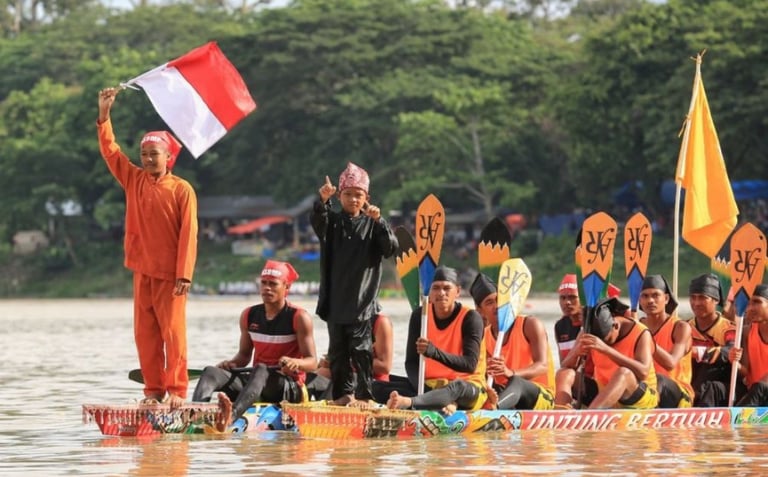
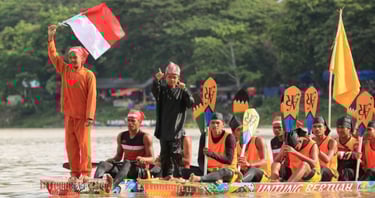
Ogak-Ogak and Pacu Jalur (Events): While not permanent sites, the traditional Pacu Jalur (long boat race) in nearby Kuantan Singingi is a major cultural event that draws thousands of visitors.


✈️Transportation Infrastructure
Riau Province's infrastructure is dominated by air and river networks, essential for connecting its vast lowlands and facilitating the transport of its major commodity exports.
Airport (Bandar Udara):
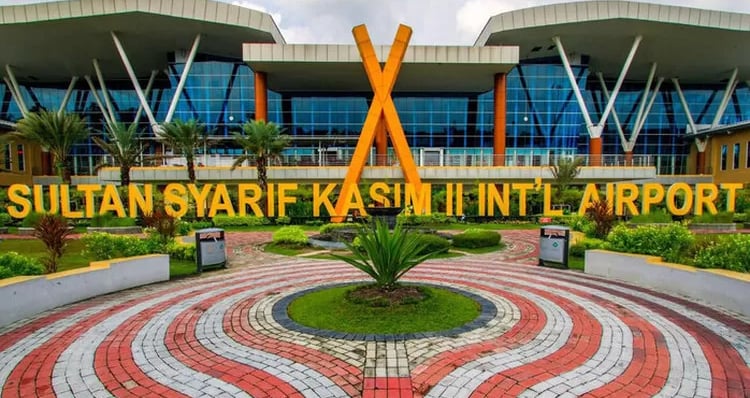
Sultan Syarif Kasim II International Airport (PKU): Located in Pekanbaru, the provincial capital. This is the main airport, serving extensive domestic routes across Indonesia and international flights to regional hubs like Malaysia.
Port (Pelabuhan):
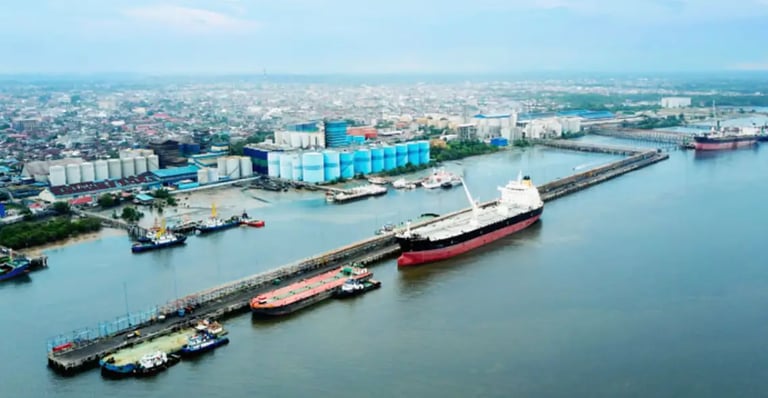
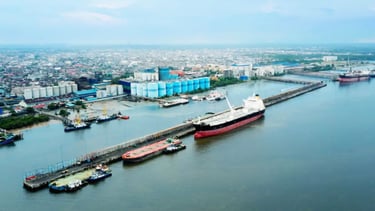
Dumai Port: One of the busiest industrial and commercial ports in Riau, crucial for the export of palm oil and other commodities, given its strategic location on the Malacca Strait.
Pelabuhan Sungai Duku (Pekanbaru): Located on the Siak River, this port remains vital for river transportation, connecting Pekanbaru to smaller towns and facilitating goods transport.
Numerous River Ports: Given the numerous large rivers (Siak, Kampar, etc.), river transport is historically and currently essential for regional connectivity and resource logistics.
Railroad (Stasiun Kereta Api):
Riau Province does not have any active passenger train services connected to the major national Indonesian railway network. Transportation within the province relies heavily on road networks, complemented by air and river transport.
Riau stands as a vital region of Indonesia, holding the historical key to the Malay identity while simultaneously driving economic growth through its natural resources and strategic location.
Follow us to explore Indonesia with expert travel guidance
©PT.Sinar Pesona Travelindo 2025. All rights reserved.