



Southeast Sulawesi Province
A Comprehensive Look at Southeast Sulawesi Province
💎Southeast Sulawesi Province : Land of the Butonese Seafarers
Southeast Sulawesi (Sultra) occupies the southeastern arm of the island, along with its numerous large and small offshore islands, including Buton and Muna. The province is characterized by its significant deposits of nickel and asphalt, and its dominant cultural identity is shaped by the Butonese people, historically renowned as powerful seafarers and owners of vast trading fleets.
🏛️Capital City and Geographical Conditions
Capital City: Kendari. Located on the mainland coast facing the Bone Gulf, Kendari is the administrative and commercial hub.
Geographical Conditions: Sultra's topography is a mix of mainland, islands, and coastlines.
Mainland Arm: Features rolling hills and coastal plains, important for agriculture and mining.
Islands: Dominated by the islands of Buton and Muna, which hold significant political and cultural weight. Buton Island is known for having one of the world's largest natural asphalt deposits.
Coastal Features: The province has numerous deep-water bays and protected coastlines, ideal for fishing and shipping.
Climate: Tropical monsoon, generally hot and humid, with a relatively high concentration of rainfall.
👥Demographics and Customs
Population: The population of Southeast Sulawesi is estimated at approximately 2.7 million people.
Ethnic Groups: The region is culturally diverse:
Butonese (Buton/Wolio): The dominant group, based primarily on Buton Island and its surrounding islands, known for their strict adherence to custom and their seafaring history.
Muna: The second largest group, inhabiting Muna Island, with distinct cultural and linguistic traits.
Tolaki: The main indigenous group on the mainland around Kendari, primarily agriculturalists.
Customs (Adat Istiadat): Culture is governed by the principles of the former Sultanate, emphasizing self-respect, community governance, and maritime law. Pekande-Kandea is a major traditional ceremony where food is served lavishly, often marking significant life events.
📜History: Sultanate Power and Maritime Networks
Southeast Sulawesi's history is heavily influenced by the power of its island-based kingdoms and their control over regional trade.
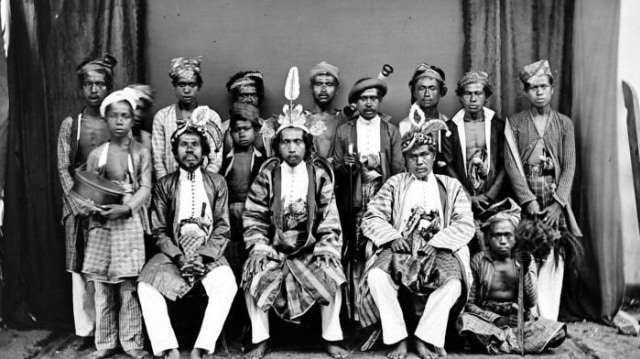
Buton Sultanate (14th Century – 1960s): The history of Sultra is inseparable from the Sultanate of Buton, one of the most powerful and longest-lasting maritime kingdoms in the archipelago. Its capital, Baubau, was a major hub for inter-island trade and a strategic naval power.
Islamic Influence: The Sultanate of Buton adopted Islam in the 16th century and became a center for its spread, deeply integrating faith into customary law (Adat).
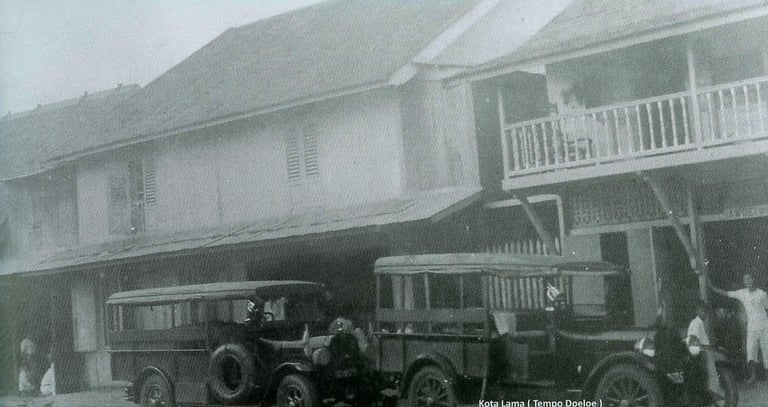
Colonial Period: The Dutch exerted influence primarily through treaties with the Sultanate to control trade, recognizing its administrative structure longer than many other kingdoms.
Provincial Identity: Sultra maintains a strong cultural identity distinct from the Bugis/Makassar influence of South Sulawesi, centered around the Butonese language and traditions.
🎨Culture and Traditional Arts
Sultra's culture is a blend of island ingenuity, royal refinement, and Islamic faith.
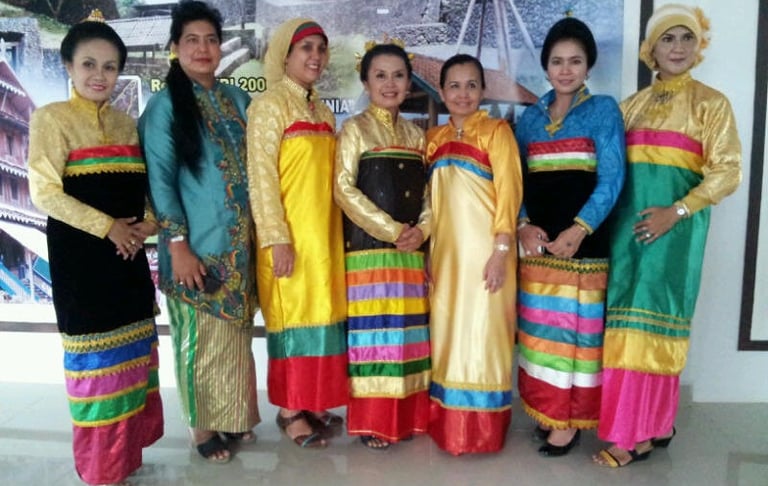
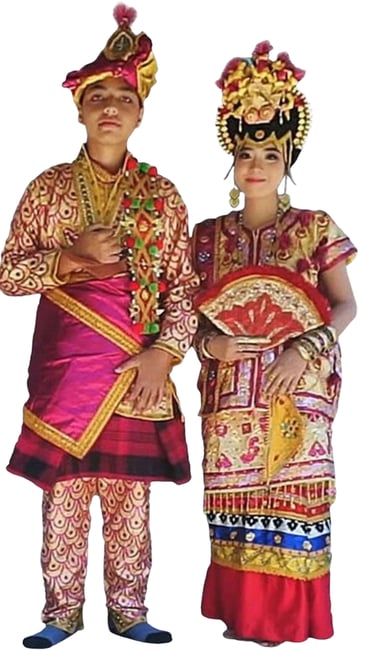
Baju Labalu and Baju Kombo: The distinct traditional clothing of the Butonese, famous for its colorful silk fabrics and intricate gold embroidery.
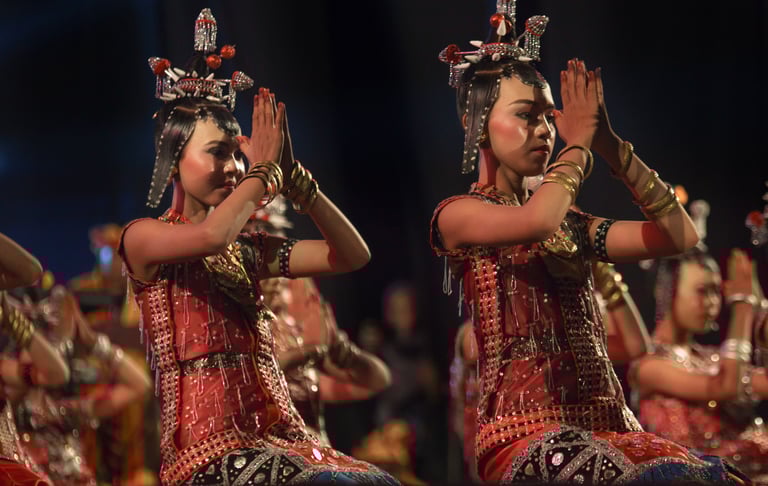
Tari Lariangi: A graceful and historically significant royal dance of the Buton Sultanate, often performed to welcome guests or during state ceremonies.
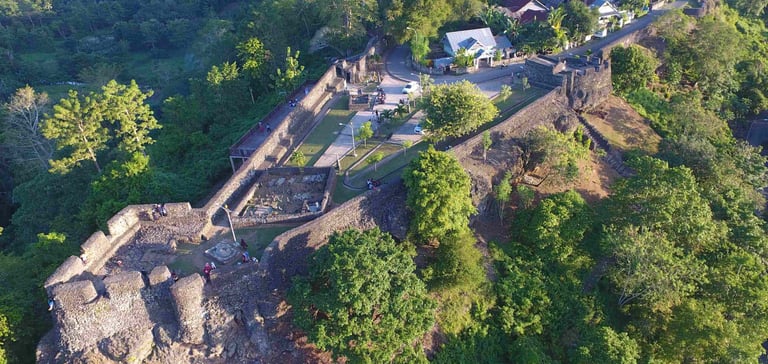
Benteng Keraton Buton (Buton Palace Fortress): The massive, historical stone fortress in Baubau, considered one of the largest single fortresses in the world, a symbol of the Sultanate's power.
Tenun Ikat: Traditional weaving is strong, producing highly prized, unique patterned cloths used for dowries and ceremonial wear.
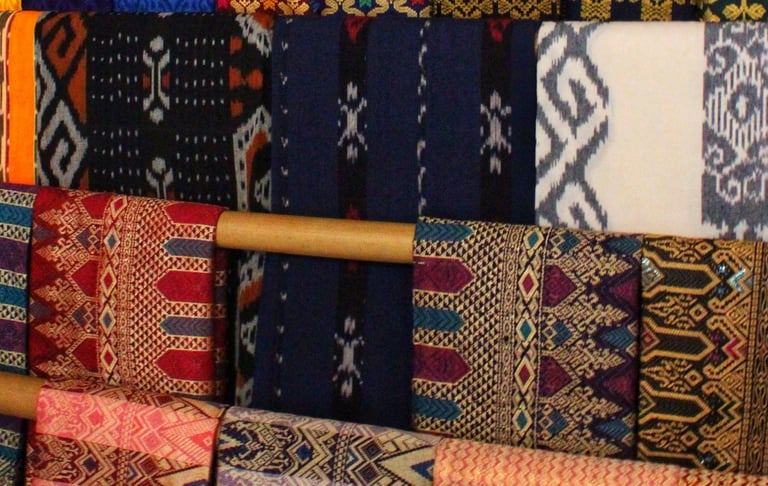
Traditional Houses and Clothing of Southeast Sulawesi Province (Sulawesi Tenggara)
Southeast Sulawesi's culture is dominated by the seafaring traditions of the Butonese people and the Tolaki ethnic group on the mainland.
🏠Traditional House: Banua Tada and Kamali
Banua Tada (Buton Traditional House):
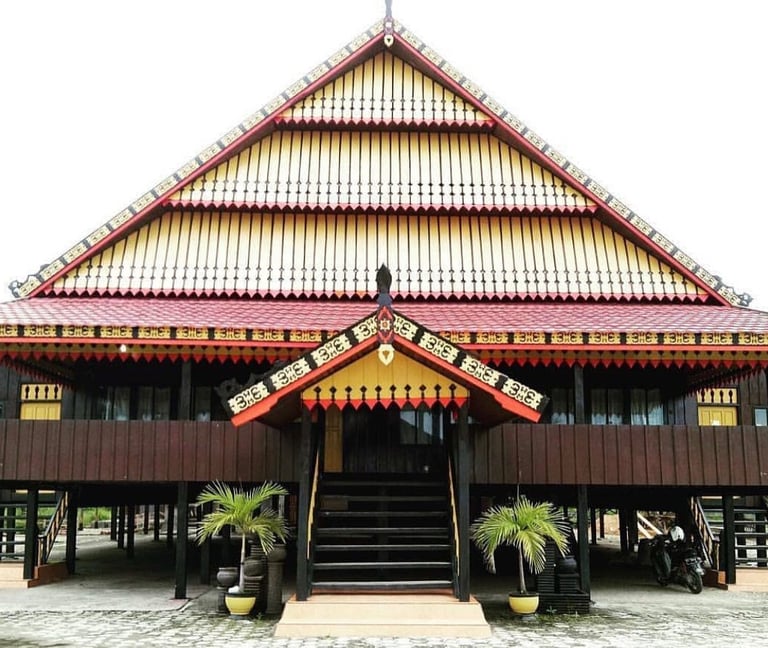
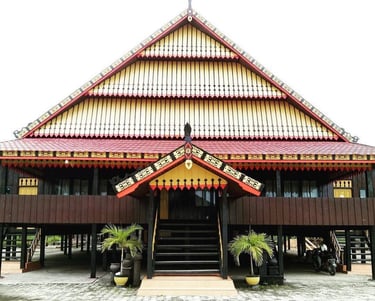
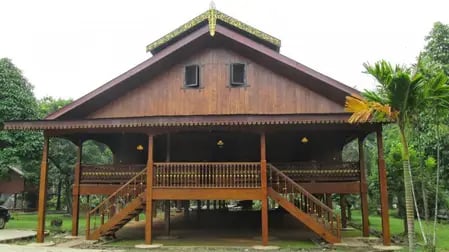
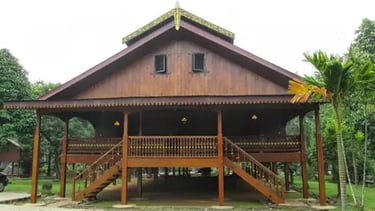
Banua Tada is the traditional house of the Butonese people, meaning 'House with the Unjoined Roof' or 'House with One Roof' (Tada). It symbolizes maritime simplicity and resilience.
Architecture It is a large, elevated stilt house (Rumah Panggung), made of wood and supported by high poles. Its characteristic structure is a multi-tiered, upward-sweeping roof, and the entire house is assembled without using nails, but rather wooden pegs, reflecting the Butonese shipwright skills.
Types The height and size of the poles often differ to distinguish between the houses of the nobility (Banua Tada Malige) and the commoners.
Kamali (Buton Palace):
Kamali is the Buton Sultanate palace. Literally meaning 'Residence', the palace features a magnificent architecture with three or four stories and tiered roofs. The Kamali is a central symbol of the Sultanate's power and maritime majesty.
Tolaki Traditional House:
The traditional house of the Tolaki people on the mainland is also a stilt house, typically built from ironwood (ulin) with sturdy pillars and a steep saddle roof, focusing on agrarian and familial functions.
👘Traditional Clothing: Baju Kombo and Baju Labalu (Buton)
Buton Traditional Attire:
This formal attire is famous for its luxurious materials (silk or velvet) and intricate gold embroidery, reflecting the royal history of the Buton Sultanate.
General Feature:
Velvet and Silk The clothing is made from expensive materials such as velvet and silk, often in vibrant colors like maroon, dark green, or golden yellow, adorned with intricate gold thread embroidery (kabanti) covering the chest and sleeves.
Gold Jewelry Luxurious accessories are essential, including the Simpolu (belt/sash) and Bangka (large bracelet) made of gold.
Women's Attire (Baju Adat Perempuan):
Baju Kombo and Lipa Women wear the Baju Kombo (long-sleeved blouse) paired with a rich silk sarong, Lipa. The most distinctive element is the tall, tiered crown-shaped headdress, decorated with flowers and ornaments called Katuko, symbolizing status and grace.
Men's Attire (Baju Adat Laki-laki):
Baju Labalu and Trousers Men wear the Baju Labalu (long-sleeved shirt/jacket) and matching trousers, typically made of black or maroon velvet, adorned with gold embroidery. The outfit is completed with a Sarong wrapped around the waist and a Passapu (traditional headcloth). Butonese men also carry a Kris or Badik as a complement of honor.
🍲Distinctive Traditional Cuisine
The cuisine emphasizes savory flavors, utilizing local staples like cassava and taro alongside fresh seafood.
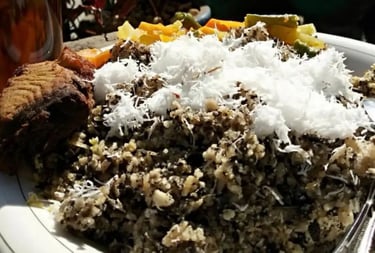
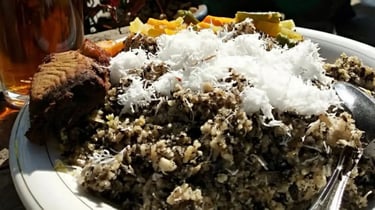
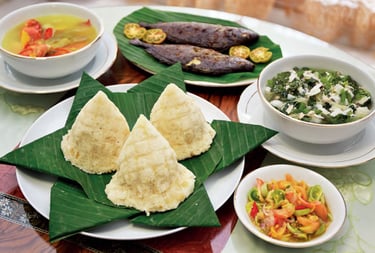
Kasopa (Kasubi Peapea): A staple food made from processed cassava/tapioca that is grated, pressed, and steamed to form a crumbly, coarse rice substitute. It is typically eaten with fish or vegetable curry.
Lapa-Lapa: A very popular savory snack, similar to ketupat. Glutinous rice is mixed with coconut milk, wrapped in palm leaves, and steamed until firm. It is usually served with Ikan Cakalang (skipjack tuna) or Sambal Ikan.
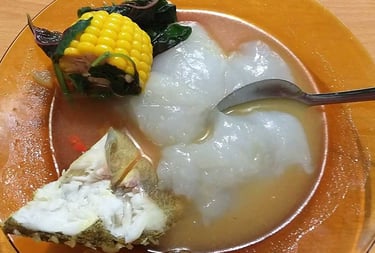
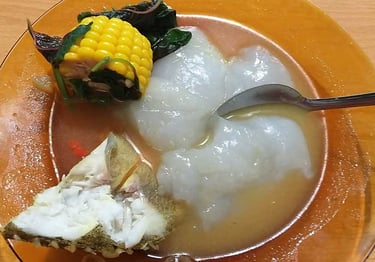
Sinonggi: A traditional staple of the Tolaki people. It is a sticky, gelatinous mass made from sago starch, often consumed by swirling it around a fork and dipping it into a rich, savory broth made from fish or chicken.
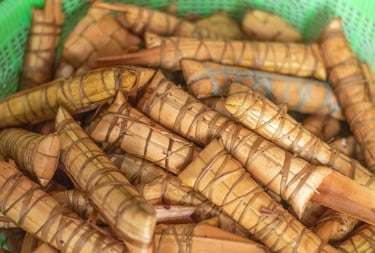
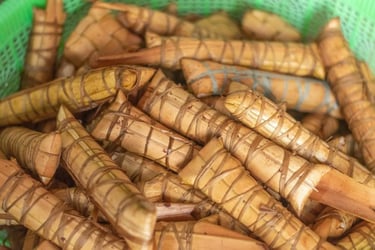
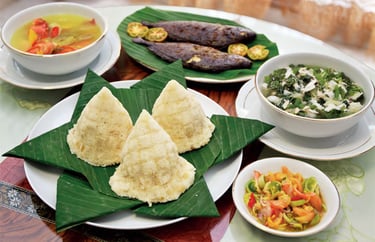
Kasuami: Another popular Butonese food made from grated and fermented cassava, shaped into a cone or triangle and steamed. It is the accompaniment of choice for many fish dishes, celebrated for its unique aroma.
🗺️ Famous Tourist Attractions
Sultra is a destination for historical, cultural, and marine tourism.
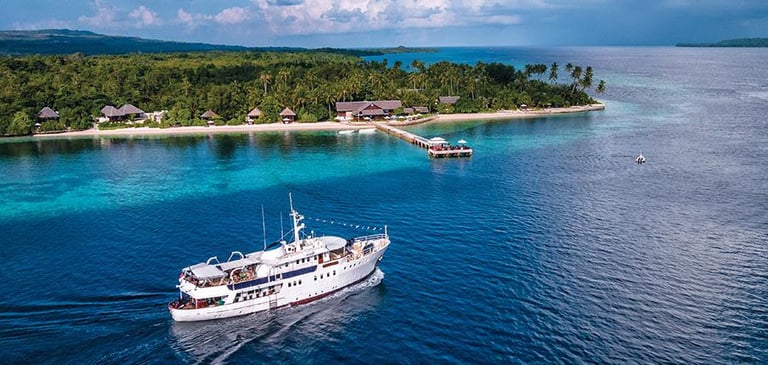
Wakatobi National Park: A world-renowned marine park located off the southeast coast, internationally famous for its pristine coral reefs, high marine biodiversity, and exceptional diving and snorkeling. It is often cited as a core part of the Coral Triangle.
Benteng Keraton Buton (Buton Palace Fortress): Located in Baubau, this historic fortress complex offers a deep dive into the history of the Buton Sultanate and commands stunning views of the sea.
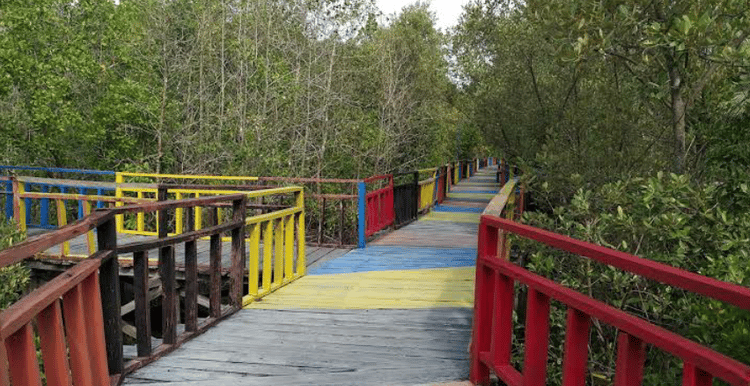
Hutan Wisata Mangrove Kendari: A large, protected area of mangrove forest in Kendari, offering nature trails and crucial habitat for coastal wildlife.
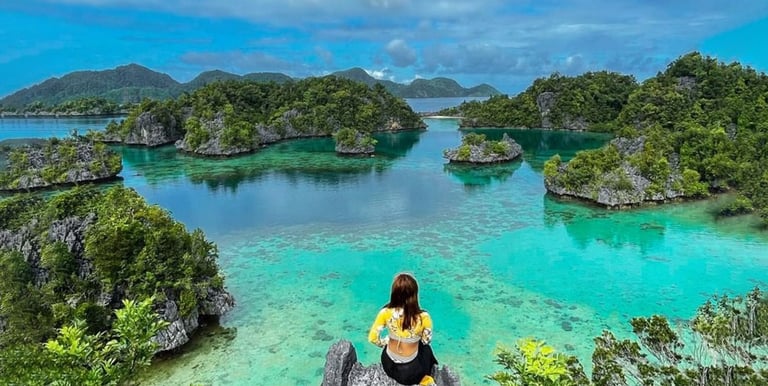
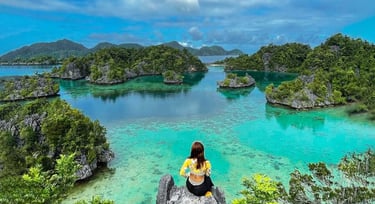
Pulau Labengki (Labengki Island): A beautiful cluster of islands known as the "miniature Raja Ampat," featuring stunning karst cliffs and hidden lagoons.


✈️Transportation Infrastructure
Sultra's transport network is crucial for connecting its many islands to the mainland and its capital.
Airport (Bandar Udara):
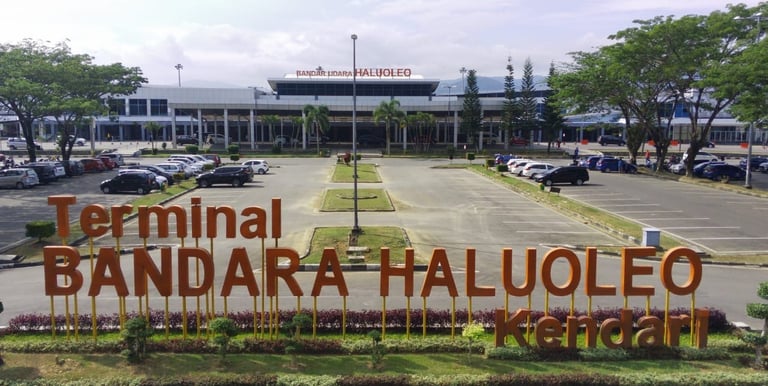
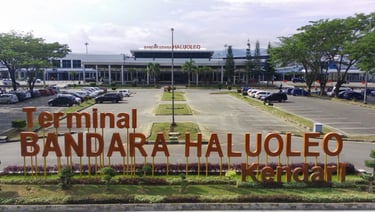
Haluoleo Airport (KDI): Located in Kendari, this is the main gateway, serving domestic routes to major cities like Makassar, Jakarta, and Surabaya.
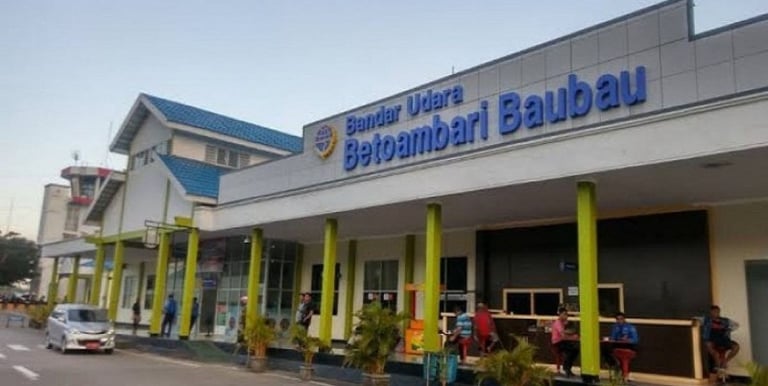
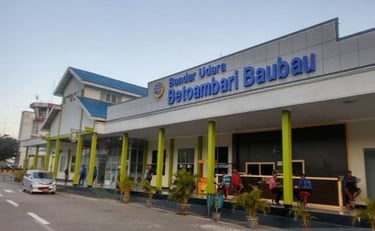
Betoambari Airport (Bau-Bau): A secondary airport serving Buton Island, connecting it to Kendari and other regional cities.
Port (Pelabuhan):
Kendari Port (Bungkutoko): The main commercial port handling general cargo and inter-island trade.
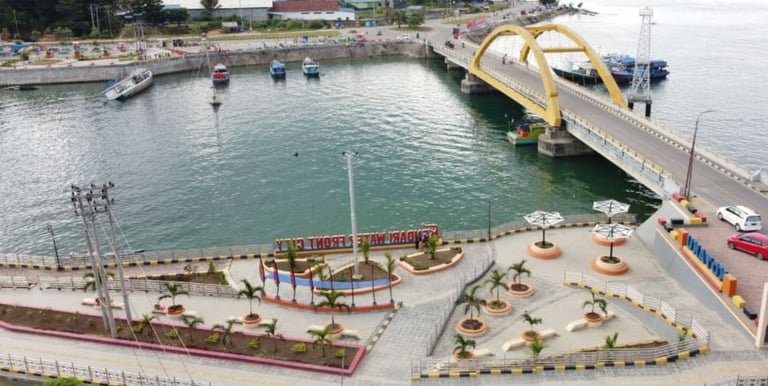
Baubau Port: A historically significant and still-busy port on Buton Island, crucial for passenger and cargo traffic linking the eastern islands.
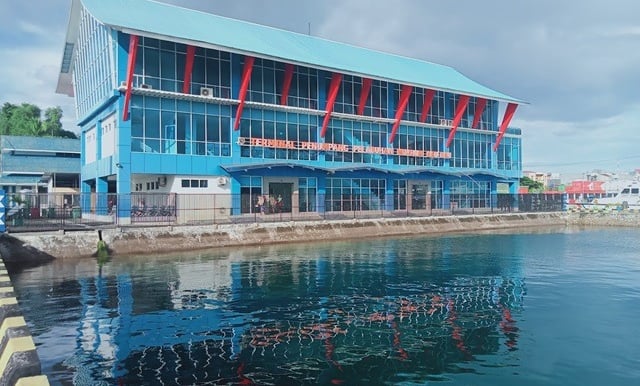
Ferry and Fast Boat Terminals: Numerous terminals link Kendari to Buton, Muna, and the Wakatobi islands, forming the backbone of inter-island transport.
Railroad (Stasiun Kereta Api):
Southeast Sulawesi Province does not have any active railway network or passenger train stations. Transportation relies entirely on its road networks and extensive maritime connections.

Southeast Sulawesi is a resilient and captivating island world, where the powerful history of the Buton Sultanate meets the unparalleled beauty of Wakatobi's reefs. It is a region defined by the strong, savory flavors of Kasuami and the deep maritime heritage of its people. From the mighty stone walls of the Buton Fortress to the peaceful fishing villages, Sultra offers a unique and authentic exploration into the eastern archipelago, inviting travelers to discover its dual riches of culture and deep-sea majesty.
Follow us to explore Indonesia with expert travel guidance
©PT.Sinar Pesona Travelindo 2025. All rights reserved.