


Southwest Papua Province
A Comprehensive Look at Southwest Papua Province
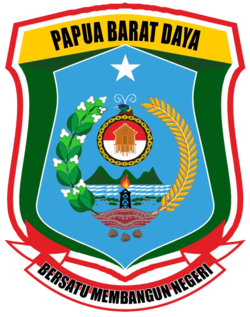
🐚Southwest Papua Province (Papua Barat Daya): The Gateway to Paradise
Southwest Papua (Papua Barat Daya) is Indonesia's 38th province, officially established in December 2022. Despite its name, it is geographically located on the northwest tip of the island of New Guinea, covering the region known as the "Bird’s Head Peninsula" (Kepala Burung). It is a region of immense strategic importance and unparalleled natural beauty, serving as the primary gateway to the world-renowned Raja Ampat islands.
🏛️Capital City and Geographical Conditions
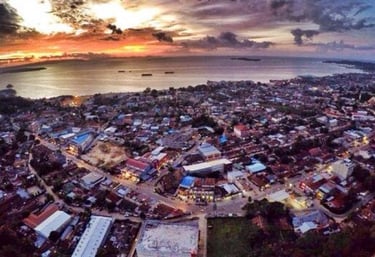
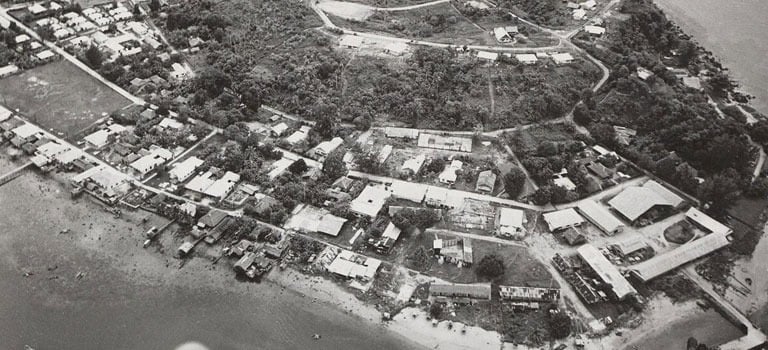
Capital City: Sorong. Known as the "Oil City," Sorong is a bustling industrial hub and the logistical entry point for the entire province.
Geographical Conditions: The province covers the greater Sorong area and the Raja Ampat archipelago.
Bird’s Head Peninsula: The mainland features rugged mountains (in the Tambrauw district) and dense rainforests rich in biodiversity.
Archipelagic Wonder: It includes the Raja Ampat regency, comprised of over 1,500 small islands, cays, and shoals surrounding the four main islands (Misool, Salawati, Batanta, and Waigeo).
Climate: Tropical rainforest climate, characterized by high humidity and significant rainfall year-round.
👥Demographics and Customs
Population: The population is estimated at approximately 600,000 to 650,000 people.
Ethnic Groups:
Moi: The indigenous tribe of the Sorong area, known as the original landowners of the city.
Ma'ya: One of the prominent tribes in Raja Ampat.
Maybrat and Tehit: Indigenous groups inhabiting the interior and southern parts of the province.
Immigrants: Sorong is highly cosmopolitan, with large communities of Bugis, Javanese, and Minahasan people driving the economy.
Customs (Adat Istiadat):
Sasi: A crucial marine conservation tradition (also found in Maluku) where a specific area of the sea is closed to fishing for a certain period to allow nature to replenish.
Mas Kawin (Dowry): In many local tribes (like the Moi and Maybrat), traditional fabrics (Kain Timur) and antique plates are essential parts of marriage dowries.

📜History: A New Chapter
While the province itself is new, the history of the region is ancient.
Sultanate Influence: Historically, the coastal areas of Raja Ampat and Sorong were under the influence of the Sultanate of Tidore (North Maluku). This interaction introduced Islam and the "Raja" (King) system to the islands.
The Four Kings: The name "Raja Ampat" (Four Kings) comes from a local myth about eggs that hatched into four kings who ruled the main islands.
Provincial Formation: Southwest Papua was officially separated from the West Papua province on December 9, 2022. The separation was aimed at accelerating infrastructure development, improving public services for the indigenous population, and managing the booming tourism industry more effectively.
🎨Culture and Traditional Arts
The culture of Southwest Papua is a blend of Papuan highland traditions and coastal Melanesian seafaring life.
Noken: The knotted net bag made from wood fiber, used to carry goods on the head. It is a symbol of Papuan identity and recognized by UNESCO.
Tumbu Tanah Dance: A traditional welcoming dance performed by the Arfak and other Bird's Head tribes, involving rhythmic jumping and stomping on the earth to celebrate peace or harvests.
Bird of Paradise (Cendrawasih): The Red Bird of Paradise (Paradisaea rubra) is endemic to Waigeo and Batanta islands. Its feathers were historically used in headpieces for tribal chiefs (though this is now discouraged for conservation).
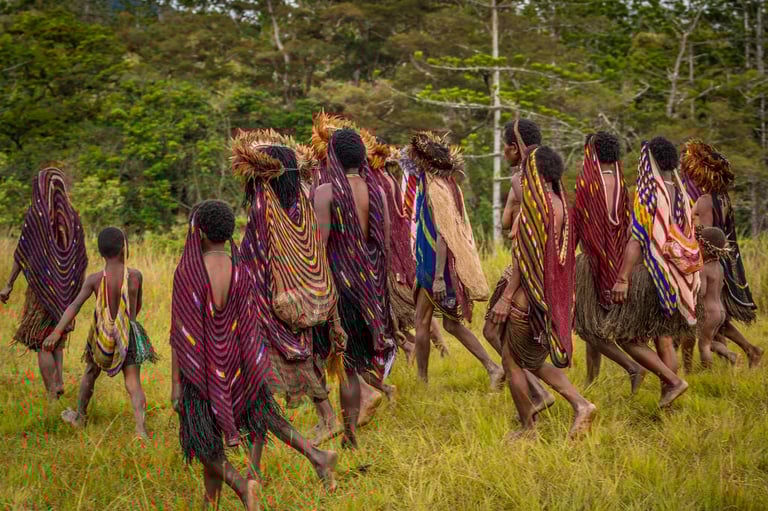
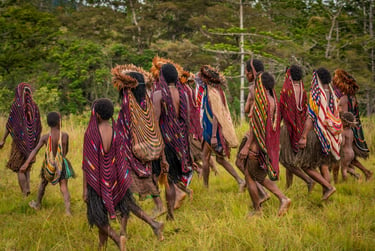
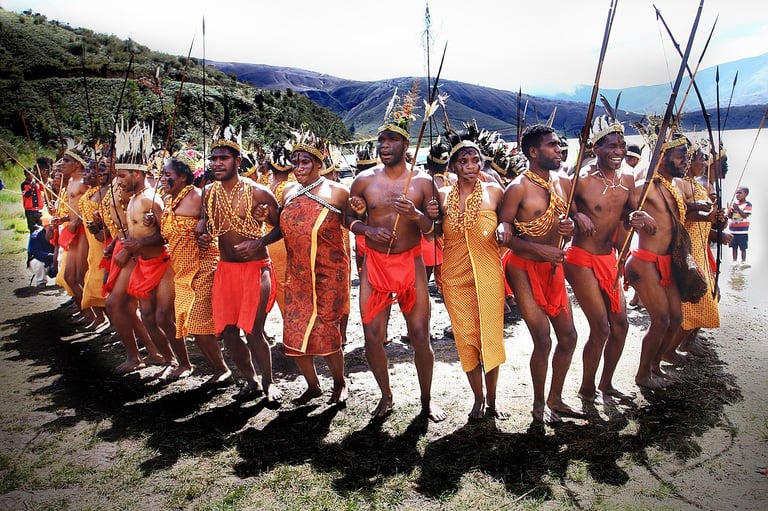
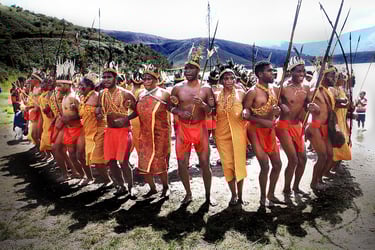


Traditional Houses and Clothing of Southwest Papua Province (Papua Barat Daya)
Southwest Papua is Indonesia's newest province, encompassing the culturally rich regions of Sorong and the Raja Ampat Islands. Its traditions are characterized by the Moi, Maybrat, and Biak (coastal) ethnic groups, reflecting a strong Melanesian identity tied to the sea and the forest.
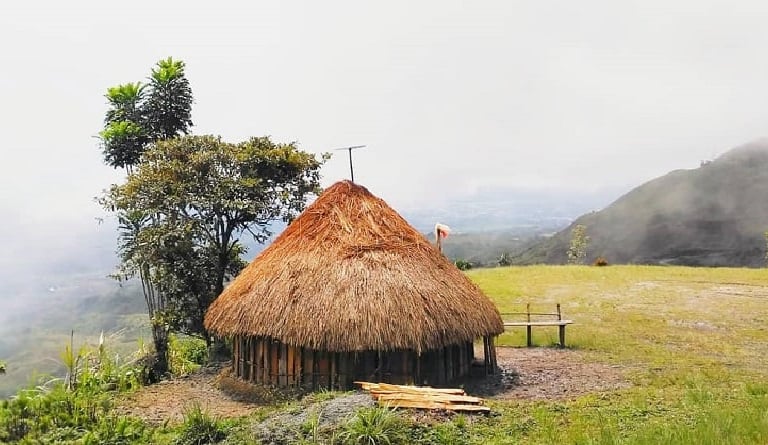
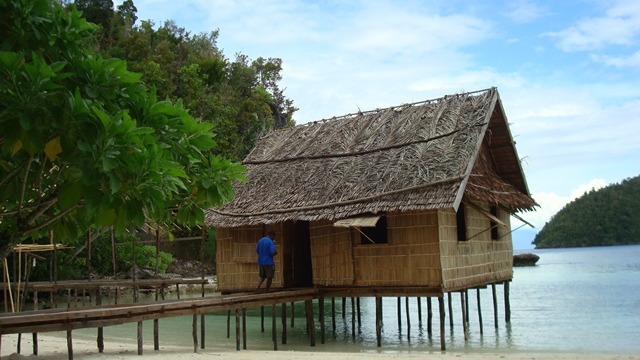
🏠Traditional House : Rumah Adat Raja Ampat and Kariwari
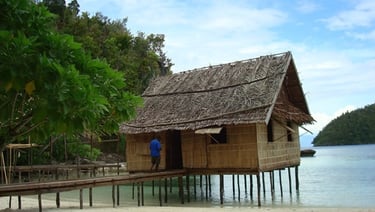
Rumah Adat Raja Ampat (Coastal Traditional House) Given the coastal and archipelagic nature of the province (Raja Ampat, Sorong), the dominant traditional dwelling is a stilt house built either on land or over shallow water, designed for high humidity and protection from coastal tides.
Architecture The houses are generally rectangular and built entirely from wood and natural materials like sago palm leaves or thatch for the roof. The structure is supported by strong wooden poles (tiang). The design often emphasizes large, open spaces to maximize air circulation.
Kariwari In the Raja Ampat islands, the Kariwari (shared with neighboring provinces) is a known communal structure. It is an octagonal or square stilt house with a high pyramidal roof, historically used for male initiation, learning traditional skills, and spiritual ceremonies.
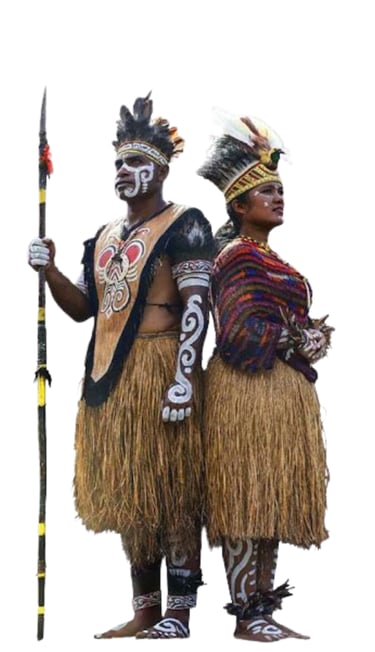
👘Traditional Clothing : Pakaian Adat Papua Barat Daya
Pakaian Adat Papua Barat Daya (Southwest Papuan Traditional Attire) The traditional attire is defined by its use of natural forest and sea products, symbolizing the wearer's connection to their immediate environment and ancestral lands.
General Feature
Natural Fibers and Ornaments The clothing is predominantly made from woven bark fiber, dried leaves, and grass (Rumbai), which are worn as sashes or skirts. Accessories are paramount, utilizing shells (bia), bones, animal teeth, and bird feathers, especially those from the famous Cenderawasih (Bird of Paradise), signifying beauty and status.
Men's Attire (Baju Adat Laki-laki)
Rumbai dan Aksesori Men traditionally wear minimal clothing, historically consisting of a loincloth or short Rumbai (skirt/sash) made of woven materials around the waist. The body is decorated with long shell necklaces (worn diagonally across the chest), necklaces made of dog or pig teeth, and elaborate feather headdresses, symbolizing bravery and success in hunting.
Women's Attire (Baju Adat Perempuan)
Rok Rumbai dan Kemben Women wear a Rok Rumbai (layered skirt) made of woven straw, grass, or bark fiber, covering the body from the waist down. The upper body is often covered with a simple Kemben (chest wrap) or vest made of bark cloth. Accessories include heavy bead or shell necklaces, intricate woven bags (Noken), and head decorations made of shells and feathers.
🍲Distinctive Traditional Cuisine
The cuisine is rooted in sago, fresh seafood, and tubers.
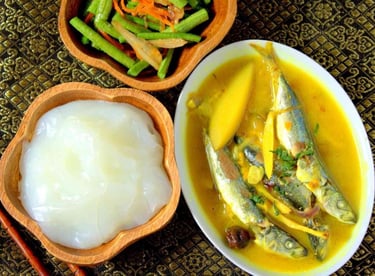
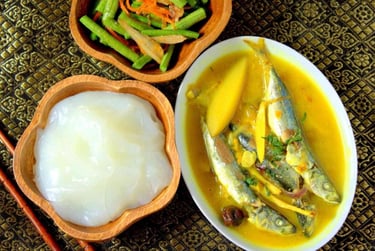
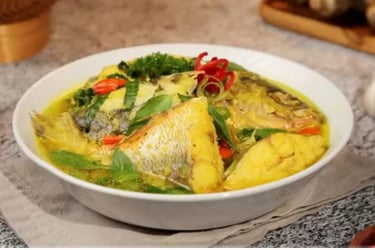
Papeda: The staple food of Eastern Indonesia. It is a glue-like porridge made from sago starch. It has a neutral taste and is swallowed (not chewed) alongside savory fish soup.
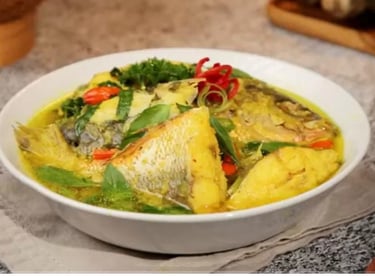
Ikan Kuah Kuning: The perfect partner for Papeda. It is a fresh fish soup (often tuna or red snapper) cooked in a thin, watery broth seasoned heavily with turmeric, lime, and basil.
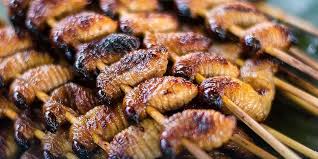
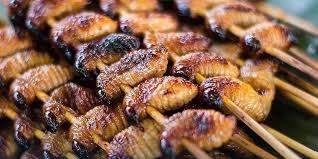
Ulat Sagu (Sago Grubs): A traditional source of protein. These large, fatty larvae harvested from decaying sago palms are often grilled on skewers or eaten alive. They taste creamy and savory.
Kue Lontar: A legacy of Dutch colonization. This is a sweet milk pie (similar to Pie Susu but thicker) made with eggs and condensed milk, baked in a porcelain dish. It is a favorite dessert for special occasions.


🗺️Famous Tourist Attractions
Southwest Papua is home to what many consider the most beautiful islands on Earth.
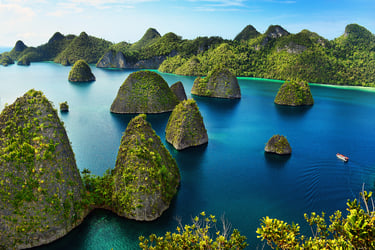
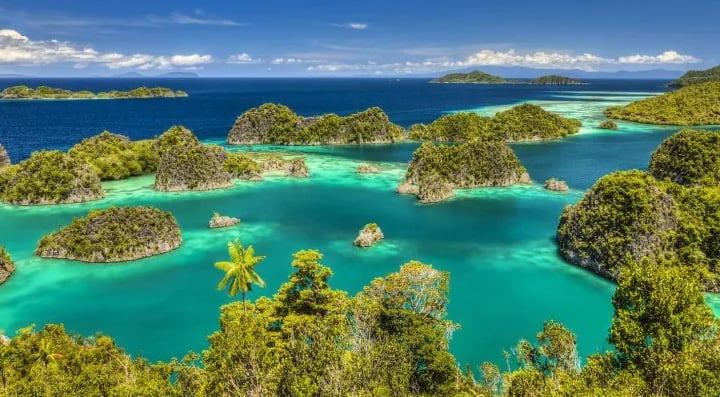
Raja Ampat (The Crown Jewel): The world’s epicenter of marine biodiversity. Famous spots include Piaynemo (iconic karst viewpoints) and Wayag (conical karst islands in a turquoise lagoon). Divers flock here for the pristine coral reefs.
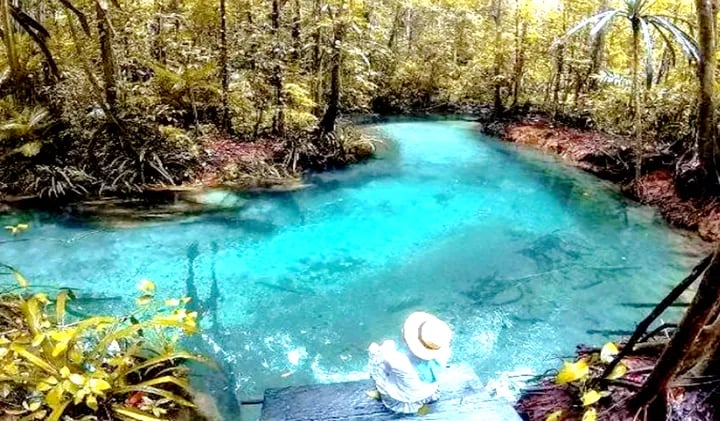
Kali Biru (Blue River): Located in the deep forests of Waigeo Island, this river features naturally crystal-clear, freezing cold blue water, surrounded by lush jungle.
Tambrauw Regency: Known as the "Conservation Regency," it is a paradise for birdwatchers seeking the Bird of Paradise and features rugged, untouched scenery like vast savannahs and turtle nesting beaches.
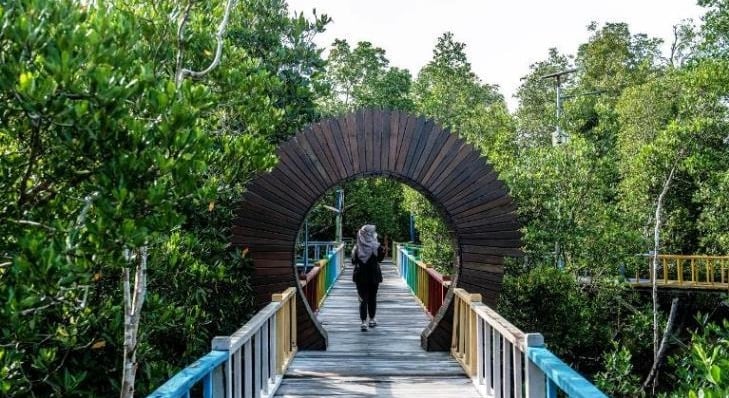
Sorong Mangrove Park: An accessible eco-tourism spot within Sorong City, offering boardwalks through dense mangrove forests.

✈️Transportation Infrastructure
Sorong serves as the logistical hub for the entire Bird's Head region.
Airport (Bandar Udara):
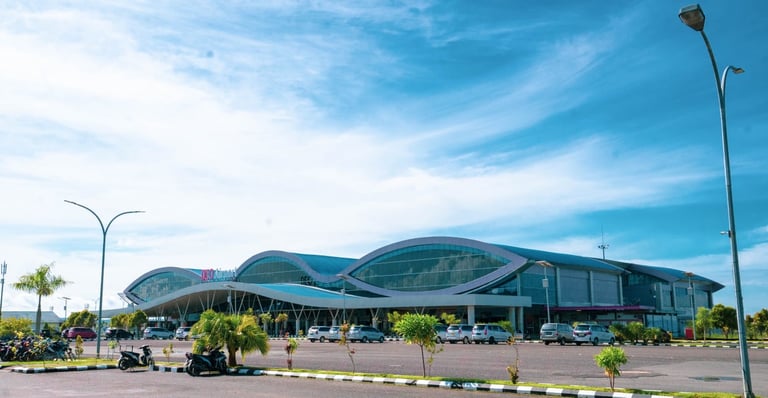
Domine Eduard Osok Airport (SOQ): Located in Sorong. It is the largest and busiest airport in the province, serving flights from Jakarta, Makassar, and Manado.
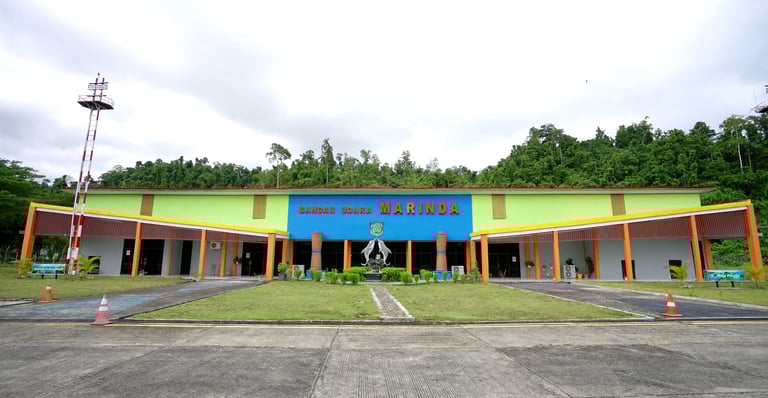
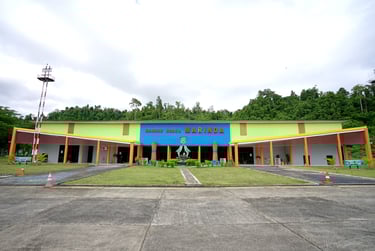
Marinda Airport (RJM): Located in Waisai (Raja Ampat), serving small feeder flights from Sorong.
Port (Pelabuhan):
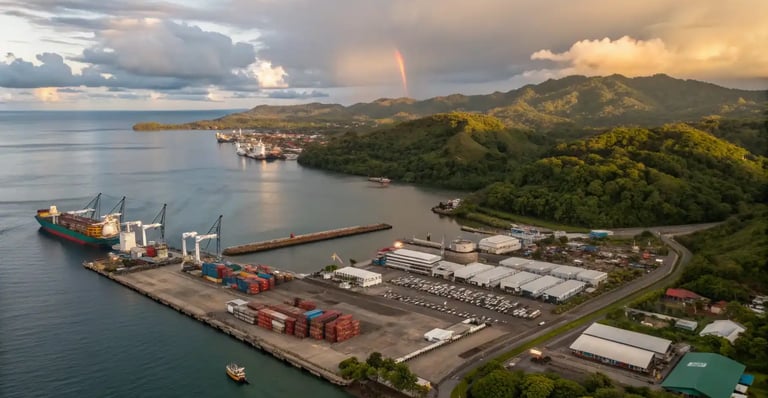
Port of Sorong: A major deep-sea port that accommodates large Pelni passenger ships and cargo vessels. It is the main entry point for supplies into the region.
Marina Express Port: The hub for public fast ferries connecting Sorong to Waisai (Raja Ampat).
Railroad (Stasiun Kereta Api):
Southwest Papua does not have a railway network. Transport is conducted by sea (ferries/boats) and air, with short-distance travel by road within cities.

Southwest Papua is the final frontier of luxury and wilderness. It is a province where the smoke of industrial Sorong fades into the breathtaking, pristine turquoise of Raja Ampat. Whether you are marveling at the mating dance of the Bird of Paradise in Tambrauw or swimming with manta rays in Misool, this new province offers an experience that is ancient, raw, and spectacularly beautiful. It is truly Indonesia's gateway to the world's underwater Eden.
Follow us to explore Indonesia with expert travel guidance
©PT.Sinar Pesona Travelindo 2025. All rights reserved.